Project Name:

Just Transition Röhrigschacht: Teaching mine & knowledge center – exemplary, sustainable, innovative transformation

You are currently viewing a placeholder content from Google Maps. To access the actual content, click the button below. Please note that doing so will share data with third-party providers.

More Information
Project details:
Project Partners:
1. Stadt Sangerhausen
2. Verein Mansfelder Bergarbeiter Sangerhausen e. V.
Project Type:
Conversion/transformation of an industrial site into a teaching and knowledge center
Size of property:
Project Duration: 2025 – 2027
Contact:
Stadt Sangerhausen
Markt 7a
06526
Sangerhausen
Verein Mansfelder Bergarbeiter Sangerhausen e.V.
Friedrich-Engels-Straße 58
06526
Sangerhausen
e-mail:
kathrin.wagner@stadt.sangerhausen.de
verein-MBS-SGH@web.de

Project Description

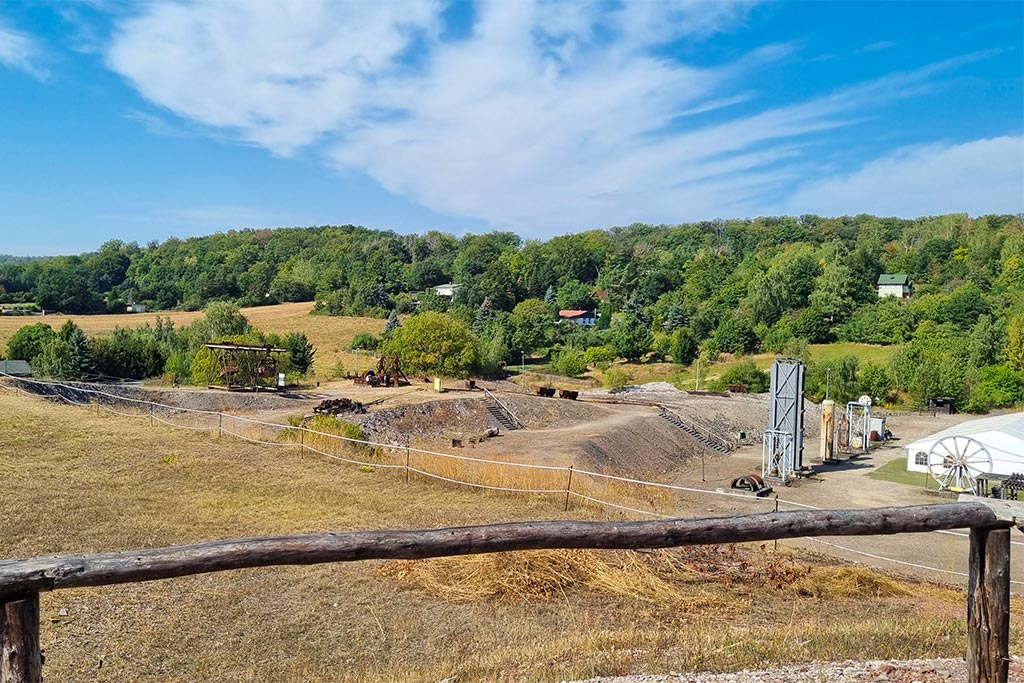
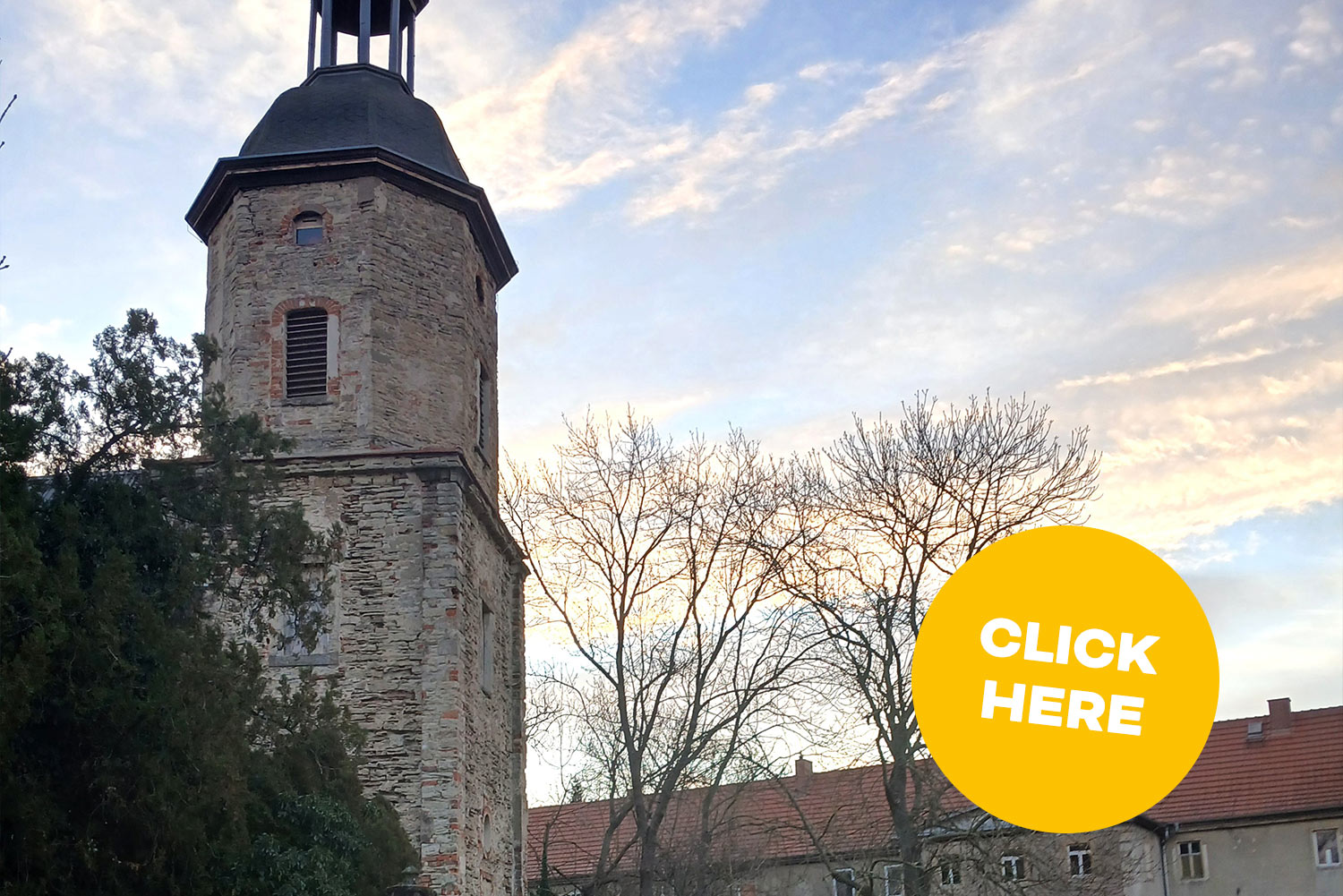
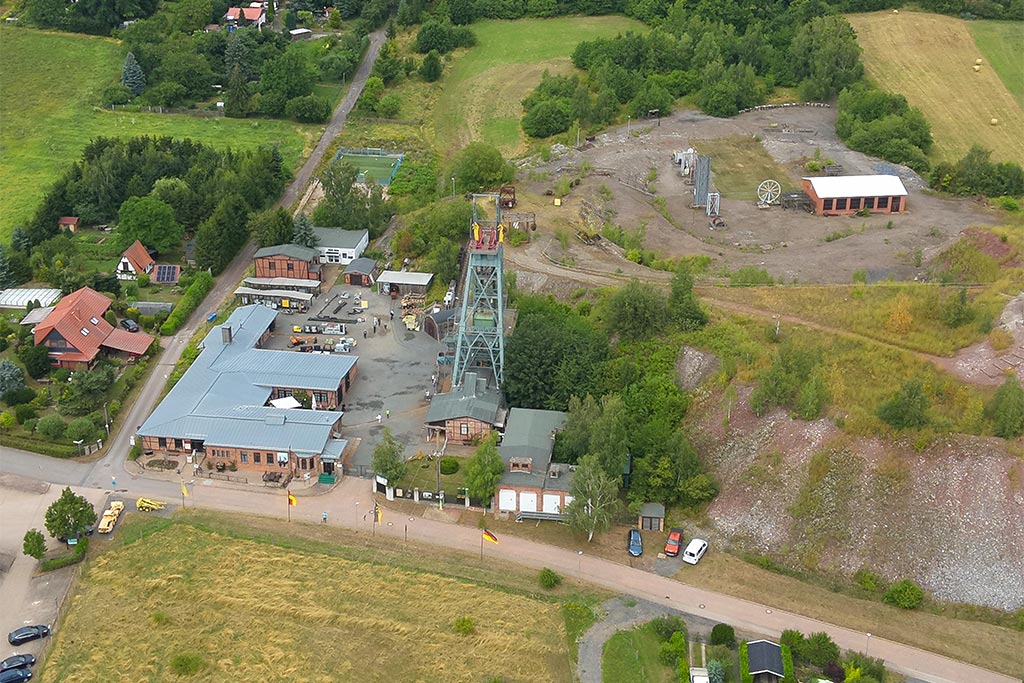
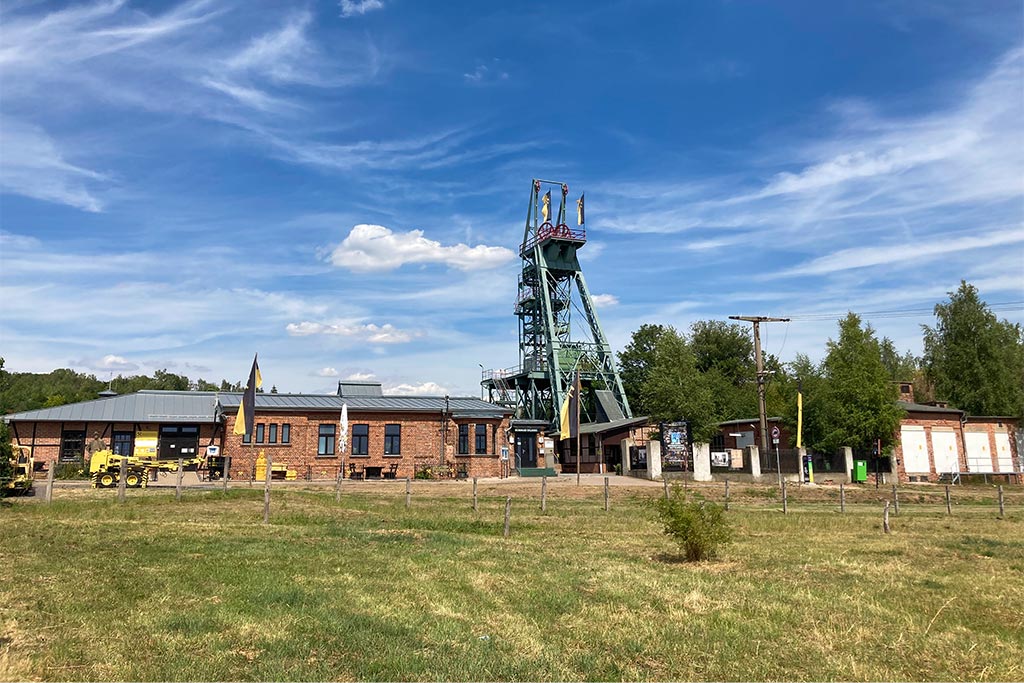
Since 1987, the Röhrigschacht Wettelrode Mining Experience Center, then exclusively an above-ground mining museum, has been providing information about the formation of deposits, geology, and mineralogy, as well as the 850-year history of copper slate mining. The museum is open all year round, regardless of weather and season, and is very popular with a wide range of people of all ages, including locals, experts, day tourists, hikers, and cyclists, thanks to its highly experiential underground orientation. As part of the VEB Mansfeld Kombinat “Wilhelm Pieck,” the Röhrigschacht served as a ventilation shaft for the Thomas-Münzer-Schacht and is now an important part of the culture of remembrance and a tangible symbol of industrial heritage and mining tradition in the Mansfeld-Südharz district. In the spirit of holistic development, the Röhrigschacht is to be given a broader significance for the future, based on its mining roots. The Just Transition Röhrigschacht project aims to fundamentally develop this site from a classic mining museum into an educational mine and knowledge center that combines education, research, participation, and sustainable transformation.

Project Goals

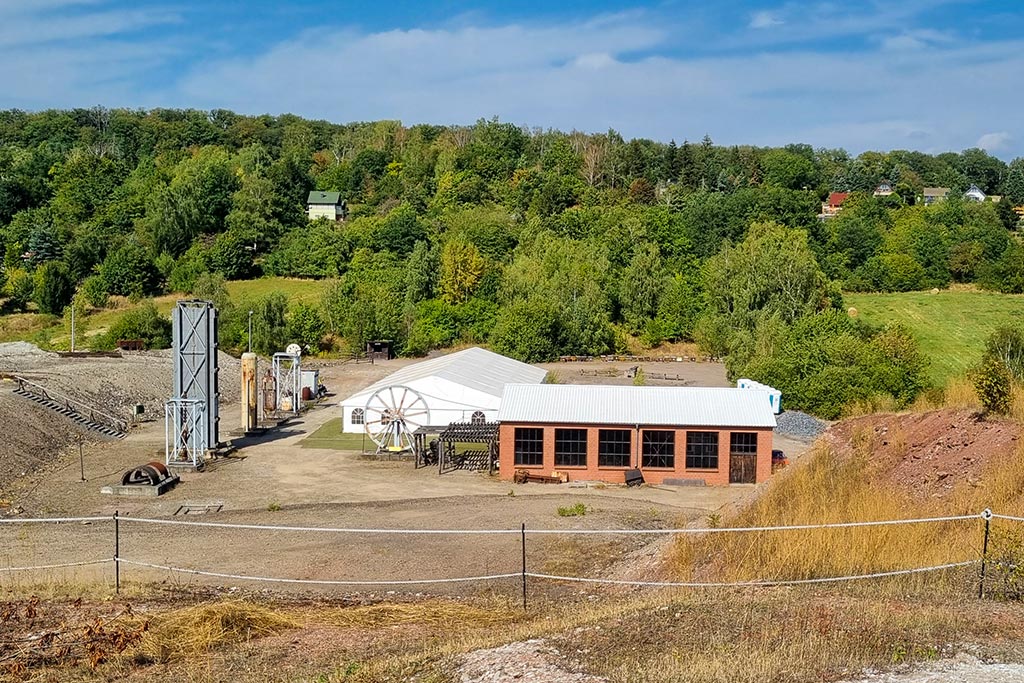
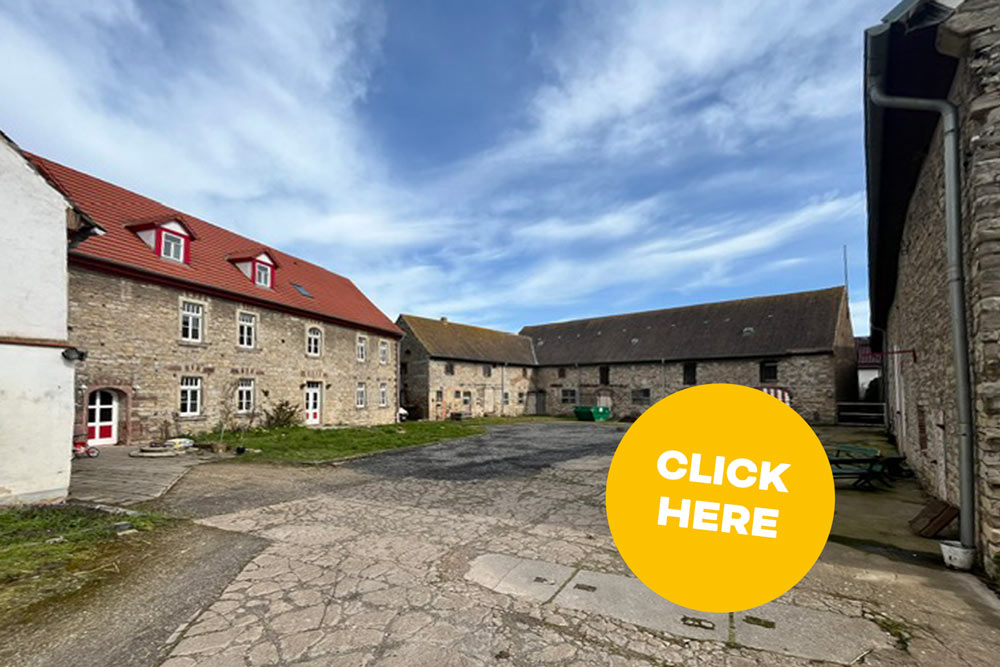
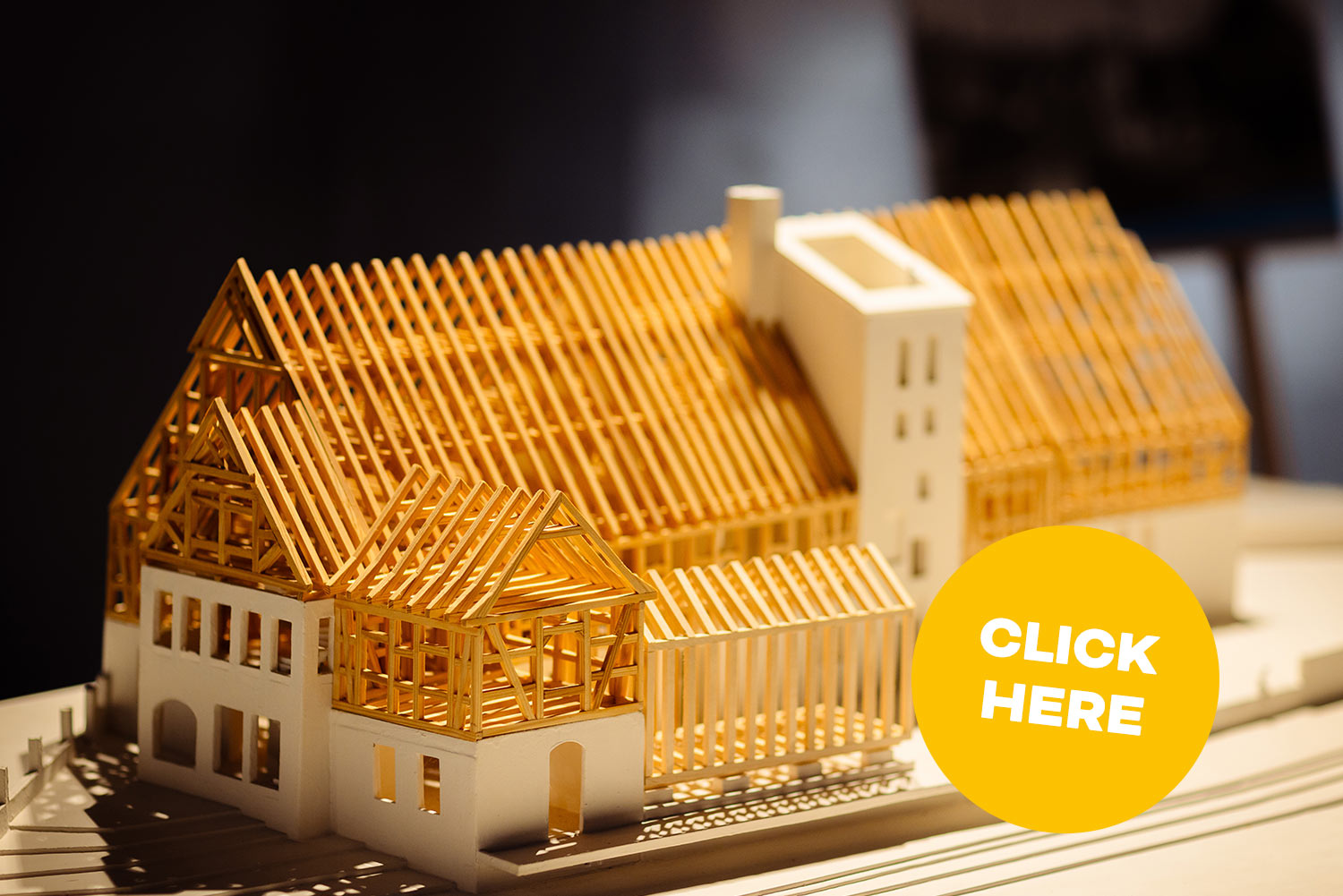
The project aims to permanently preserve the Röhrigschacht as an important piece of industrial heritage while also transforming it into a contemporary knowledge and learning center. The goal is to create a place where research, education, and social participation come together on an equal footing. The public should not only visit the Röhrigschacht as a place of remembrance, but also experience it as a place of active participation. The machine hall on the slag heap will be fundamentally upgraded in line with current standards for energy sustainability, using local resources and local expertise, in order to equip it as an accessible, attractive, and comfortable seminar room (in terms of materials, light, air, and noise) suitable for various forms of education, with furniture and technical equipment, so that the hall can be used all year round for knowledge transfer, research, and teaching. In order to make access barrier-free and knowledge-oriented, a tunnel with the characteristics of an underground route will be created, giving visitors an authentic feel for the underground atmosphere. The aim is to prioritize renewable energy solutions in order to reduce greenhouse gas emissions. To reduce the ecological footprint, the necessary resources are to be generated and used locally. The slag heap is to be used in an aesthetically pleasing way to generate electricity through a PV system and as a water reservoir. This will make the Röhrigschacht an exemplary location for sustainable transformation and a prototype whose experiences and methods can also be used for other industrial and mining regions.

Project impressions

Criteria according to the NEB_Compass

Ambition II – connect

The redevelopment of the Röhrigschacht combines the preservation of a unique industrial heritage with the creation of new aesthetic and cultural qualities. Buildings such as the machine hall and the conveyor systems will retain their historical substance, but will be sensitively converted into modern educational and learning spaces. The result is a building culture that not only preserves history, but also develops it productively. The design quality of the conversion is crucial here: the choice of materials, lighting, acoustics, and spatial dramaturgy keep the industrial character of the place palpable while opening up new dimensions of knowledge transfer. Visitors experience this cultural and historical site with all their senses, while new sustainable materials, resource-saving reuse, and barrier-free access enhance the quality of their stay. By interweaving preservation and innovation, spaces are created that transcend their function as aesthetic and cultural reference points for the region and beyond.
Ambition I – to repurpose

The project involves developing ideas and measures to further develop the site in a climate-neutral manner at a higher level, while investigating how industrial infrastructures can be modernized in terms of energy efficiency, upgraded ecologically, and returned to cycles. The machine hall on the slag heap site is to be repaired in an exemplary and fundamental manner in accordance with current standards and using local resources and local expertise. Flexibility for later conversion and further use (construction/operation) is being taken into account. In line with the theme of waste transformation, priority is being given to renewable energy solutions on the slag heap in order to reduce greenhouse gas emissions and minimize the use of resources. To reduce the ecological footprint, the necessary resources will be generated and used on site: for example, the slag heap will be used in an aesthetically pleasing way to generate electricity through a PV system and will also serve as a water reservoir to supply the buildings on site. The methodology and results for climate neutrality can be transferred to other slag heaps. The reuse of the flat slag heap will also lead to a paradigm shift in terms of media use at the Röhrigschacht. The innovative measure to create barrier-free access to the slag heap area through the flat slag heap and the parallel alignment requires a transdisciplinary approach based on the expertise of all project stakeholders.
Ambition II – consolidate

Inclusion through appreciation of diversity and equality in the spirit of togetherness is to be ensured by guaranteeing accessibility to all locations on the grounds of the Röhrigschacht Mining Experience Center. In order to make access to the slag heap area barrier-free and knowledge-oriented, a tunnel with the characteristics of an underground route is being constructed, which will give visitors an authentic feel for the atmosphere underground and is accessible to all. In order to make the Röhrigschacht knowledge center collectively accessible to multiple levels of civil society and to create a sense of belonging, visitors will be addressed in such a way that interactive activities, encounters, and discoveries are possible without barriers. With regard to the implementation of the project, particular emphasis will be placed on accessibility in terms of knowledge transfer, including simple language, audio guides, and translation into English. The involvement of educational institutions with a focus on special needs can support the implementation of the latter objectives. The exhibition on mining and forestry (economic sustainability) planned for the machine hall will also be designed with inclusion in mind, i.e., ground-level access and the conception of an educational program that includes not only specialist information but also low-threshold elements of knowledge transfer.
Ambition III – to self-govern

The Mansfeld Miners' Association has been voluntarily managing the Röhrigschacht site for decades and acts as a self-governing partner in the development and implementation of the project. The project also pursues a broad-based participation process that has been geared toward co-creation from the outset. The city of Sangerhausen and the Mansfeld Miners' Association provide the institutional framework within which a large number of stakeholders can actively participate. Schools, universities, and research institutions are working together with other associations, citizen groups, and civil society to develop new ideas for the use of the Röhrigschacht. In addition, institutions from the fields of nature and the environment as well as regional cultural and museum networks are involved, contributing their expertise to the development of exhibitions, learning modules, and event formats. This diversity of participants enables a dialogue in which specialist and everyday knowledge stand side by side on an equal footing and are intertwined to form viable solutions. The population is not viewed merely as visitors, but actively influences the content, programs, and future direction of the site. In this way, the Röhrigschacht becomes a place where transformation is not only discussed, but where it is actually experienced and anchored through joint design steps.
Ambition II – work across levels

The project is locally anchored, as the population, schools, clubs, and miners' association in Sangerhausen and Wettelrode are directly involved, creating a strong sense of identification with the location. At the same time, the Röhrigschacht is supported regionally by the involvement of authorities, universities, museums, environmental organizations, and professional associations, which contribute scientific support and expertise to the development. Finally, networks (e.g., ERIH) and associations also create supraregional connections, which make it possible to share experiences and results beyond the location. The combination of municipal responsibility through the city, civil society involvement through the miners' association, and professional support from scientific and cultural institutions shows how transformation can intertwine on several levels.
Ambition III – beyond disciplinary

The aim is to bring together expertise from different fields and different levels of competence in order to generate solutions that contribute to the success of the project through the application of methods and best practice experience. Multidisciplinary cooperation between scientific experts, practical users, and civil society at large, with a wide range of educational backgrounds and skills, has already been initiated and coordinated as part of the network formation process. During implementation, emphasis is placed on collective problem solving and interdisciplinary idea generation. This atmosphere of professional exchange will bring the partners, i.e., the consortium partners, network partners, and civil society stakeholders involved in the process, closer together and thus systematically reduce distances. The multifaceted cooperation between different actors at the local, regional, and subnational levels (vertical and horizontal) brings together people from the social, cultural, political, and scientific spheres to achieve a paradigm shift in the sustainable, efficient reinvention of places to improve social life and coexistence. The knowledge center combines the teaching mine approach with educational formats in the fields of geology, biology, and STEM subjects, as well as cultural and historical continuing education opportunities.
NEB-Kompass Röhrigschacht
This is how it works:
NEB-Compass (PDF)

Durchführung

Verwendete Tools mit Darstellungen des Arbeitsprozesses

Weitere Projekte