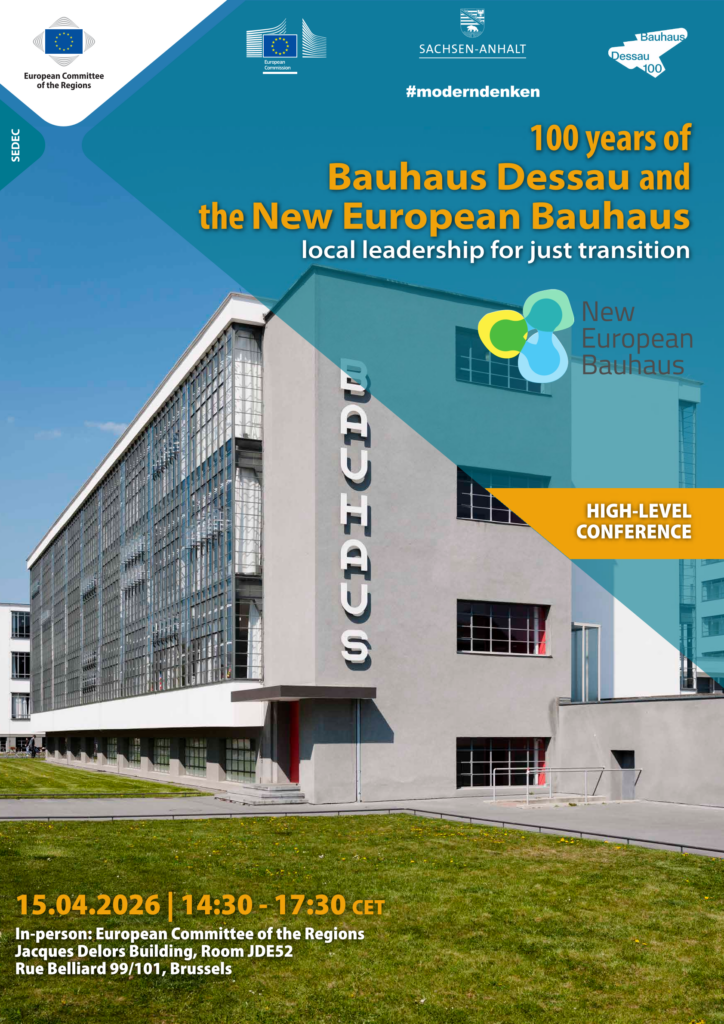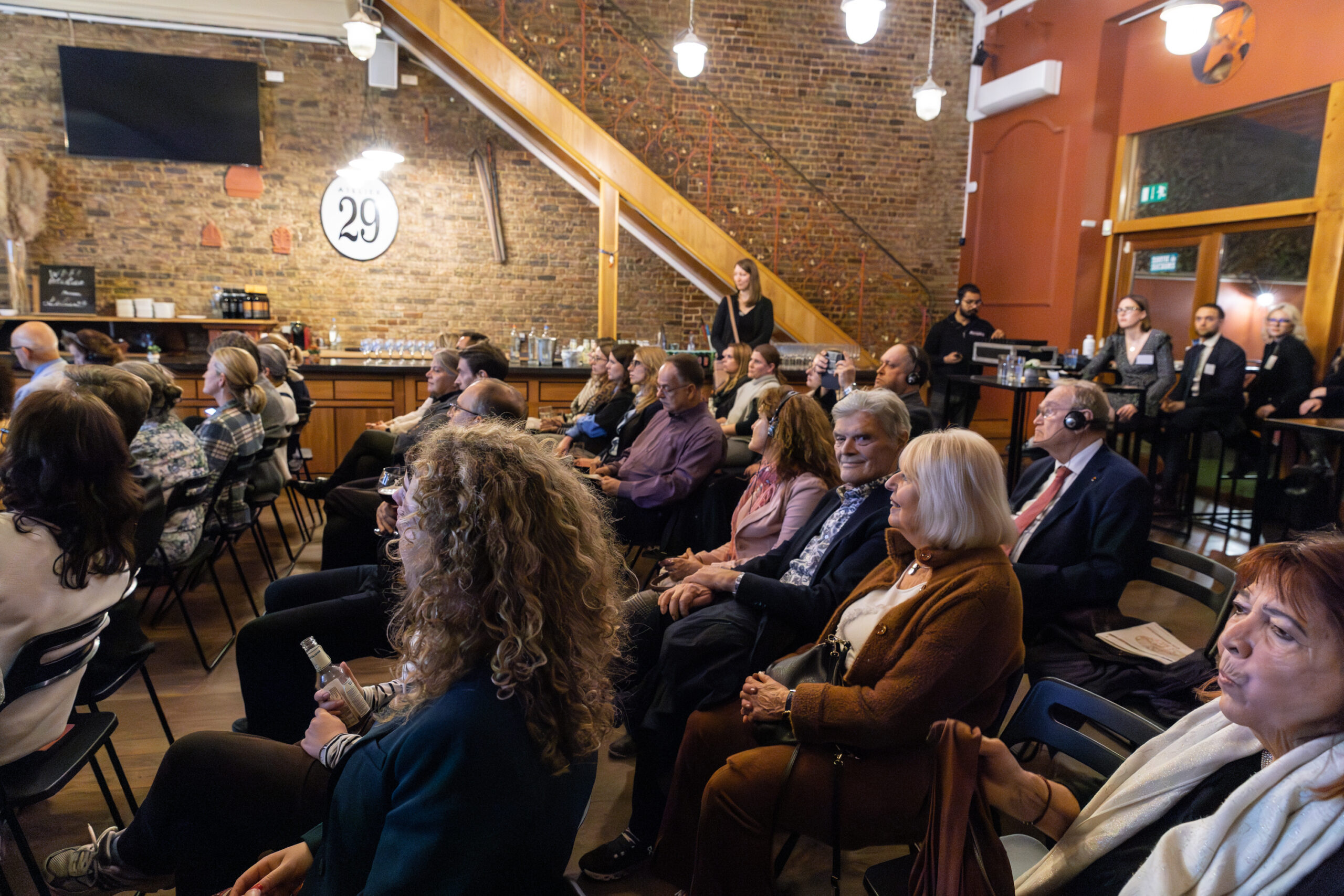
An evening of connections in Brussels! On November 4, around 90 guests accepted the invitation from the State Representation of Saxony-Anhalt to the EU to attend an evening event that brought together Saxony-Anhalt's UNESCO World Heritage sites, the historic Bauhaus Dessau, and the New European Bauhaus. Under the title “UNESCO World Heritage Sites in Saxony-Anhalt – 100 Years of the Bauhaus Dessau and the New European Bauhaus,” it became clear how tradition, the present, and the future intertwine and enrich each other.
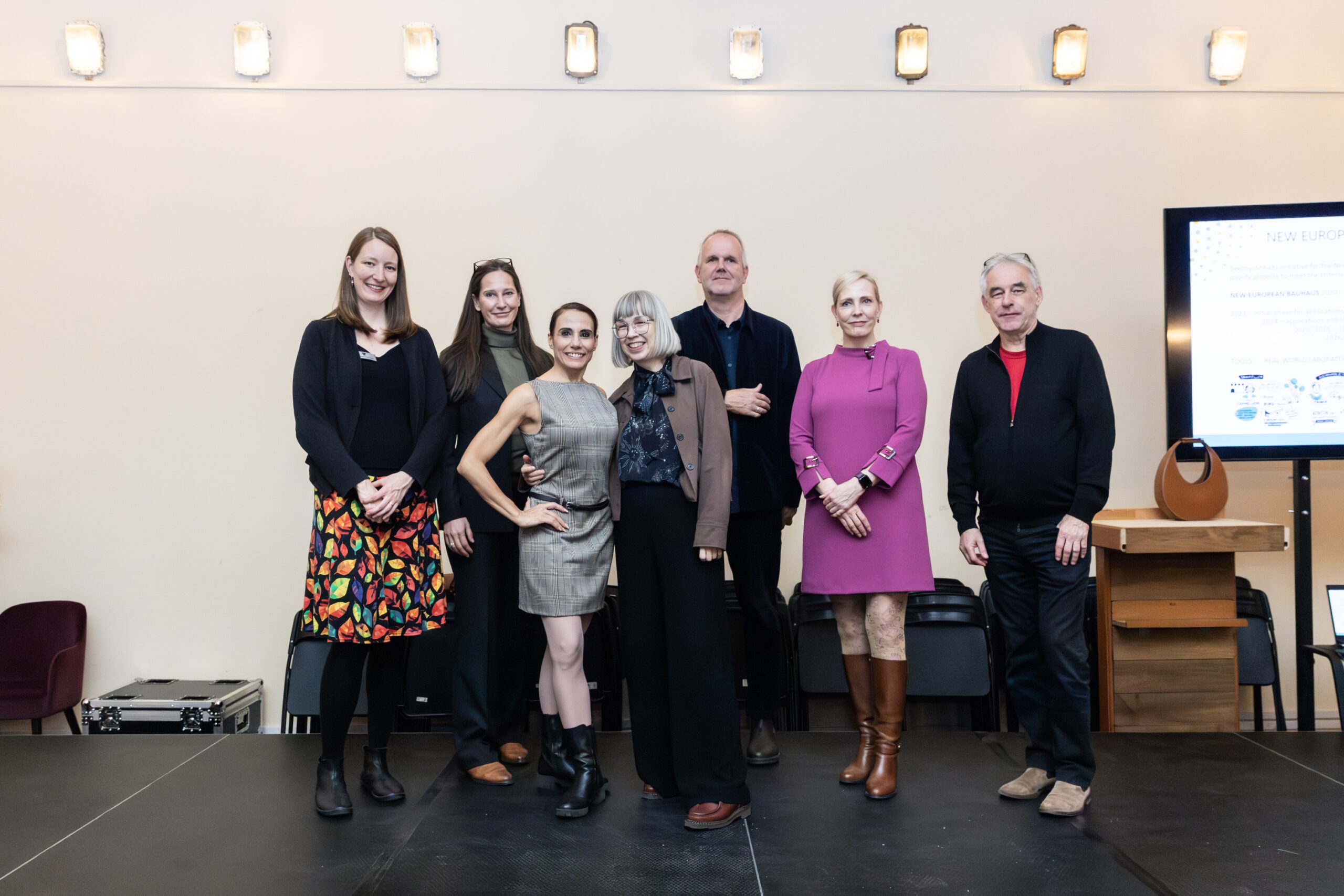
Katrin Kanus-Sieber, head of the NEB_NETZWERKBÜRO Saxony-Anhalt, moderated the program, opening up a space for discussion about continuities, developments, and new perspectives between the historic Bauhaus and the NEB. The introductory remarks by Carmen Johannsen (Saxony-Anhalt State Representation to the EU) were followed by a presentation by Dr. Barbara Steiner (Bauhaus Dessau Foundation). The focus was on the materials, ideas, and values of the Bauhaus, as well as a look ahead to the anniversary year “An die Substanz. Bauhaus Dessau 100” (To the Substance. Bauhaus Dessau 100), which from September 2025 to the end of 2026 will shed new light on the Bauhaus in terms of its material and intellectual foundations.
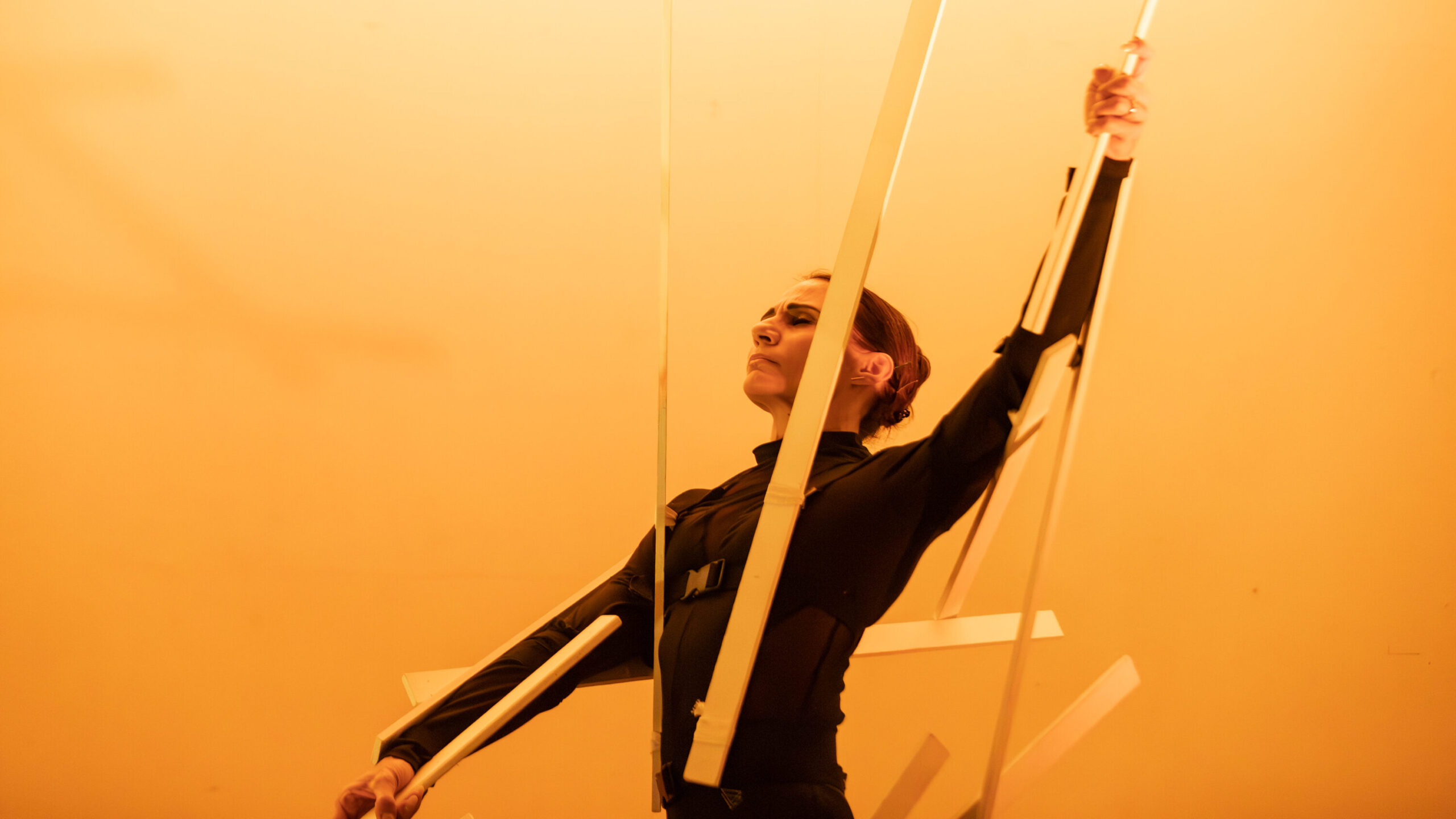
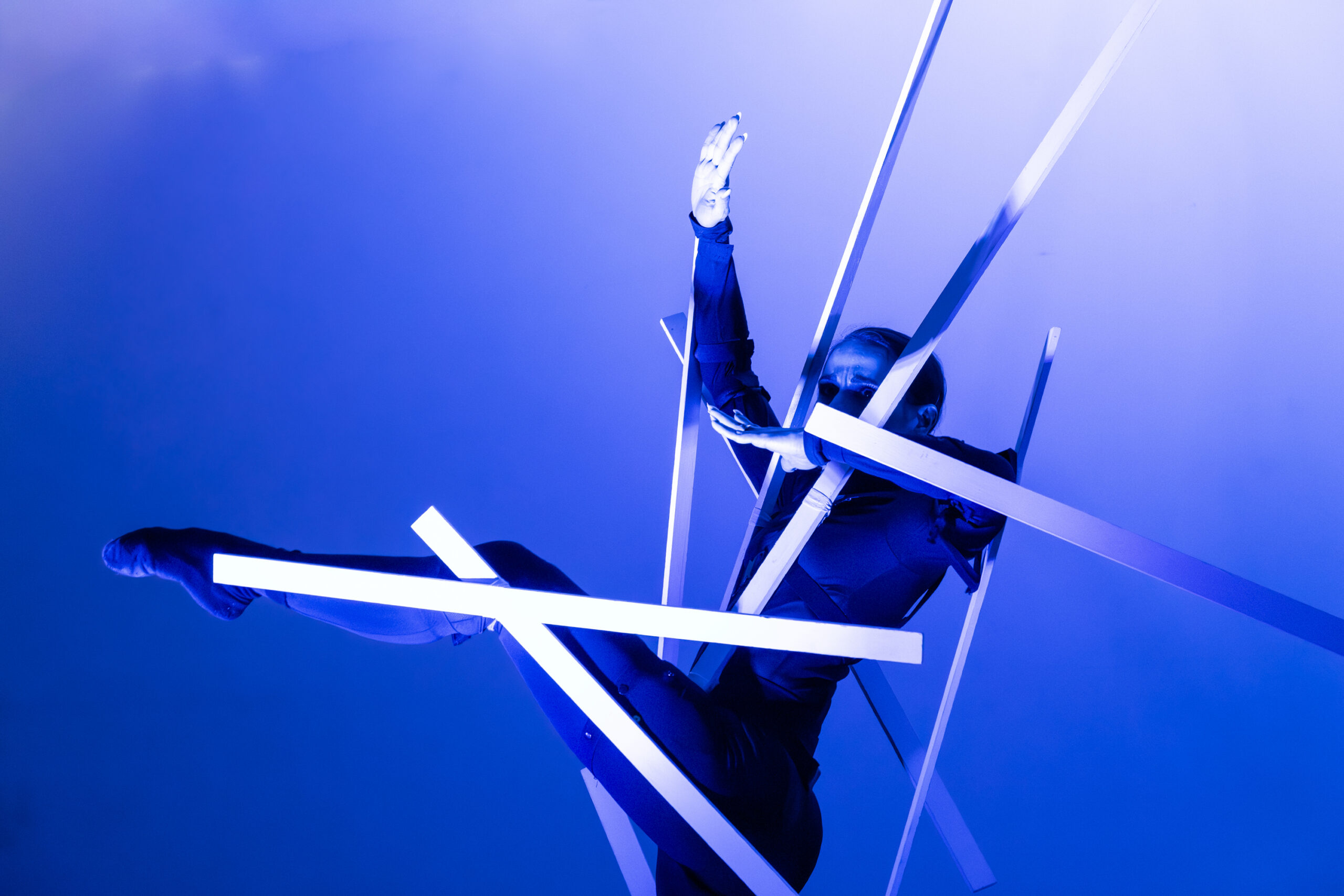
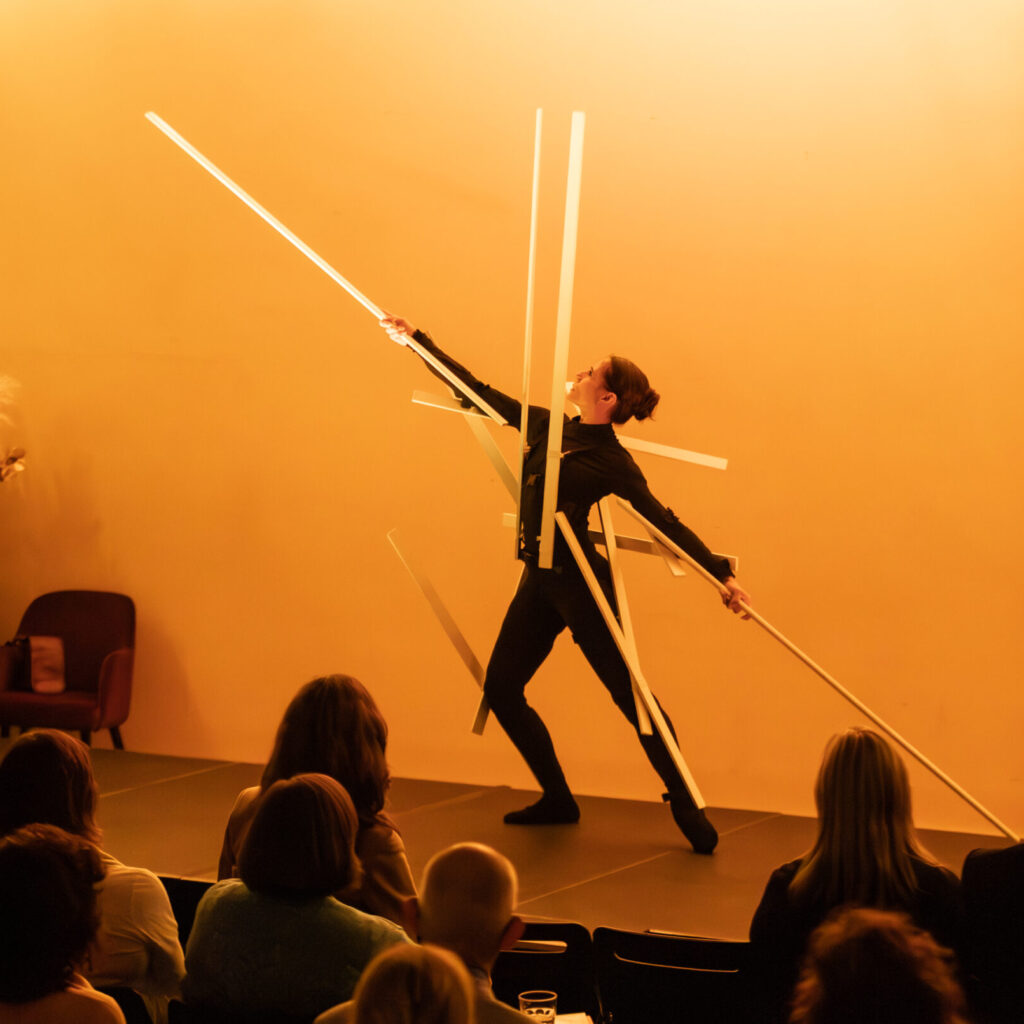
The dance performance by Celia Millán, which reinterpreted Oskar Schlemmer's Stäbetanz (Bar Dance) from 1928, added an artistic touch. The evening thus took the audience back not only historically but also aesthetically to a central legacy of the Bauhaus.
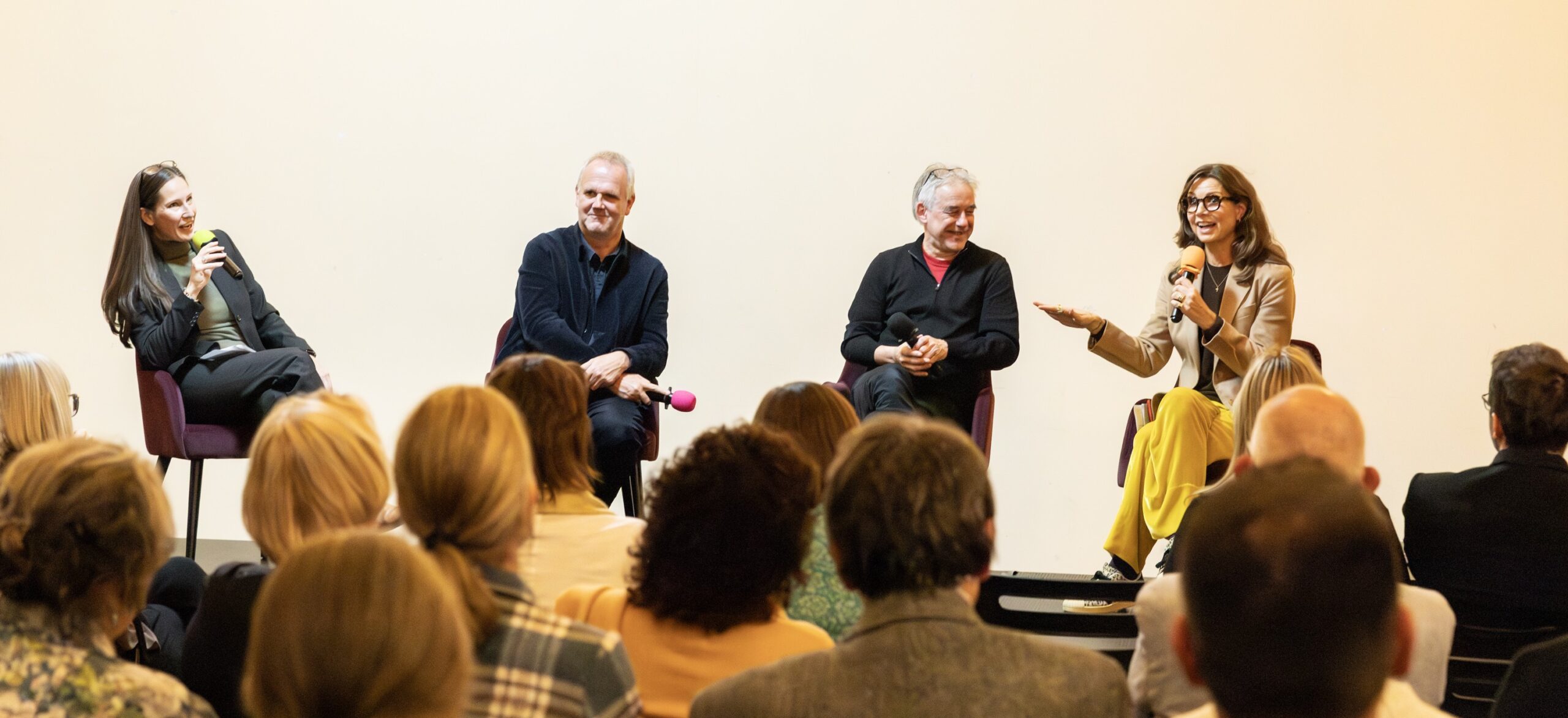
In the panel discussion with Pernille Weiss-Ehler (European Commission), Dr. Werner Möller (Bauhaus Dessau Foundation), and Thies Schröder (Forum Rathenau e. V.)—both partners in the NEB_PROJECT Reallabor ZEKIWA Zeitz—focused on questions of perpetuating the New European Bauhaus. The discussion focused on ways to anchor its values locally in the long term and the important role that regional networks play in this process.
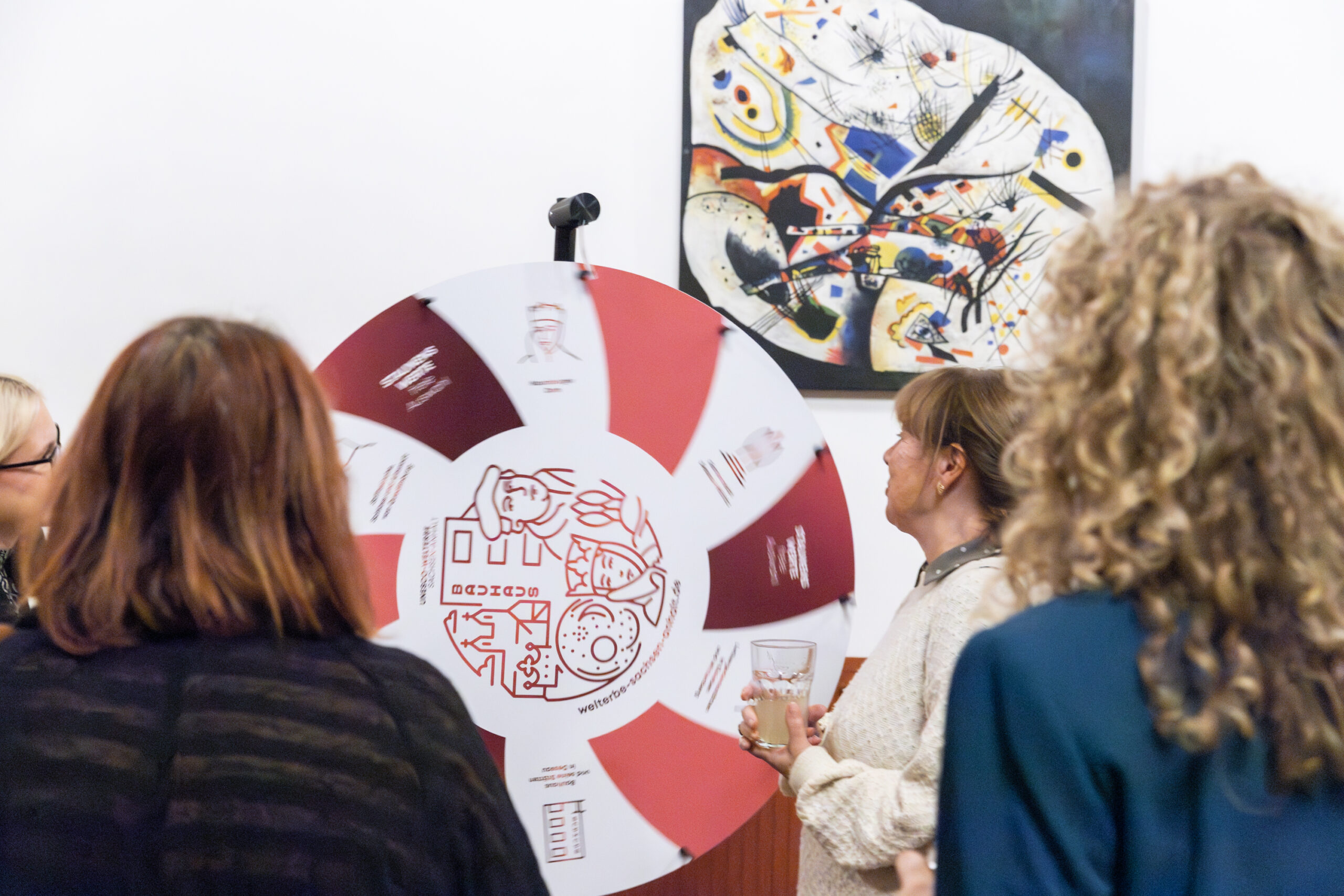
The reception that followed provided an opportunity for in-depth discussions. The UNESCO World Heritage Wheel of Fortune provided a playful approach to the topic and proved very popular. Exciting prizes were up for grabs, all of which were related to the World Heritage sites in Saxony-Anhalt and allowed visitors to experience the cultural and historical spectrum of the state in a special way.
The evening impressively demonstrated how effectively bridges can be built between the historical and the new European Bauhaus—even though the challenges today are different from those of the past, open, free thinking remains a unifying element: “Bauhaus was and is freedom of thought.”
Copyright: ©Elza Lőw