Project Name:

Zangenberg Environmental Church – designing a future-proof church, park, landscape, and supporting structure

You are currently viewing a placeholder content from Google Maps. To access the actual content, click the button below. Please note that doing so will share data with third-party providers.

More Information
Project details:
Project Partners:
1. Förderverein Kirche Zangenberg e.V.
2. Evangelische Akademie Sachsen-Anhalt e.V.
Project Type:
Expanded use/renovation in line with historic preservation guidelines/environmental education
Size of property: 14.677 qm
Project Duration: 2024 – 2027
Contact:
Förderverein Kirche Zangenberg e. V.
Leipziger Str. 9a
06711
Zeitz OT Zangenberg
Evangelische Akademie Sachsen-Anhalt e. V.
Schlossplatz 1d
06886
Wittenberg
e-mail:
info@ev-akademie-wittenberg.de

Project Description

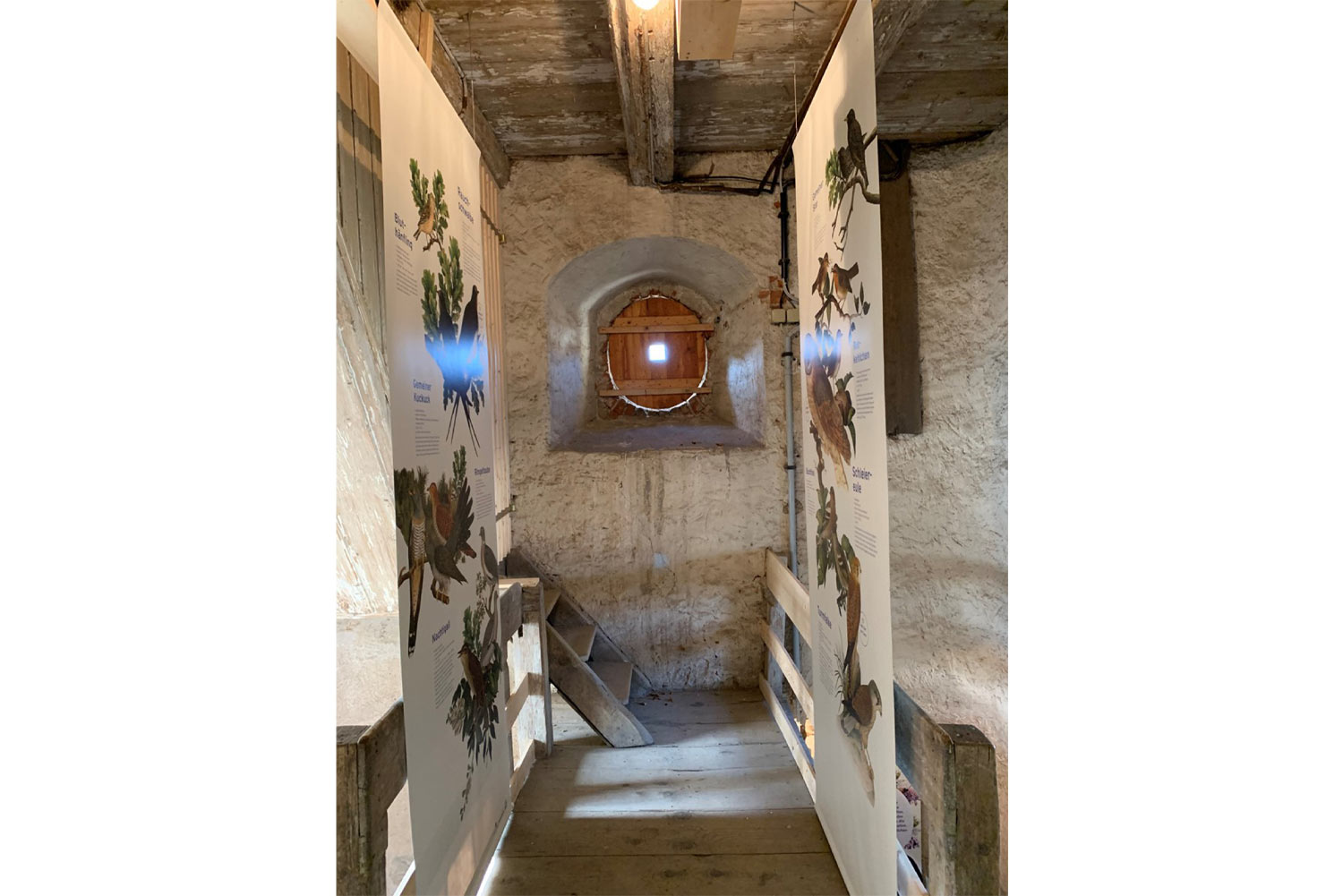
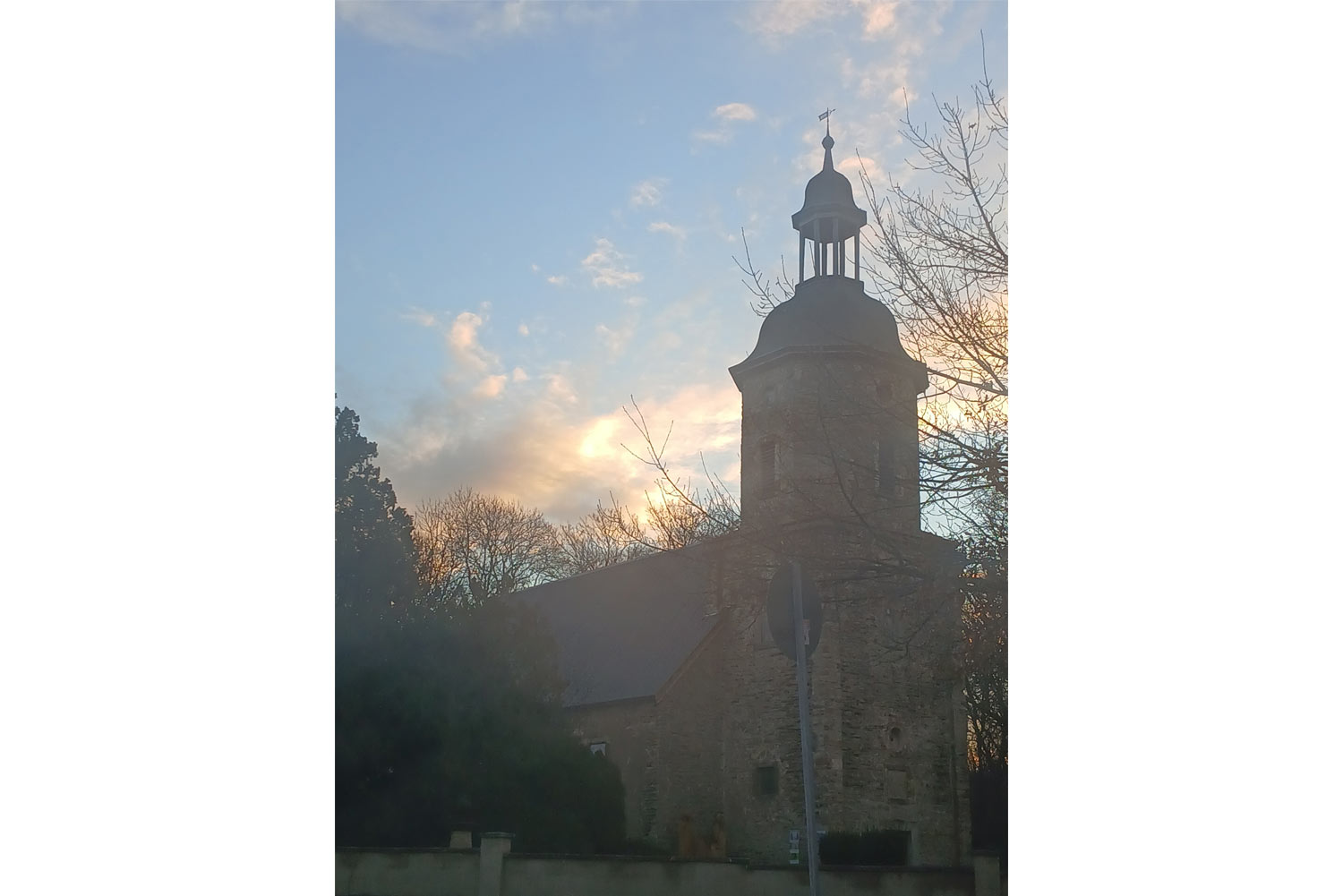
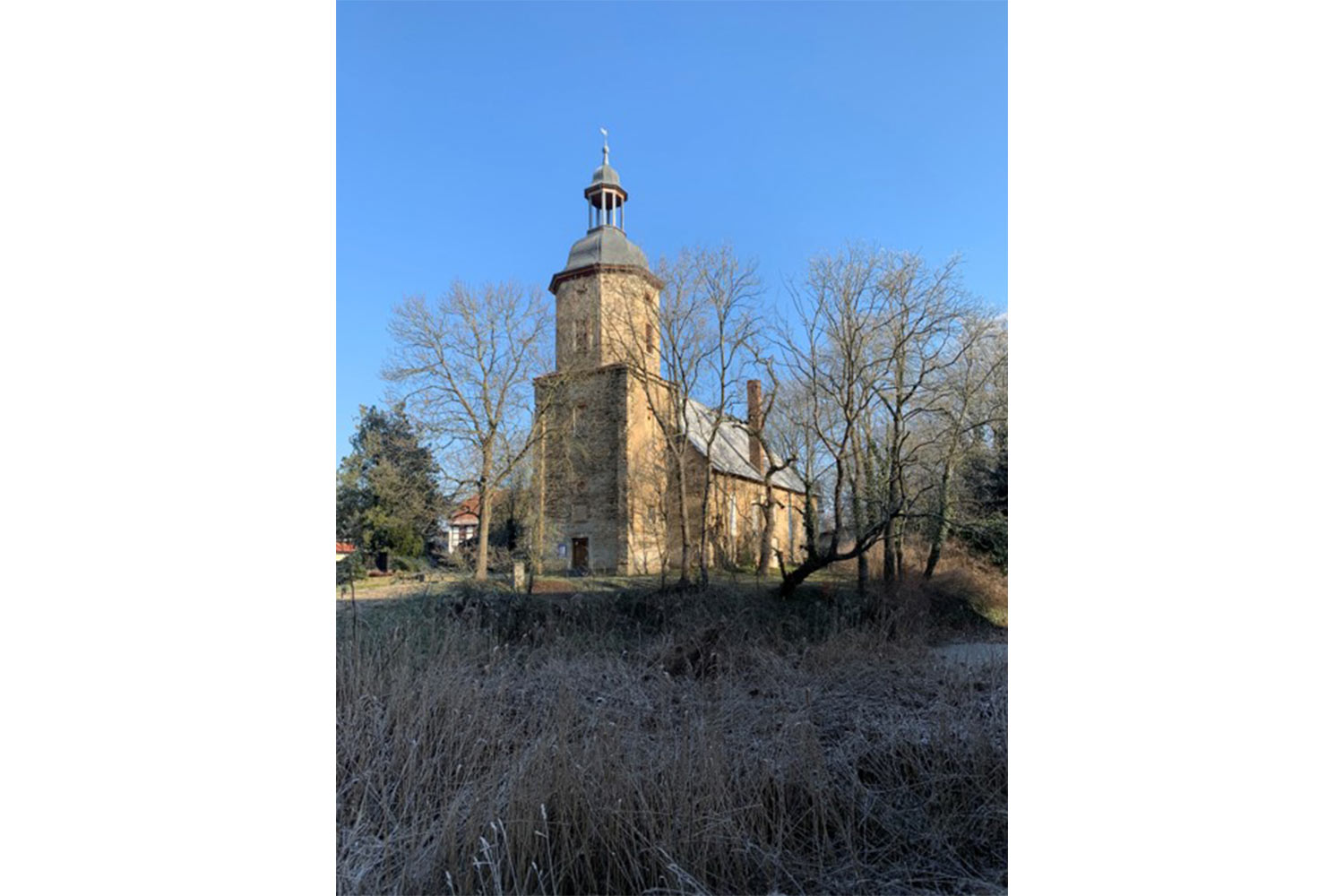
The church in Zangenberg, which is a defining feature of the townscape, is to be preserved as part of a renovation project in line with conservation guidelines and designated as an environmental church for use as a place of education and nature experience. The designation of the environmental church is intended to serve as an anchor for the surrounding natural and cultural landscape and as a starting point for community processes involving nature-oriented design, landscape conservation measures, and opportunities for experiencing nature.

Project Goals

The aim of the project is to qualify the Zangenberg Environmental Church and establish it as a social village center. The church is to serve as a place with supraregional appeal, raising awareness of environmental education issues and, through new exhibition formats, highlighting the special features of the local nature and landscape in the Elster floodplain. Through cooperation with various initiatives and organizations for nature conservation and environmental education topics, as well as nature and environmental workshops with different population groups, the supporting structure of the Förderverein Kirche Zangenberg e.V. (Friends of Zangenberg Church Association) is to be strengthened in the long term.

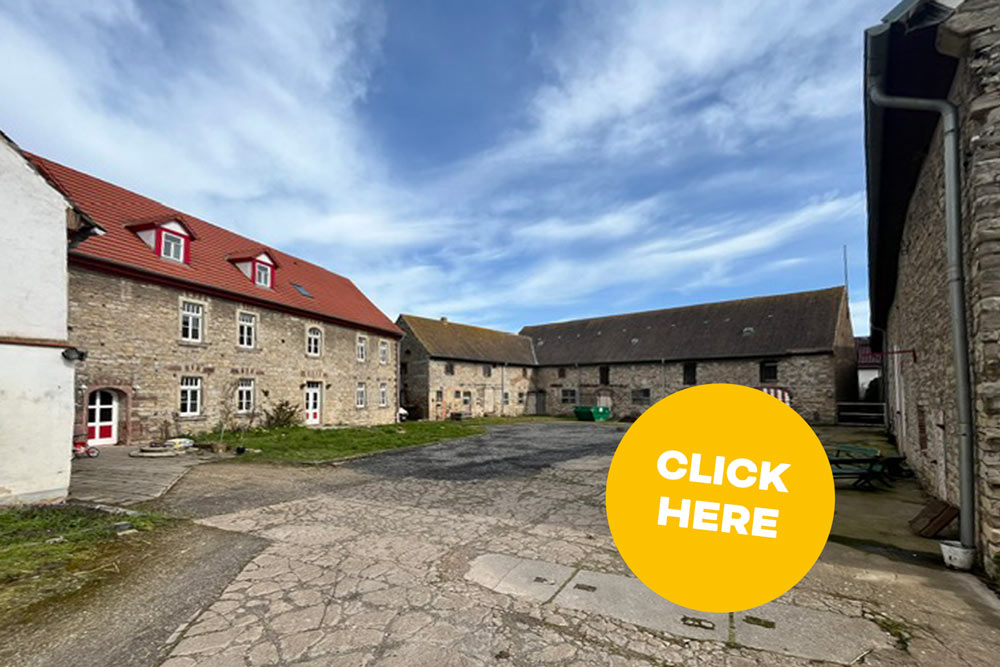
Project impressions

Criteria according to the NEB_Compass

Ambition III: integrieren
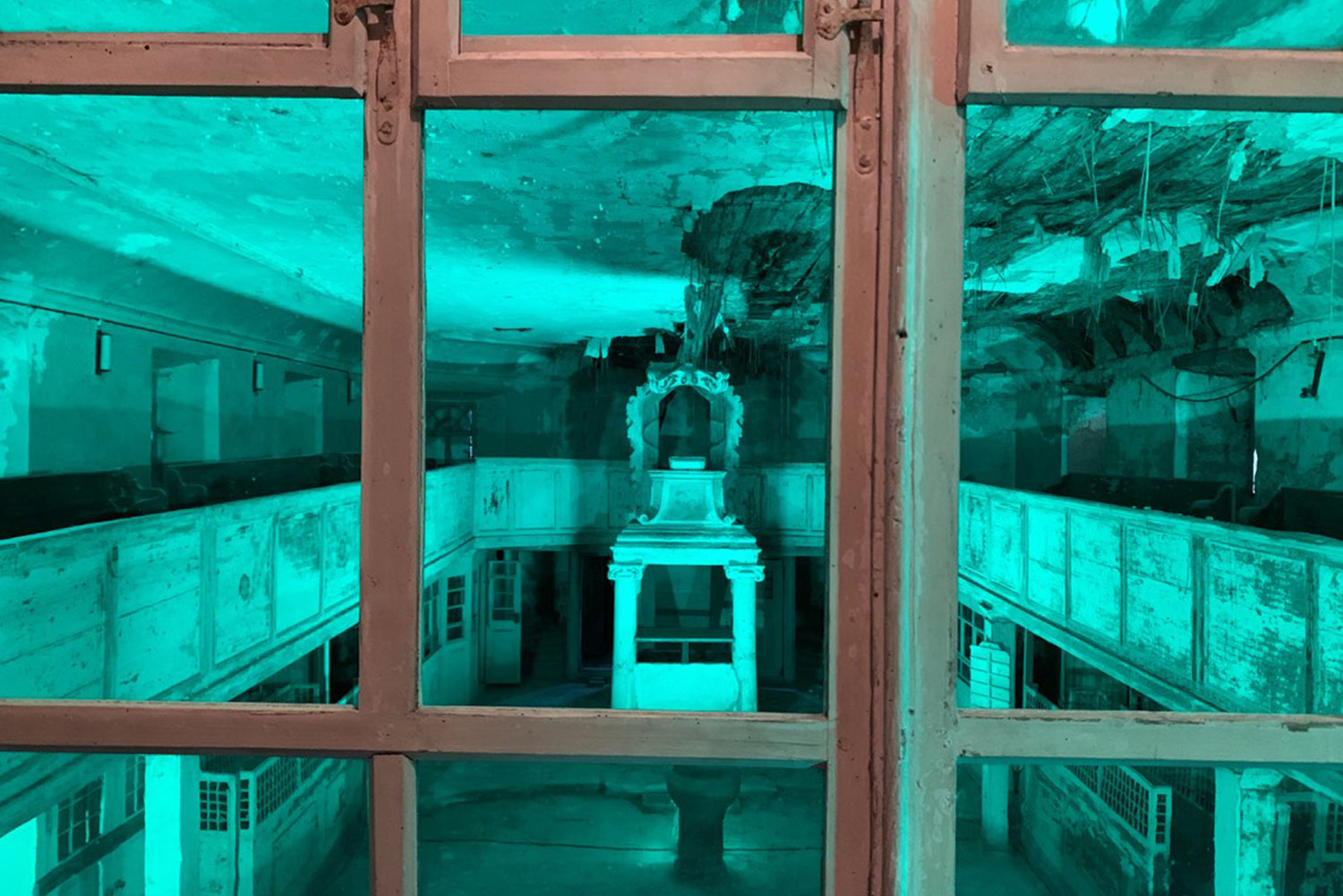
The project aims to establish the Zangenberg Environmental Church as an open educational and learning center that will serve as a meeting place for the residents of Zangenberg, cyclists, hikers, day trippers, seekers, families, nature lovers, culture enthusiasts, and school classes. The possible uses of the church are to be expanded through a model renovation based on the principle of simple construction, and the interior of the church is to be converted into a flexible space and projection surface for new exhibition formats. Minimally invasive structural measures are to be used to highlight the special qualities of the architectural monument and the history of the site. The church will be left as a cold room and, by increasing the volume of the space, will become a resonance chamber for atmospheric, acoustic, and visual sensory perception. The project relates the architecture to nature through an open and natural design. This enables a dialogue between the built and living environments for visitors. By referring to the history of bird research, the project also strengthens the local identity of the place and develops the church, park, and landscape within a collaborative process.
Ambition III: regenerieren
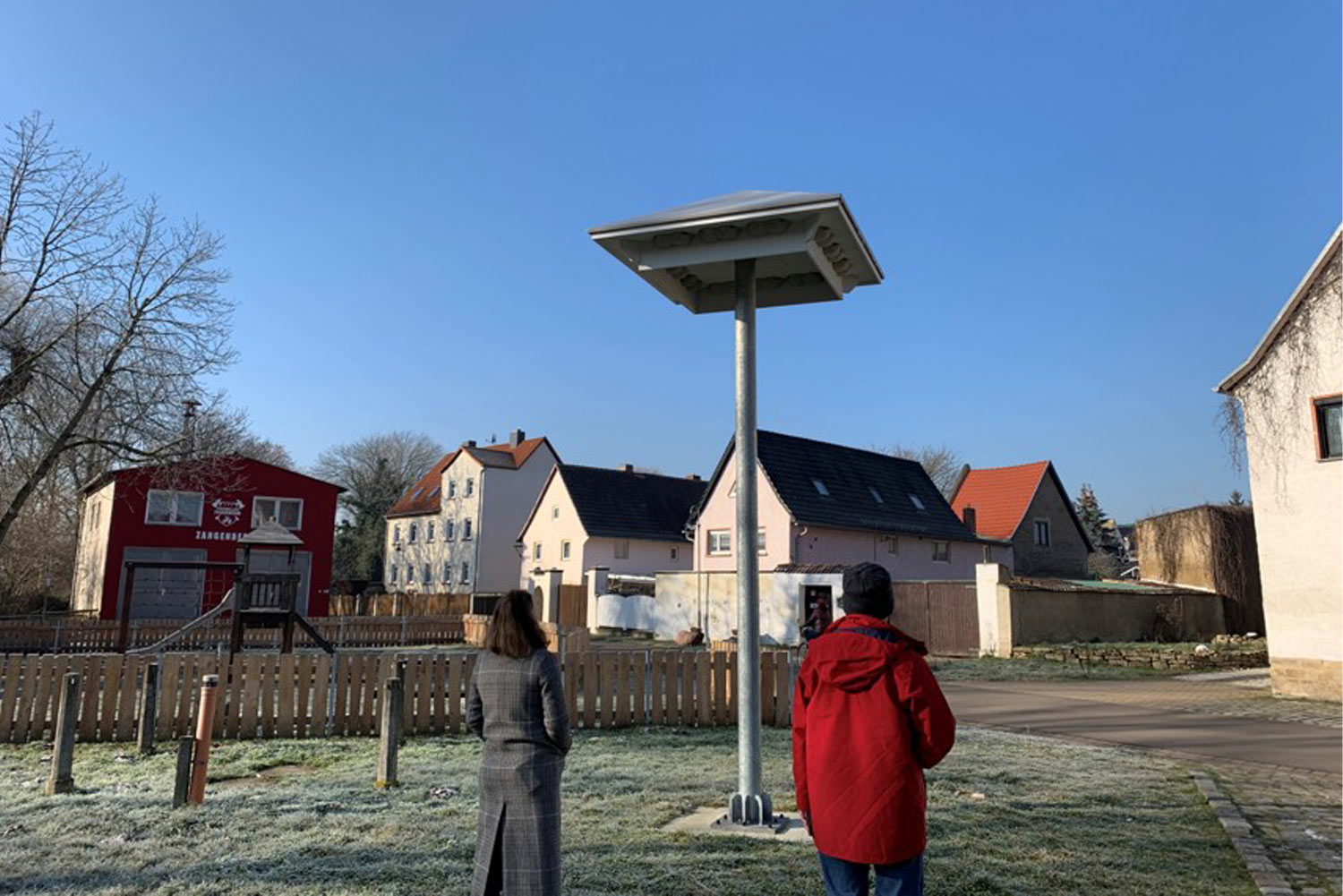
Joint environmental and nature workshops will be used to implement measures for the landscape conservation design of the Rittergutspark as a natural space. Careful interventions with integrated microarchitectures will create a natural recreational and social interaction space. Participatory interventions in the cultural landscape and environmental education measures contribute sustainably to the repair and regeneration of nature and the landscape. The workshops aim to raise awareness of the need to treat the natural environment with care and provide information about the requirements for preserving native species in the Elsteraue biotope. With the participation of experts, regulations on regenerative management and practices for environmentally friendly meadow and pasture management will also be discussed. By examining the biotope structures worthy of protection, valuable tree populations, and the distinctive cultural landscape, the Elsteraue is brought to life as a scenic gem for those involved.
Ambition III: transformieren
As central instruments for participation and education within the project, the environmental and natural space workshops are based on the principles of solidarity and cooperation. The development of the environmental church with its connection to the Elsteraue landscape brings together people of different ages, walks of life, and interests. Dialogue and joint efforts to preserve and maintain the church, the park, and the landscape promote a collective sensitivity to the natural environment and develop a sense of belonging. Joint landscape conservation measures create collective experiences for the natural environment. This brings together people from urban and rural areas, residents and visitors to Zangenberg, as well as committed conservationists and interested parties, to jointly develop practices for dealing with architectural heritage, nature, and the landscape. Joint action creates opportunities to share knowledge and experiences and strengthen social cohesion in the local community. In the process, an active network of committed individuals is established, which serves to transfer the practical knowledge acquired to other transformation projects.
Ambition III: selbststeuernd
The project brings together people from different fields through active networking and integrates knowledge from the fields of design, agriculture, forestry, nature conservation, and school education into the process through participation. The workshops draw on this knowledge, but are to be managed by the participants themselves. This ensures that non-formal knowledge is also taken into account and emphasizes individual insights into learning new ways of acting. The topics of the workshops are determined in a participatory manner, new insights are taken up, and an open flow of information is thus ensured for a self-directed process in line with local needs. The program design in the project is thus conceived as a democratic and adaptive system.
Ambition II: ebenen-übergreifend arbeiten
The “Umweltkirche Naturraum Zangenberg” (Zangenberg Nature Area Environmental Church) project aims to strengthen local structures. To this end, new partners are to be recruited for the project. The existing local networks, consisting of the support association, the local history association, the landscape conservation association, and the residents, are to be brought together with other regional environmental projects and with projects at the national and international level in an exchange of knowledge and experience. In addition, schools in the region are to be integrated into the Environmental Church as an extracurricular learning location. The project also cooperates with municipal actors and political decision-makers at the state level and, by linking the various levels, conveys the transformative effect of the project's location-based approach. The aim is to show how special places in rural areas can be developed in an exemplary manner through intensive involvement, voluntary work, and intensive networking.
Ambition III: ‘über‘ disziplinär
Through the strong integration of volunteer work and the development of non-formal knowledge for new ways of thinking and acting locally, the project aims to achieve interdisciplinary cooperation between all participants. Findings from the disciplines of architecture and monument preservation are combined with craftsmanship and art. Design requirements from landscape architecture are linked with voluntary landscape conservation measures and landscape art. By involving residents, farmers, foresters, children, young people, and economic actors, non-academic partnerships are formed that strengthen local structures and thus promote the sustainable development of the Umweltkirche and the Zangenberg natural area.
This is how it works:
NEB-Compass (PDF)

Durchführung

Verwendete Tools mit Darstellungen des Arbeitsprozesses

Weitere Projekte