NEB_ONTOUR at the “LandKiez Kick-off” in Thondorf

LandKiez Thondorf

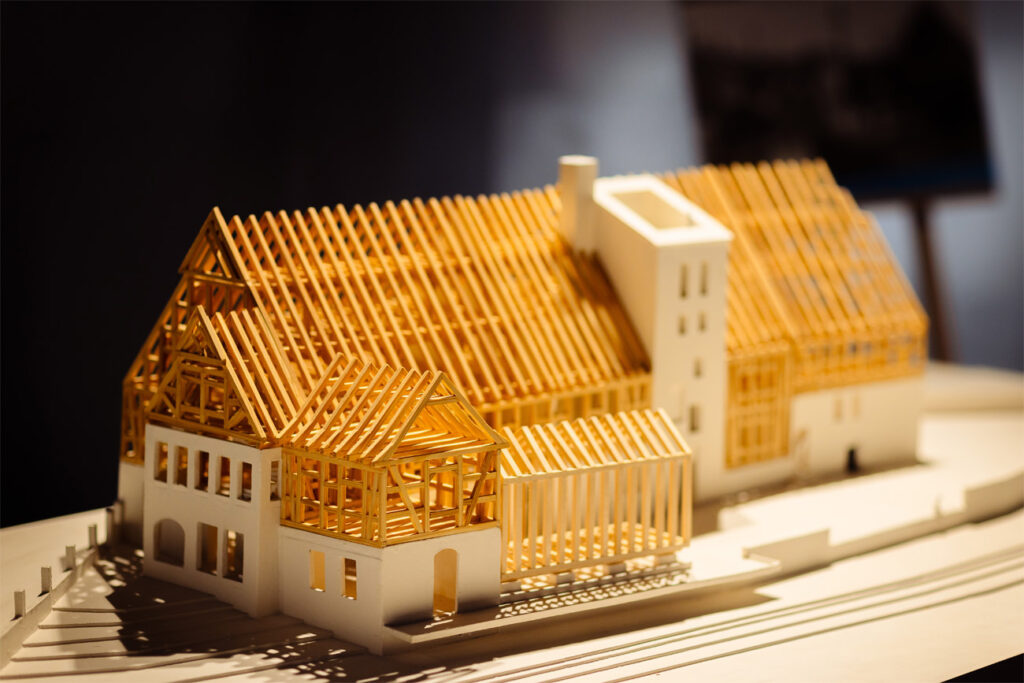
How can a former manor farm be transformed into a vibrant meeting place for the village community? What exactly is missing in the village, what do people wish for, and what would they like to actively contribute to themselves?

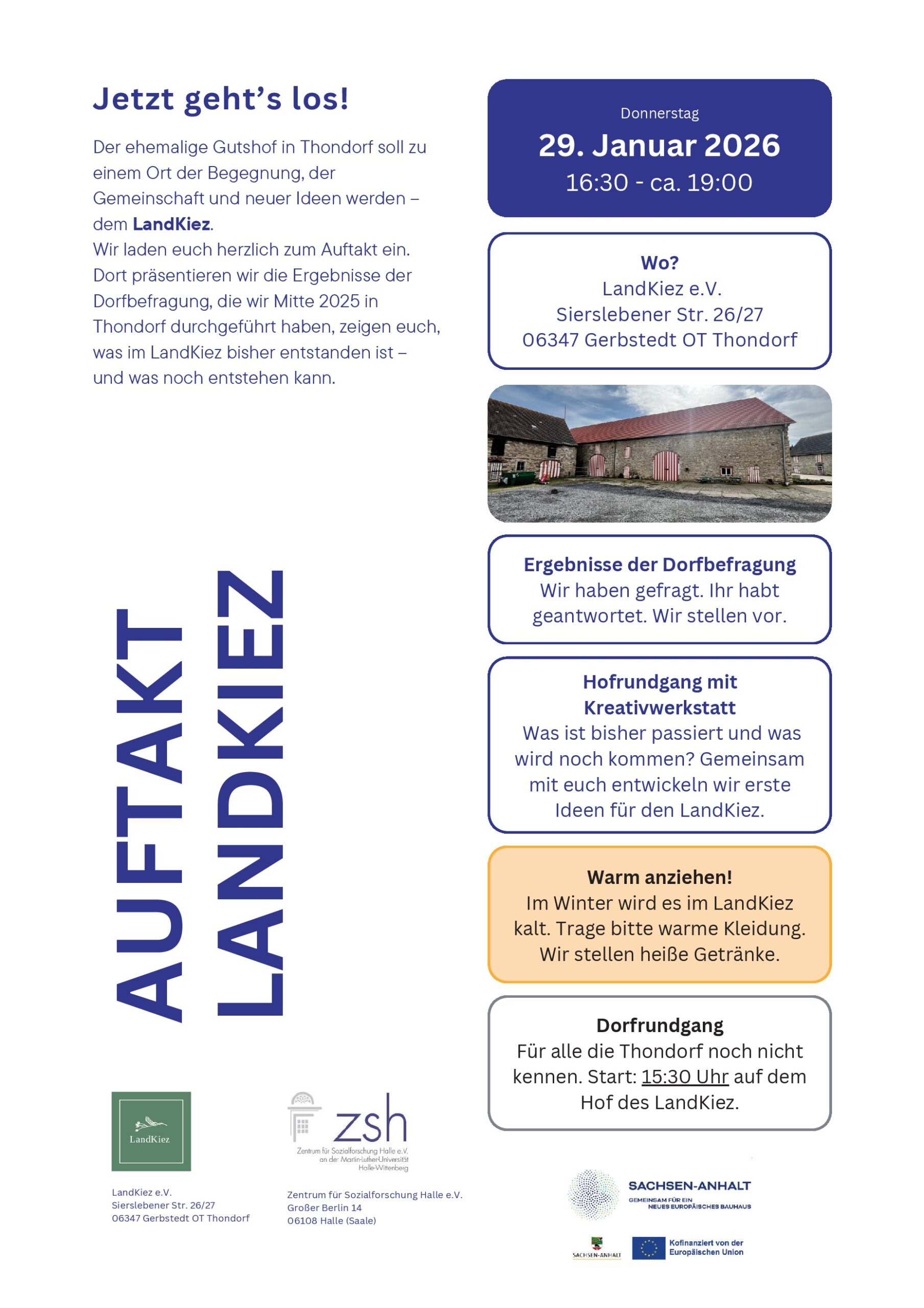
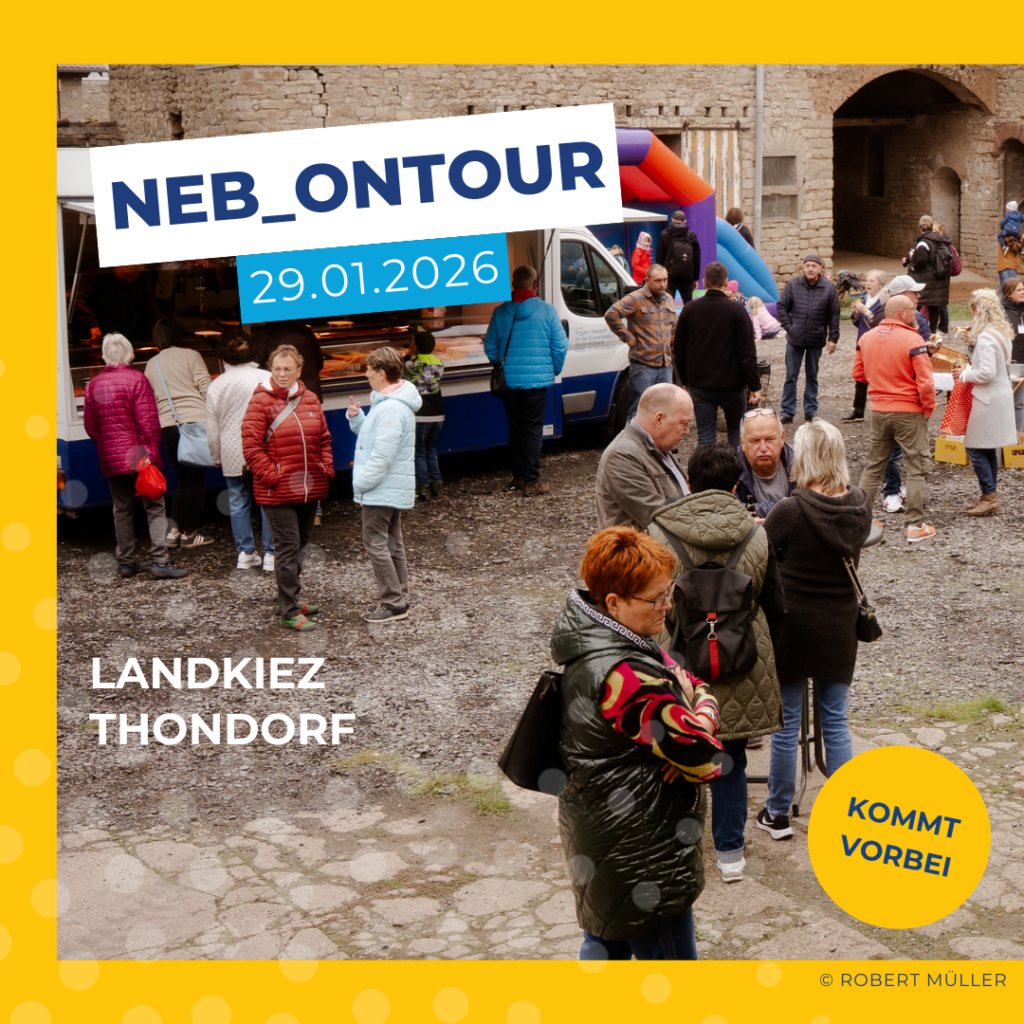
These questions were at the centre of the “LANDKIEZ KICK-OFF” in Thondorf on 29 January 2026, to which the NEB-associated partners LandKiez e. V. and the Centre for Social Research Halle e. V. (ZSH) had invited participants to the former “Gutshof Weitzel”. Despite heavy snowfall, many people from Thondorf and the surrounding villages, as well as those interested in the Saxony-Anhalt NEB PROCESS, came to the former “Gutshof Weitzel” for the event.

The meeting was embedded in a NEB_ONTOUR – a format that brings together ideas, expertise and support: during the expert excursion, the approximately 60 guests had many opportunities to get to know the place, the farm, the association and the project. Afterwards, the Halle-based ZSH presented the eagerly awaited results of a village survey. The interim report marks an anticipated milestone of the NEB PROJECT “LandKiez Thondorf”, which has been part of the Saxony-Anhalt state initiative “Together for a New European Bauhaus (NEB) #NeueBauhäusler” since April 2025. The aim is to develop a participatory feasibility study as a basis for creating an open “third place” intended to sustainably enrich community life in the village.

While the winter walk gave visitors in particular an impression of the village, its structure and its current conditions, this picture became more precise during the presentation by Isabel Müller from ZSH on the results of the village survey. More than half of the 109 households (52%) took part in the survey in May and June 2025. The focus was on local needs, village identity and existing networks. The conclusion: “On the one hand, existing meeting places such as the Schenkplatz, as well as the high level of private and voluntary engagement in shaping and maintaining Thondorf, are explicitly viewed in a positive light.” On the other hand, the ongoing loss of village infrastructure was criticised, in particular the lack of shopping facilities, restaurants and other social meeting points. At the same time, the importance of neighbourhood cohesion and local solidarity is high, and there is a strong desire to revitalise village structures which, as stated in the interim report, are “less linked to formal administrative processes and rather to local initiative and collective action.” Accordingly, the LandKiez association “encounters a social environment that fundamentally supports participatory, community-oriented meeting places and is willing to actively co-create them,” as Isabel Müller noted.

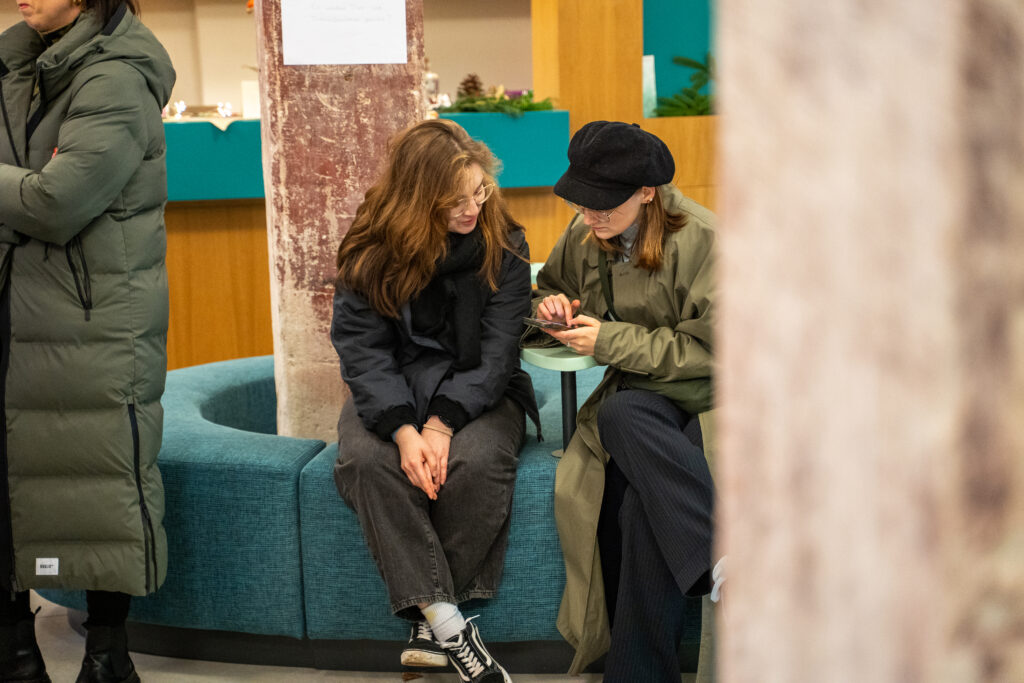
This spirit was particularly evident in the subsequent creative workshop facilitated by the NEB NETWORK OFFICE. During the inspiring walks around the extensive farm site, numerous ideas were put forward. Particularly popular were suggestions ranging from dance, concerts and theatre to a cinema, a “farm café” as a neighbourhood and youth meeting place, as well as opportunities for buying and selling, creative activities, a library or workshops. The most surprising idea, however, was the proposal for a “giant swing” in the large barn. Above all, it may symbolically represent the desired new momentum in the village. Work will continue in March 2026. Participants have already been invited to the “GenerationsVisionen”, a participatory format offered by the association and ZSH for young and old alike.