Project Name:

Between Tradition and Transformation – A Collaborative Concept for the Salt Works: Connecting the City, Salt, and the Saale River (SALTSA)

You are currently viewing a placeholder content from Google Maps. To access the actual content, click the button below. Please note that doing so will share data with third-party providers.

More Information
Project details:
Project Partners:
1. Science2public e. V. Halle (Saale)
2. Kommune Stadt Halle (Saale)
Project Type:
Development of a master plan for the currently unused areas of the Royal Prussian Salt Works industrial heritage site / a transdisciplinary approach to identifying potential uses that respect the existing conditions
Size of property:
Total property area: 22,000 m²
Fenced property area: 9,000 m²
of which total building area: 6,000 m²
of which total yard area: 3,000 m²
Project Duration: 2026 – 2027
Contact:
Norbert Böhnke, City of Halle (Saale),
Department of Culture, Hansering 20, Entrance D
06108 Halle (Saale)
Phone 0345/221-3353
Email: norbert.boehnke@halle.de
science2public e. V. – Society for Science Communication, Inc.
c/o MMZ – Central German Multimedia Center
Mansfelder Str. 56, 06108 Halle an der Saale
Ilka Bickmann: 0345/78282412
Email: bickmann@science2public.com

Project Description

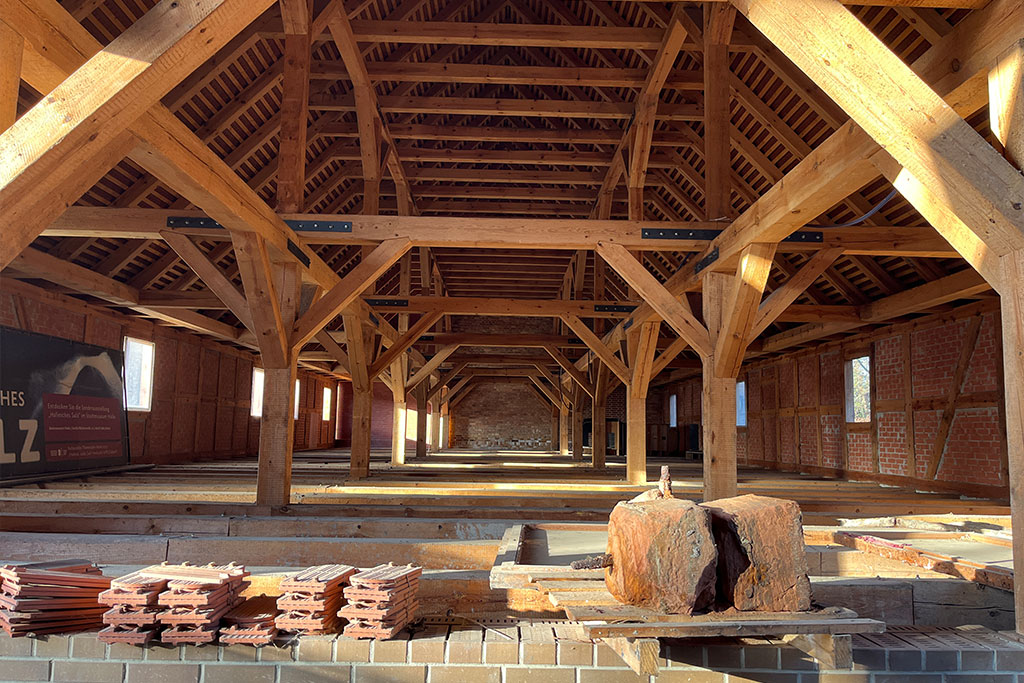
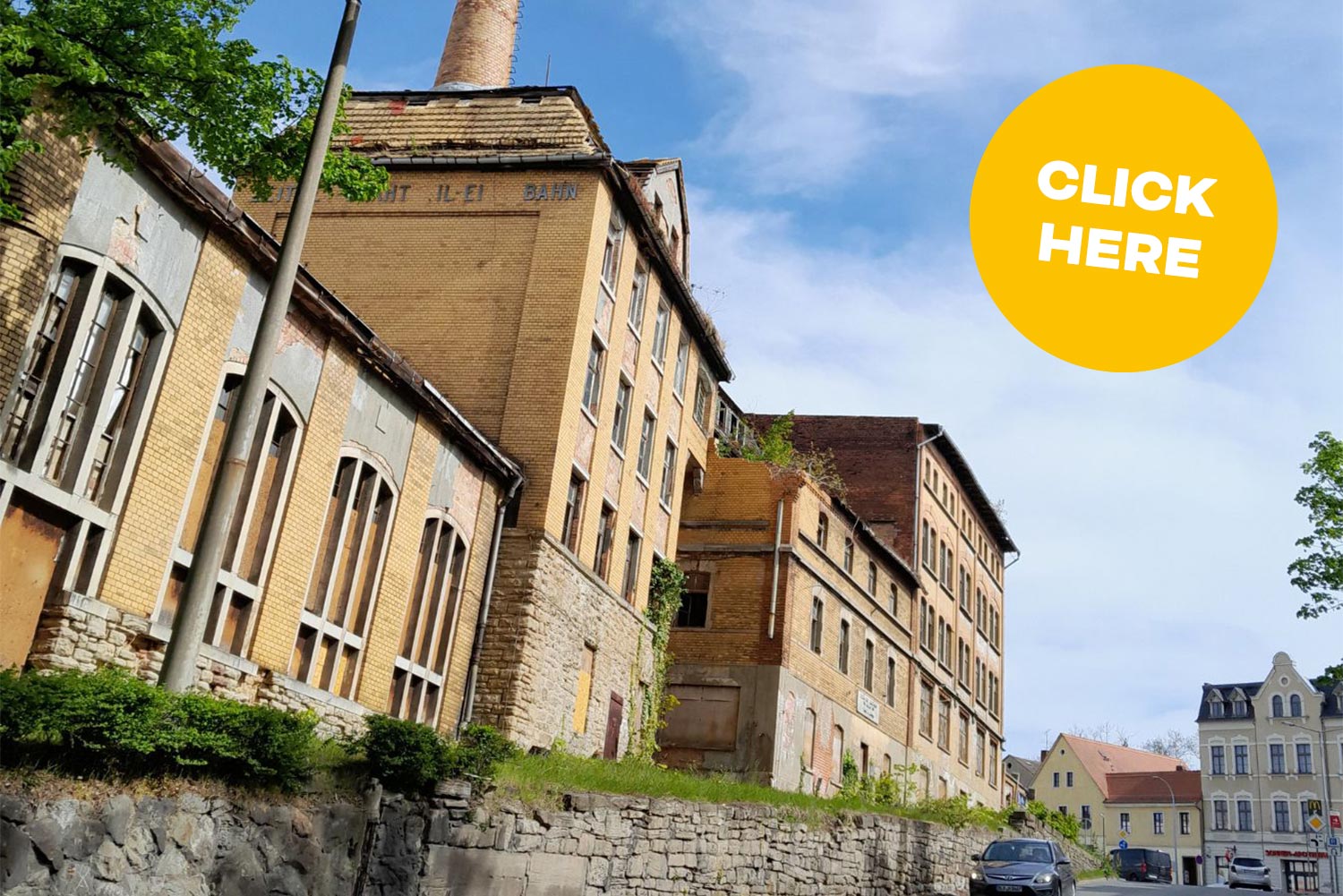
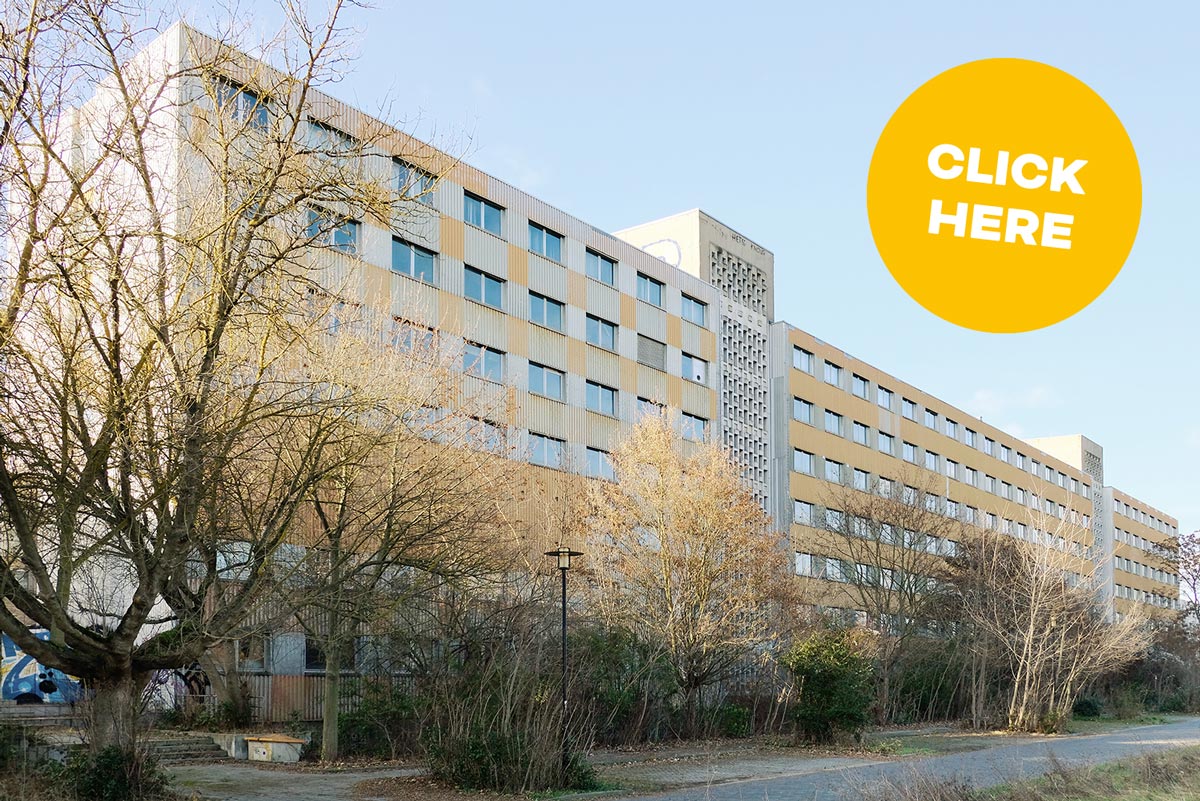
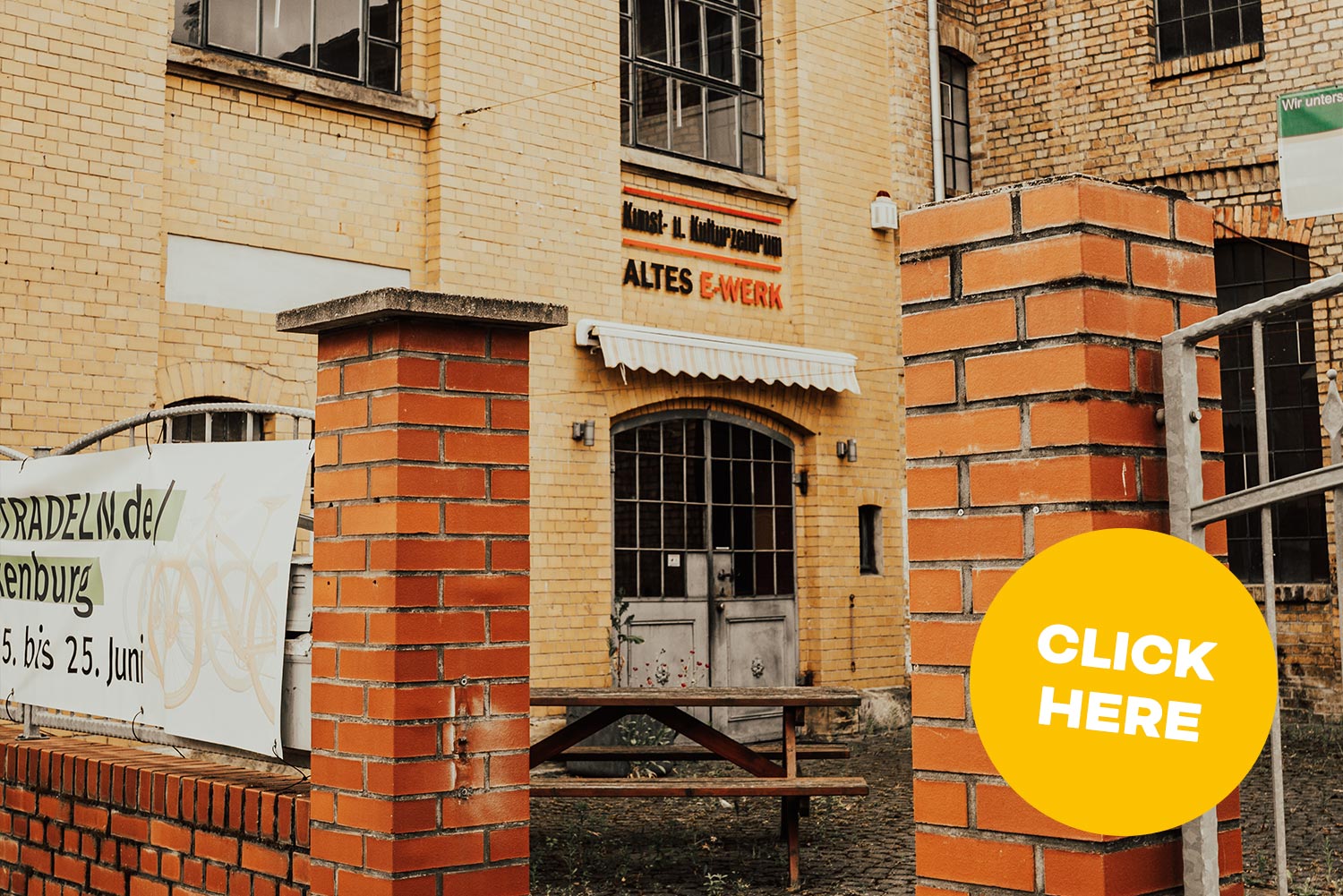
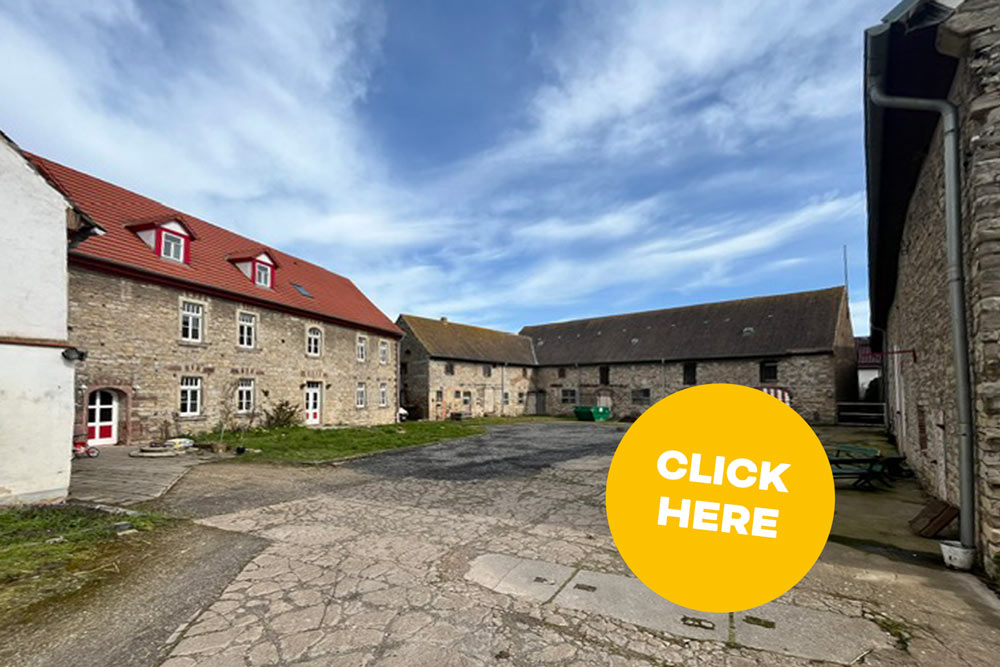
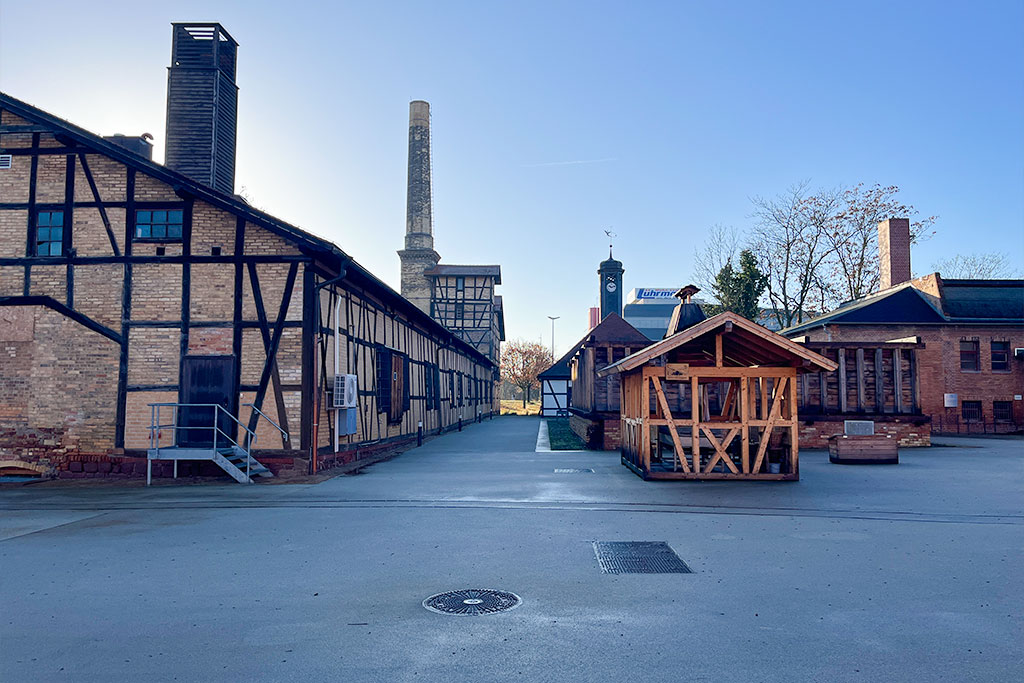
The Saline complex in Halle (Saale) is an outstanding industrial monument to salt production in Halle, with a history of use dating from 1721 to 1964. The cessation of salt production coincided with the start of construction on the planned city of Halle-Neustadt, west of the Saale River, in 1964. The Saline Island serves as a link between the Old and New Towns, yet the original plan to develop it as a local recreational area could not be fully realized.

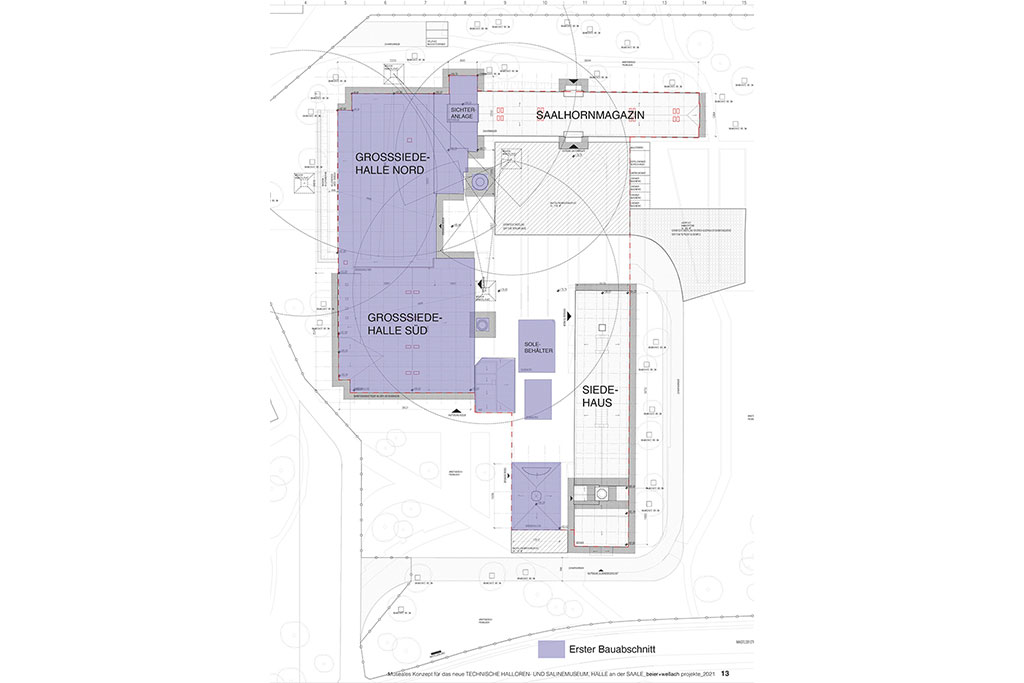
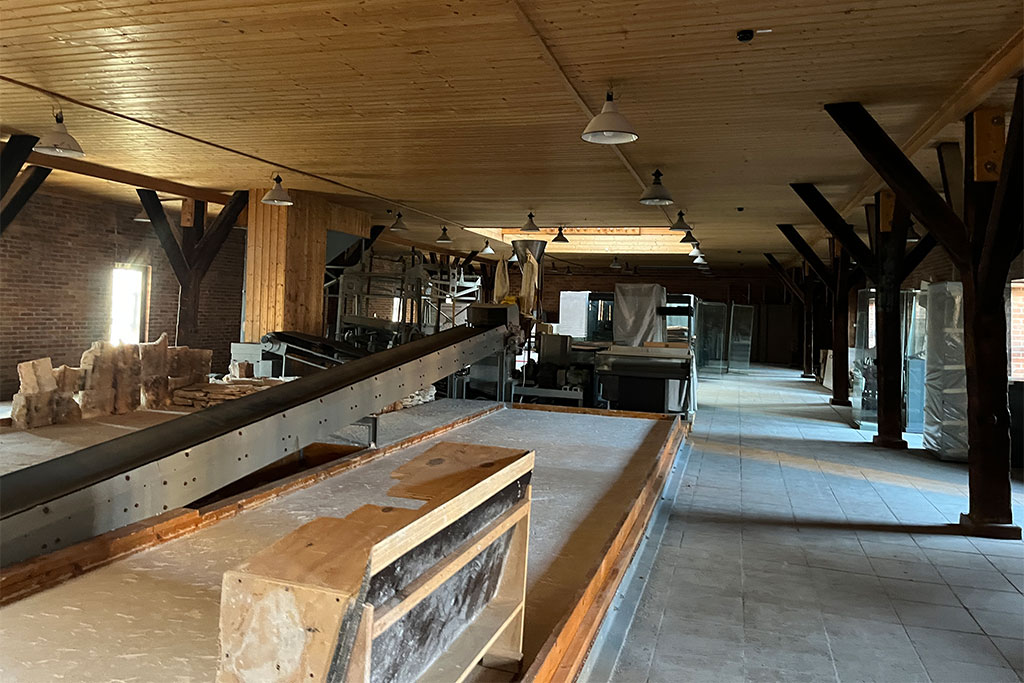
The Saline Museum is operational and has already been restored. The still-unused buildings on the Saline site are to be developed into an open, inclusive space for education, experience, and engagement that combines education, culture, and community participation.

The development concept aims to create a sustainable utilization and renovation plan for the entire complex that honors the significance of the industrial buildings as well as regional traditions and the technical expertise and educational heritage of salt production. It also takes into account the perspectives and expectations of the next generation regarding museums of the future. The project connects historical identity with modern urban needs and creates a link between the old and new parts of the city.

An industrial culture that comes to life and transforms.

Project Goals

The project aims to develop a new approach to planning culture as a collaborative process for designing the renovation and reuse of the still vacant saltworks buildings. The focus is on the spatial, structural, heritage preservation, and design potential of the properties—future use is conceived with the buildings themselves in mind, placing a high value on their physical integrity while preserving their architectural identity. The renovation is intended to serve as a model of circular economy and, in the spirit of resource conservation, will also incorporate innovative approaches such as seasonal uses, “house-in-house” systems, or low-tech concepts.

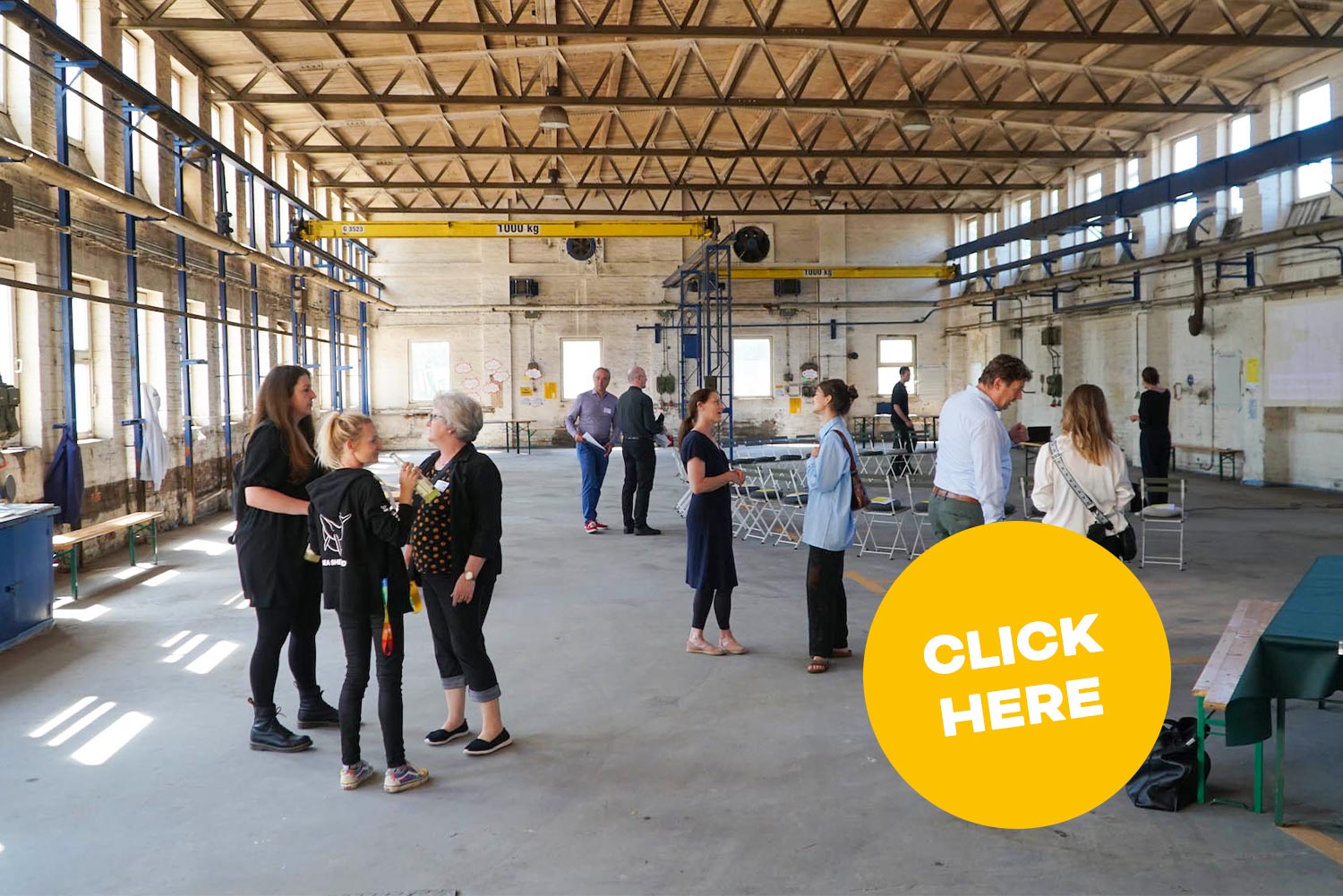
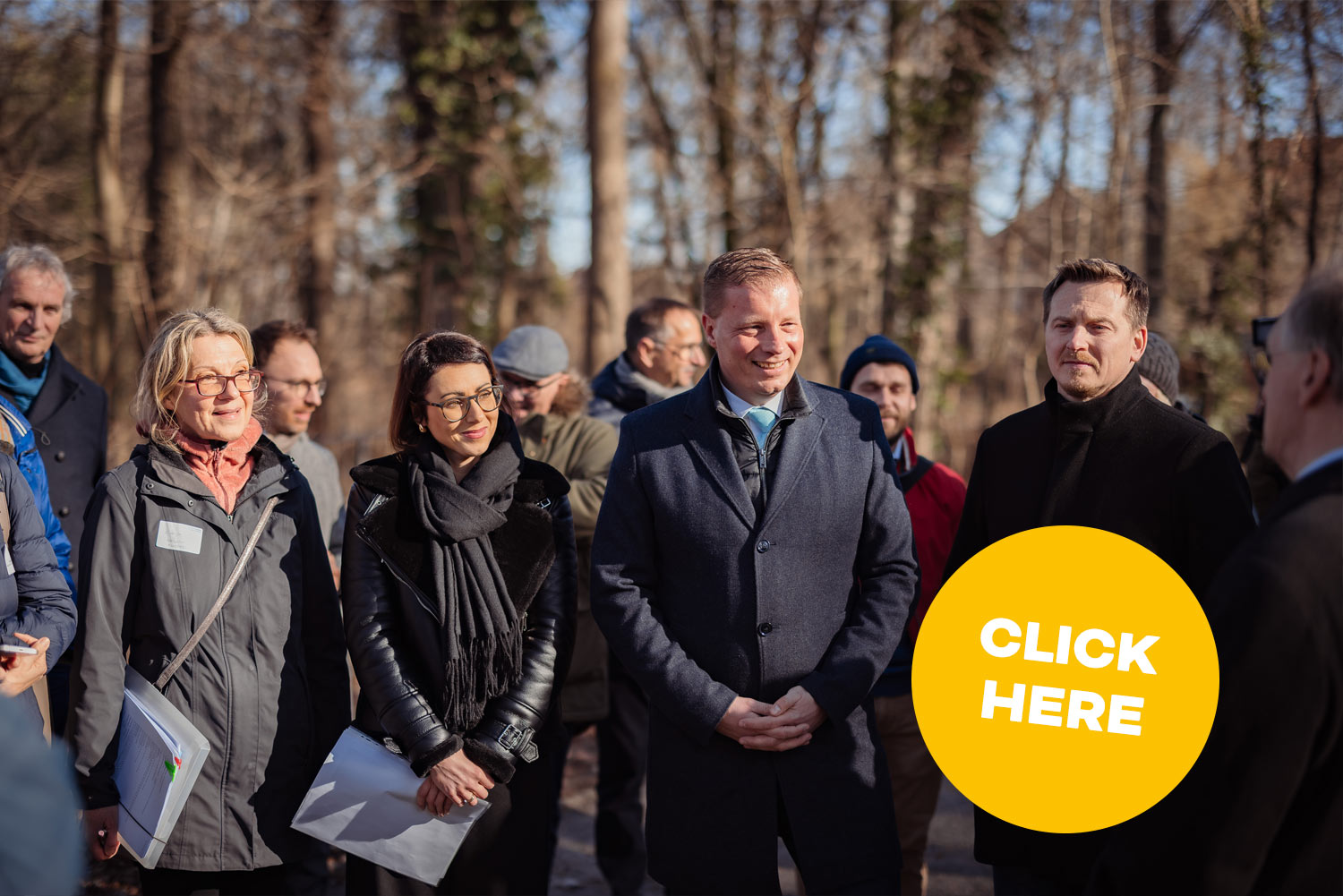
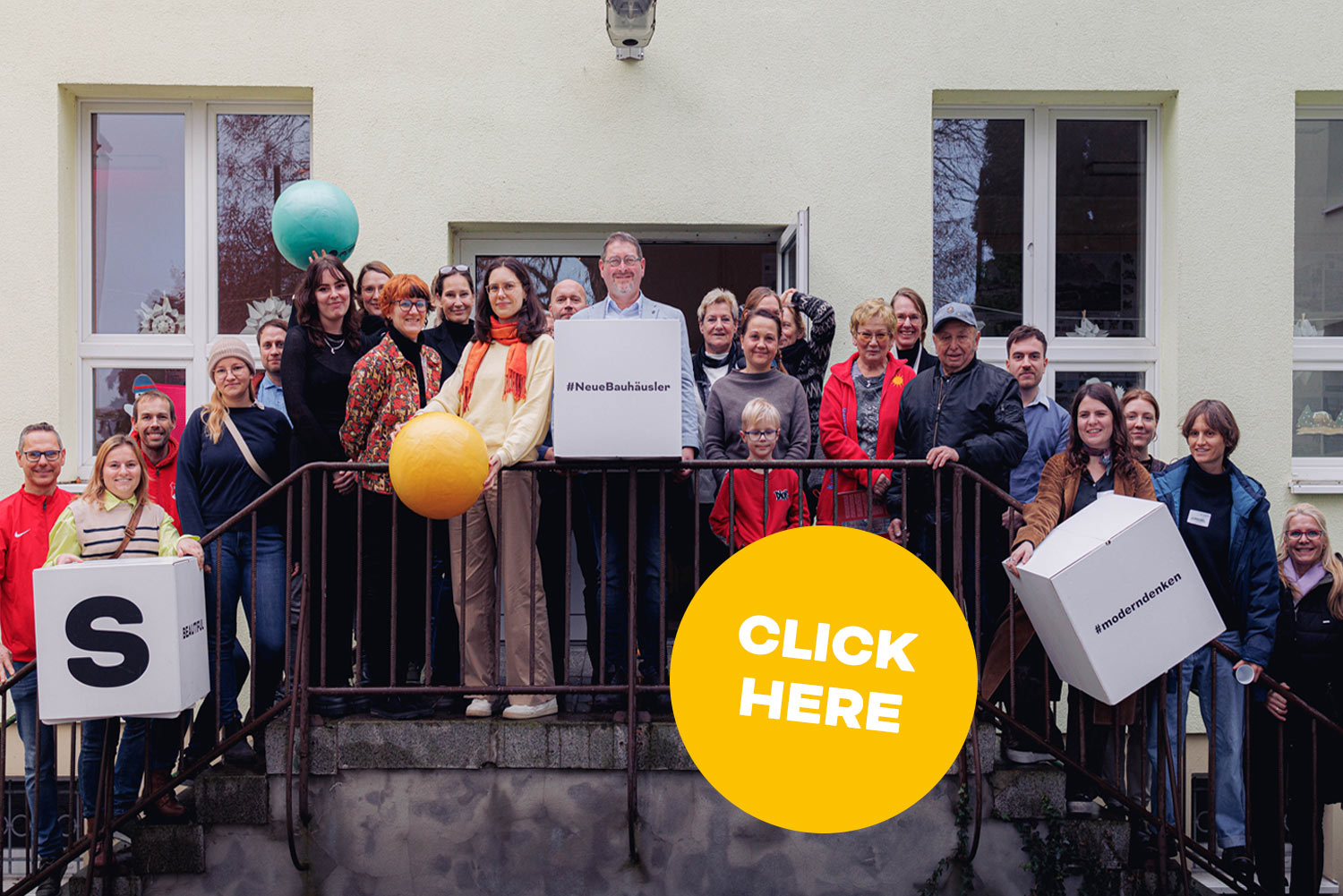
Key stakeholders such as the Salinetechnikum, the Hanseverein, the Salzwirker-Brüderschaft, neighboring institutions like the outdoor pool, the integrated comprehensive school, and the planetarium, as well as the public, are involved in the development of the concept. The concept includes structural surveys of existing buildings, consultations on usage, participatory formats, and spatial interventions. The goal is a viable concept for use and financing, serving as the basis for further implementation and applications for additional funding.

Thanks to its location along the axis connecting Riebeckplatz with the Future Center for German Unity and European Transformation via the Old Town to Halle-Neustadt, the Saline stands at the intersection of tradition, transformation, and the future. This will also be reflected in the exciting visualization of usage concepts through temporary spatial interventions and in the implementation of effective coordination and implementation processes for future organizational and financing models.

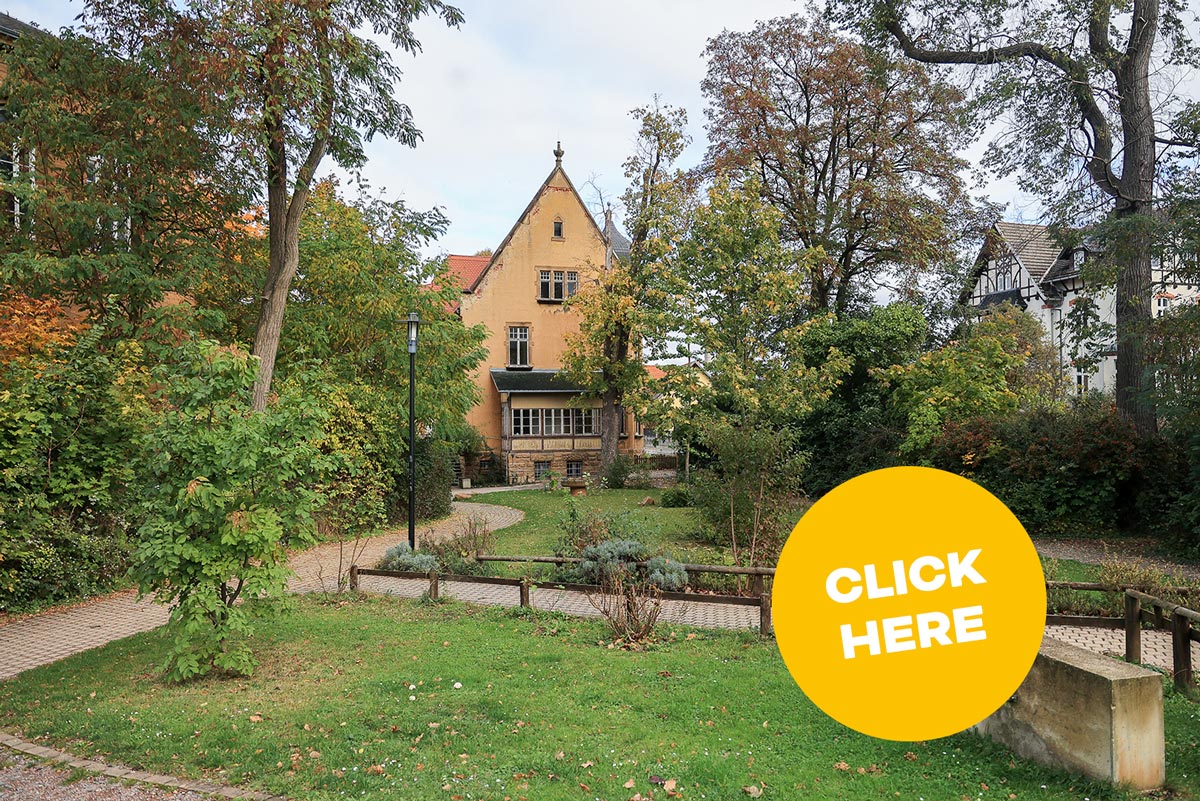
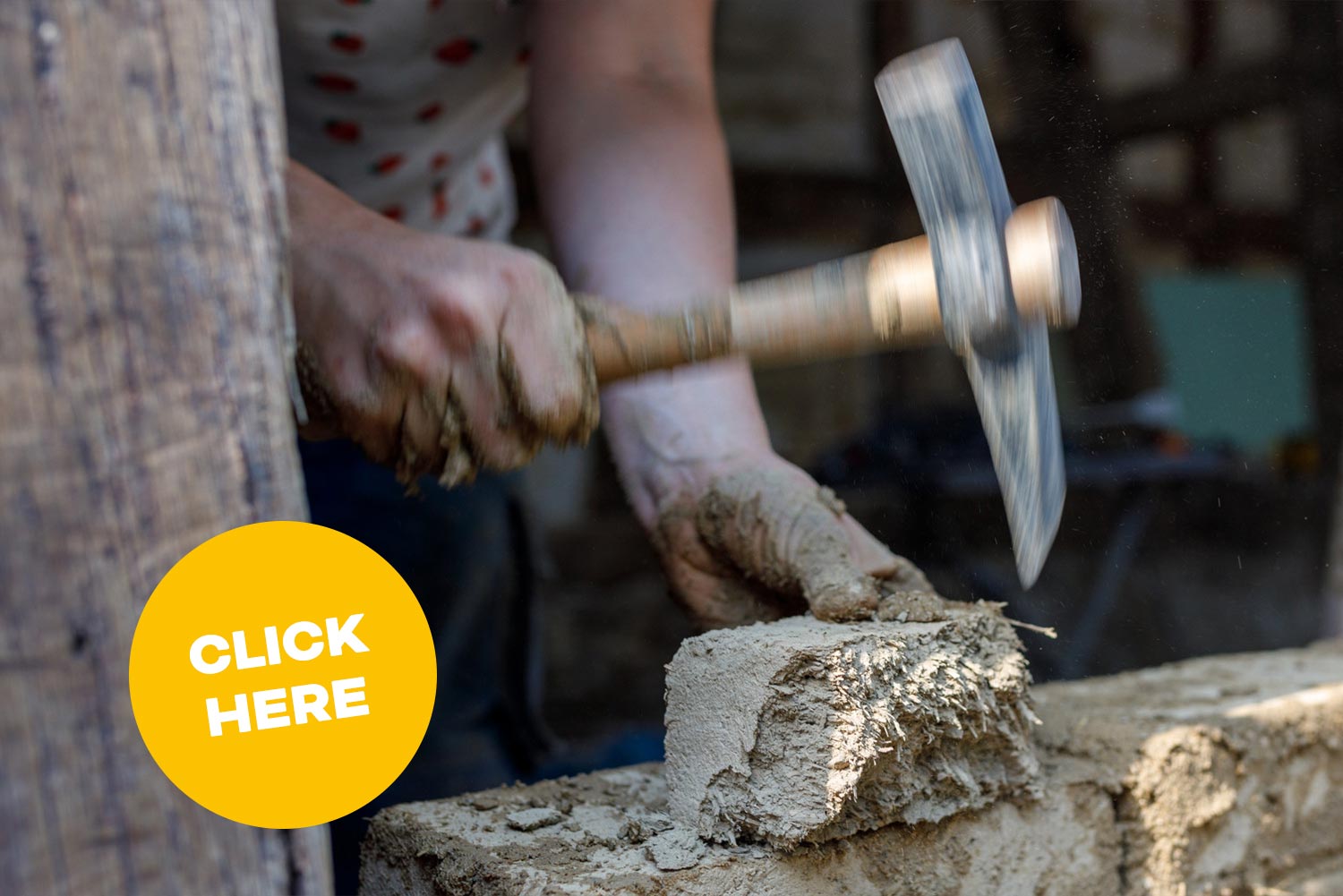
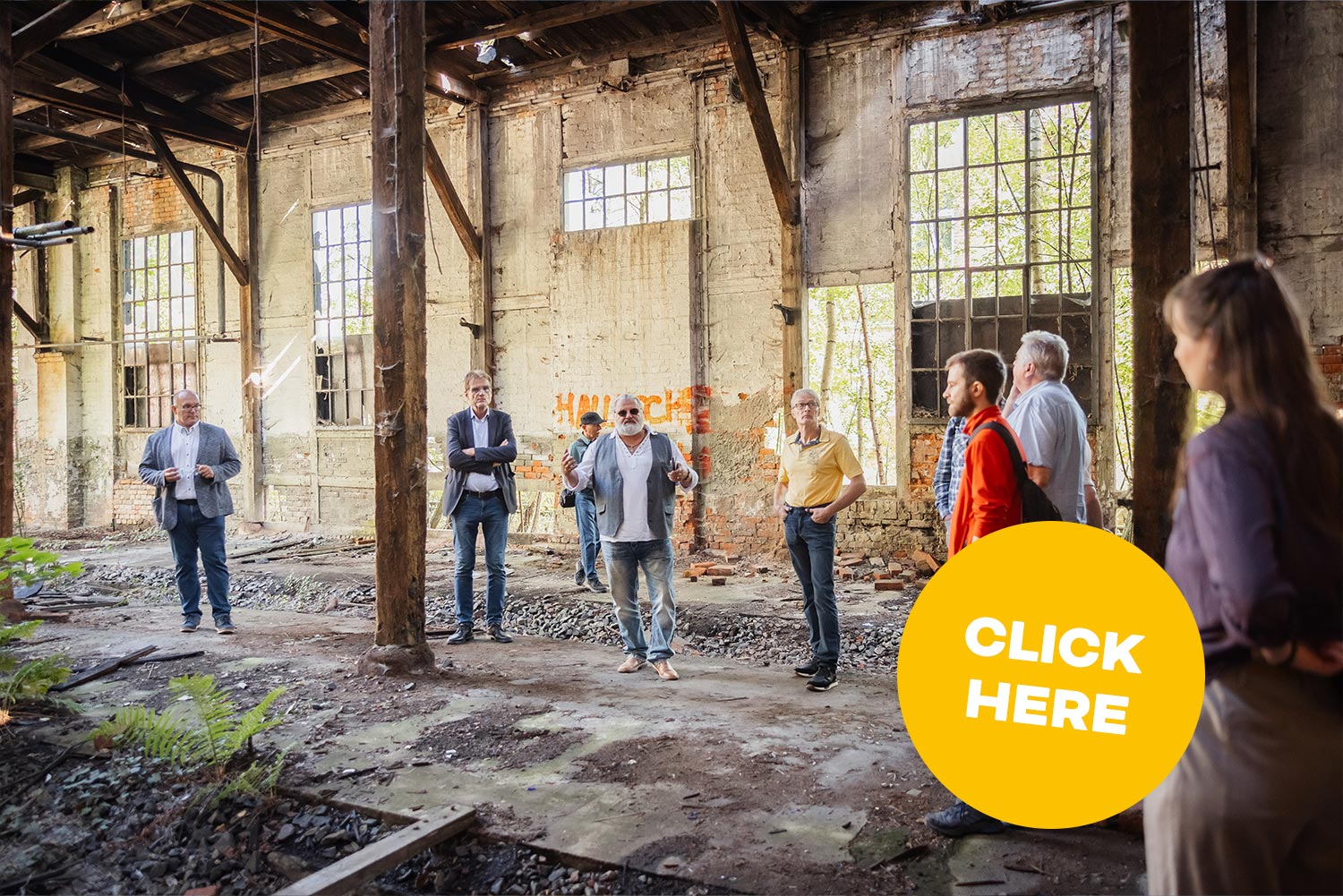
Project impressions

Criteria according to the NEB_Compass

Ambition II – to connect
The development concept for the Royal Prussian Salt Works aims to work with the numerous stakeholders and the public to develop a vision that, on the one hand, respects the salt works’ traditions while, at the same time, looking toward the future in terms of mixed-use development, renovation standards, and organizational structures. The existing building stock consists of outstanding industrial monuments of high aesthetic value. The entire complex, situated in a picturesque location on the Saale River, offers exceptional conditions for urban planning, open-space design, architecture, and educational tourism. However, these conditions can only be fully realized if the planned uses treat the existing structures with respect and appreciation.
Ambition I – to repurpose
The revitalization of existing buildings, in the spirit of circular construction and as a contribution to climate neutrality, is achieved when building uses are tailored to the potential of the existing structure, thereby minimizing CO₂ emissions through renovation and operation when the buildings are reused. This is the goal of the sustainable development concept that the project partners are pursuing in a coordinated manner: The usage concepts should be conceived holistically, based on the existing building fabric and with a view to future use and operation (form and function). By developing a “Phase 0” scope of work, requirements and framework conditions are clarified at an early stage, as they impact potential uses, renovation goals, and financing. Experimental approaches such as seasonal variations in usage intensity, reducing the finish standards of individual rooms, reusing historical building materials, exploring alternative heat energy sources, and low-tech concepts contribute to climate sustainability and the minimization of energy demand. Through the spatial intervention process developed by science2public e. V., conceptual and spatial approaches are experimentally tested and integrated into the collaborative development concept.
Ambition I – to include
The Royal Prussian Salt Works is a landmark in Halle (Saale) of great cultural and industrial historical significance. This is evident in the many traditions and customs surrounding salt boiling. In recent decades, the site has also evolved into a hub of transformation and interaction between the Old Town and the New Town. In the future as well, diverse lifestyles and social perspectives are to continue to come together here. From an urban planning perspective, it is not only the location on the Saale island between the city districts that is significant. The convergence of the historical architecture of the listed buildings with the principles of modern building culture also presents a topic that must be considered inclusively for the diverse use by different interest groups. With the construction of the Future Center for German Unity and European Transformation, Halle (Saale) will expand its role as a hub for transformation and future studies in the coming years. While the Future Center addresses overarching issues through discussion and communication, the Saline is intended to serve as an inclusive and multifaceted reference point for urban society, exemplifying successful transformation. The development concept serves as the foundation for this: the multifaceted—and at times conflicting—interests are integrated into a shared context with the historic buildings. This creates a mutually reinforcing, sustainable model for use and organization that harnesses the potential of participatory decision-making, the common good, and global learning. The Saltworks Museum in the South and North Boiling Halls serves as a central catalyst and focal point, influencing the overall usage concept.
Ambition II - to co-develop
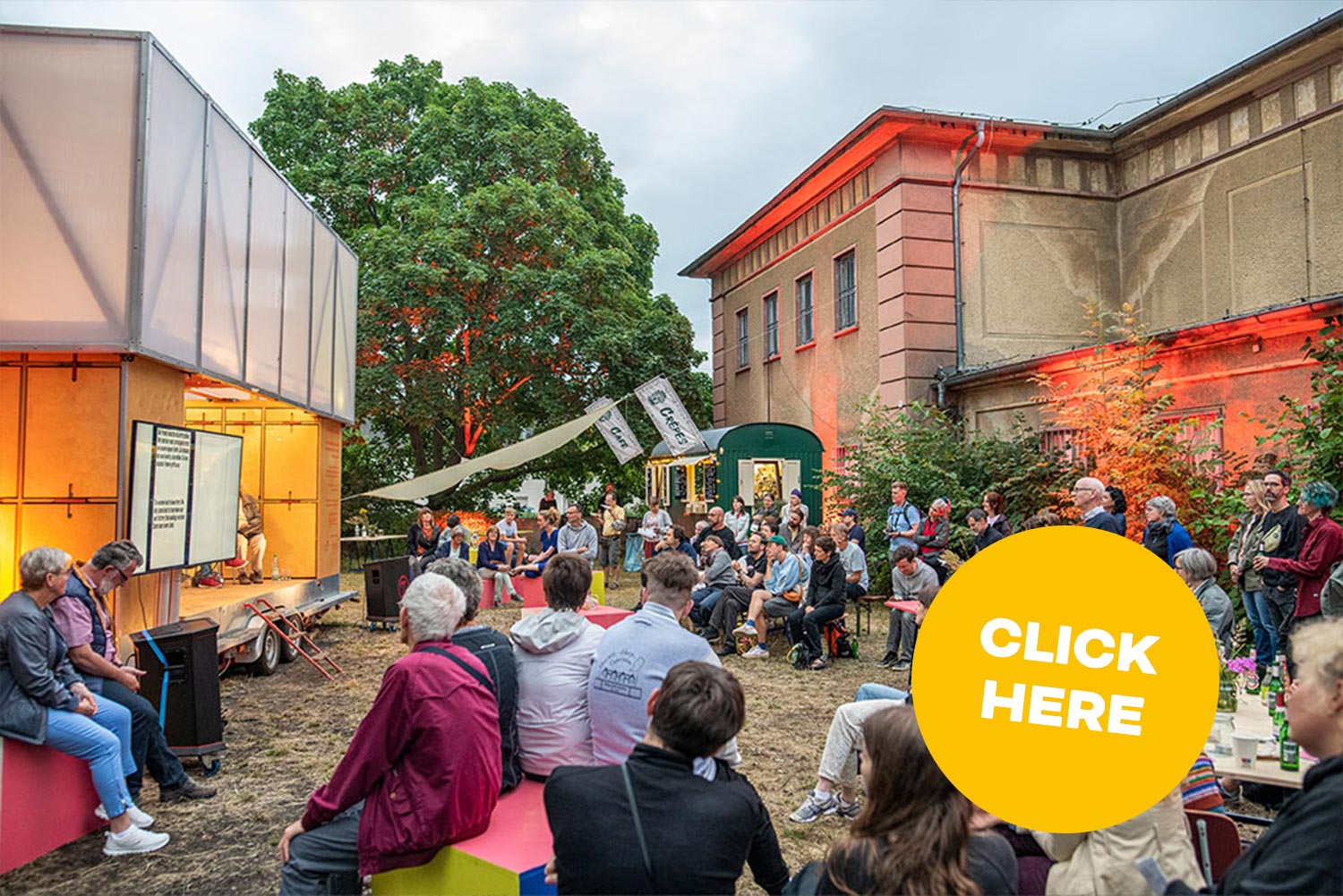
The development concept for the Saline site is based on collaboration between civil society actors, local initiatives, and interested members of the urban community. Participants include the Saline-Technikum, the Hanseverein, and the Salzwirker-Brüderschaft. The goal is to incorporate diverse perspectives—ranging from the preservation of tradition to contemporary educational offerings—into the planning process. The facilitation and organization of the participatory process is handled by science2public e. V., which has experience with various participatory formats and a regional network. Methods such as stakeholder mapping, spatial interventions, and experimental simulation games create interactive formats to explore the potential and limitations of the existing buildings and develop concrete ideas for their future use. The results of the participatory process will be incorporated into Phase 0 and serve as the basis for further planning and renovation of the historic buildings. The process emphasizes early alignment between usage goals and the physical structure of the buildings and supports the development of viable, collaboratively agreed-upon concepts. Through discussions of future organizational and financing options, the aim is to jointly explore new avenues, particularly by involving and supporting volunteer-based and public-interest-oriented structures. Through an appreciative approach to organizational development throughout the entire process, the goal is to develop and establish a sustainable usage concept in collaboration with all stakeholders and user groups involved in the process. The cooperative nature of the development process will serve as a benchmark for the subsequent implementation steps.
Ambition I – to work locally
The cooperative development concept actively involves multiple levels of stakeholders and addresses specific objectives:
  • City of Halle (Saale): Owner of the property, responsible for construction and renovation matters, and management of the Saltworks Museum.
  • Stakeholders: Salinetechnikum, Hanseverein, and Salzwirkerbrüderschaft: Contribution of concrete ideas and requirements for use, preservation of tradition, high level of volunteer commitment, networking within city and state politics.
  • Other stakeholders from the urban community and region (e.g., Bäder Halle GmbH, Planetarium, Saalestammtisch, Zukunftszentrum gGmbH): Additional usage possibilities, connections to other institutions and projects.
  • Interested public: Creative input on identity-building around salt, the saltworks, and the Saale River, education, and inclusive formats.

A stakeholder map created by science2public is intended to expand and clarify this circle of participation and build bridges for knowledge transfer. The urban significance of the Saline Island as a focal point between Halle (Saale)’s Old and New Towns, as an open meeting place, and as the starting point for the region’s industrial development is highlighted by the new uses. The complex architectural history of the Saline complex is also incorporated, bringing to life the transformation of industry over the centuries.
Ambition III – to be beyond-disciplinary
With the successful renovation of the South and North Boiling Halls—a project that garnered significant national attention—the saltworks has already taken a major step toward ensuring its future viability as a saltworks museum. Continuing this process faces the challenge of combining tradition, the preservation of customs, and transformation. This requires early, transparent, and interdisciplinary dialogue, as well as professionally managed communication and process support, so that the result is an overall concept supported by all stakeholders and the urban community. The participatory process explicitly aims to involve, in addition to external expert knowledge on the development of successful “third places,” both stakeholders and interested individuals from urban and civil society who are already engaged in and with the saltworks, as well as groups and individuals who would like to participate in the future within the framework of the development and usage concept. Different perspectives, backgrounds, needs, interests, and educational backgrounds are to be brought together into a shared concept through interdisciplinary, co-creative, and collaborative uses involving participants from various neighborhoods. Its proximity to the market square, neighboring institutions such as the MMZ (a multimedia incubator), the Department of Media and Communication Studies at the University of Halle, Europe’s largest planetarium, several schools, the MDR within walking distance, as well as its direct location on the Saale River—offering opportunities for river tourism and the integration of the citizen science research vessel “Make Science Halle” from partner organization science2public e. V., moored at the Saline—all point to a vibrant collaboration already underway during the development process and into the future.
Kooperatives Konzept für die Saline: Stadt, Salz und Saale verbinden (SALTSA)
This is how it works:
NEB-Compass (PDF)

Durchführung

Verwendete Tools mit Darstellungen des Arbeitsprozesses

Weitere Projekte