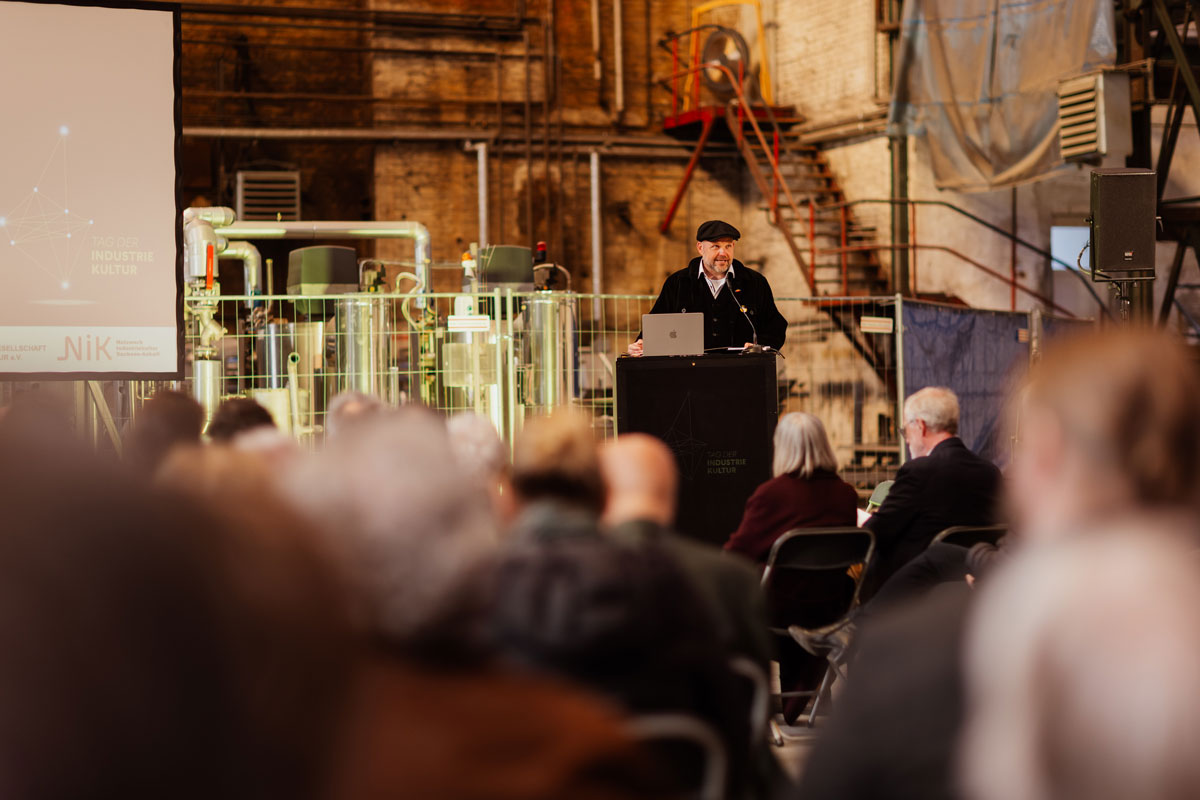
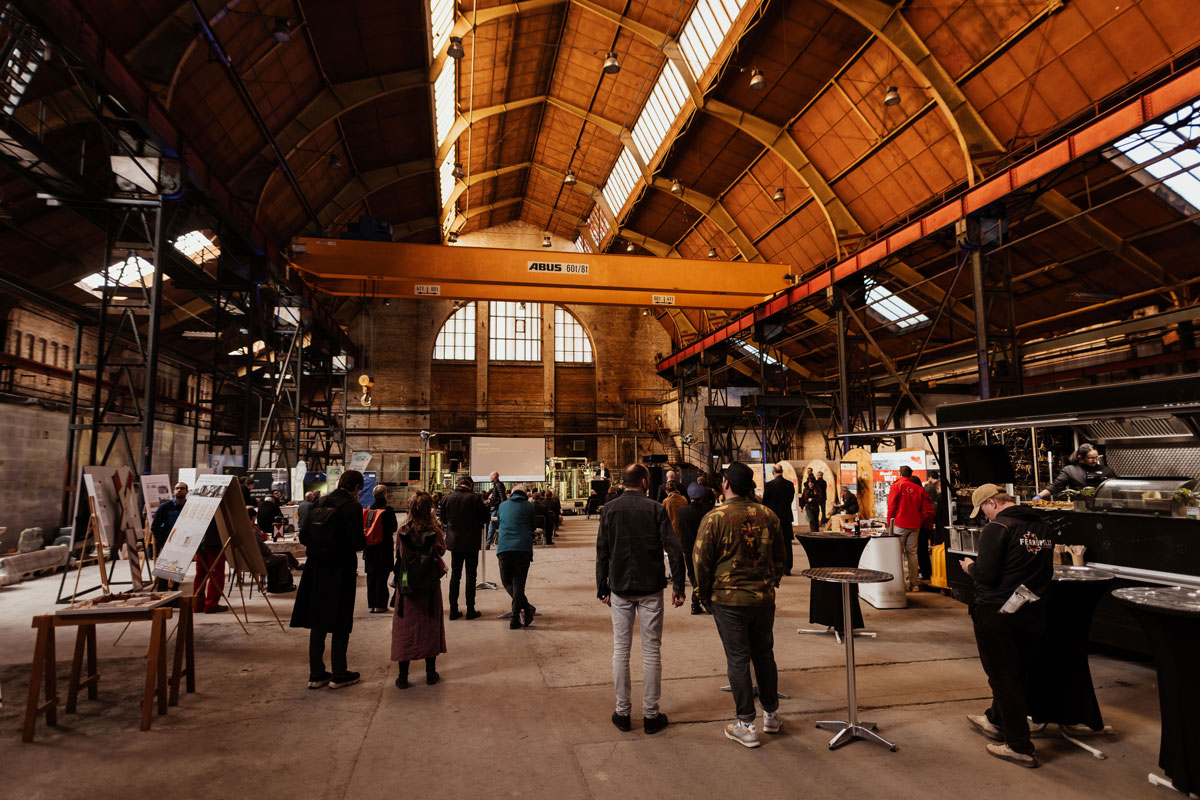
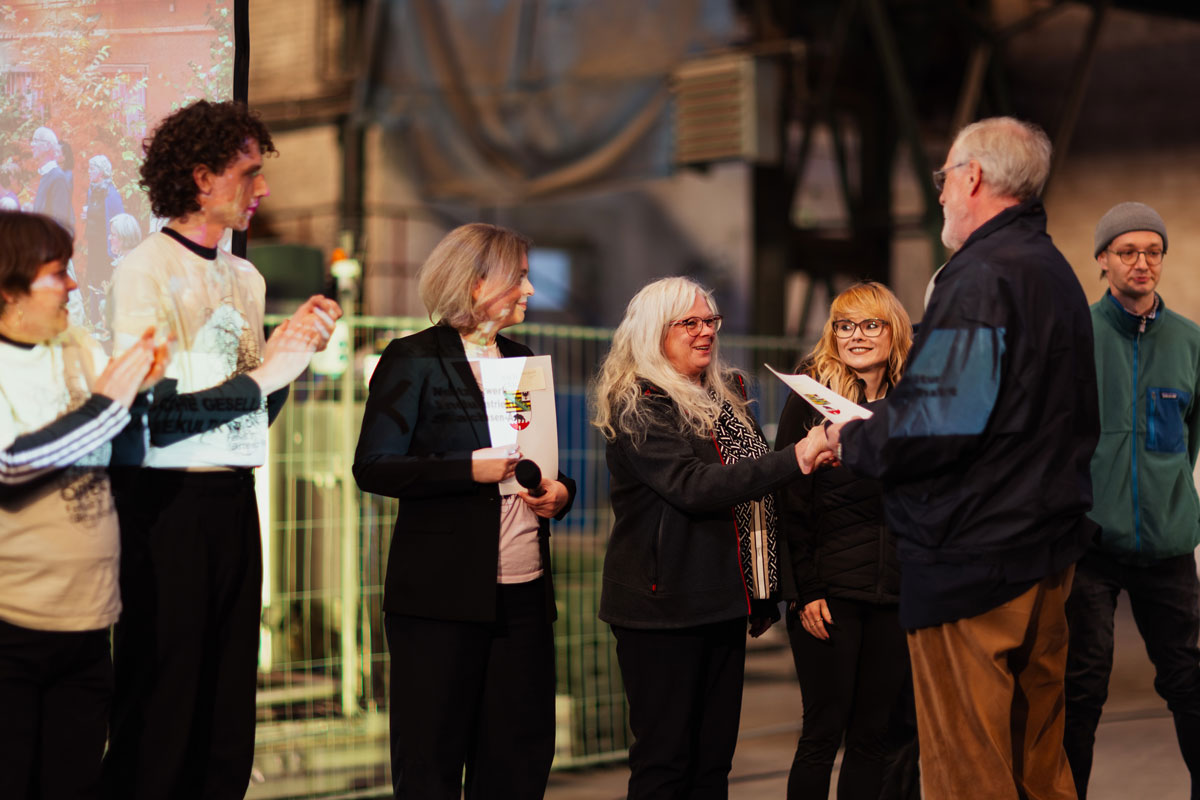
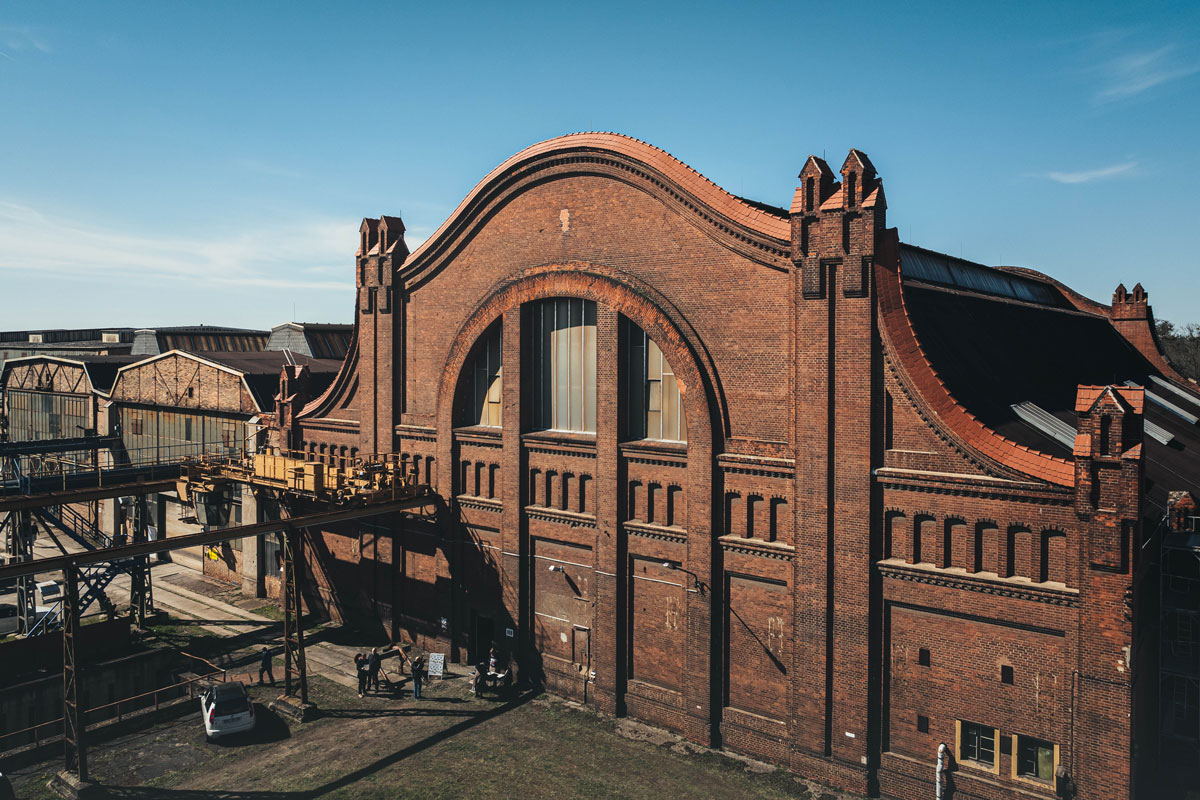
“The future has a sound in Saxony-Anhalt!” On April 9, 2026, in the Bauhaus city of Dessau, the “16th Day of Industrial Heritage in Saxony-Anhalt” was opened with a fanfare in the presence of Rainer Robra, Minister of State and Minister of Culture of the State of Saxony-Anhalt. The venue was the rediscovered “Kraftmaschienenhalle” by modernist architect Peter Behrens, which highlighted the thematic connection between industrial heritage, the “100 Years of the Bauhaus in Dessau” anniversary, and the state initiative “Saxony-Anhalt – Together for a New European Bauhaus (NEB)”: Three new NEB_PROJECTS related to industrial heritage received their funding notifications from the minister. The NEB_NETWORKOFFICE, which advises and supports the #NeueBauhäusler in Saxony-Anhalt, was present: NEB_ONTOUR INDUSTRIAL CULTURE.
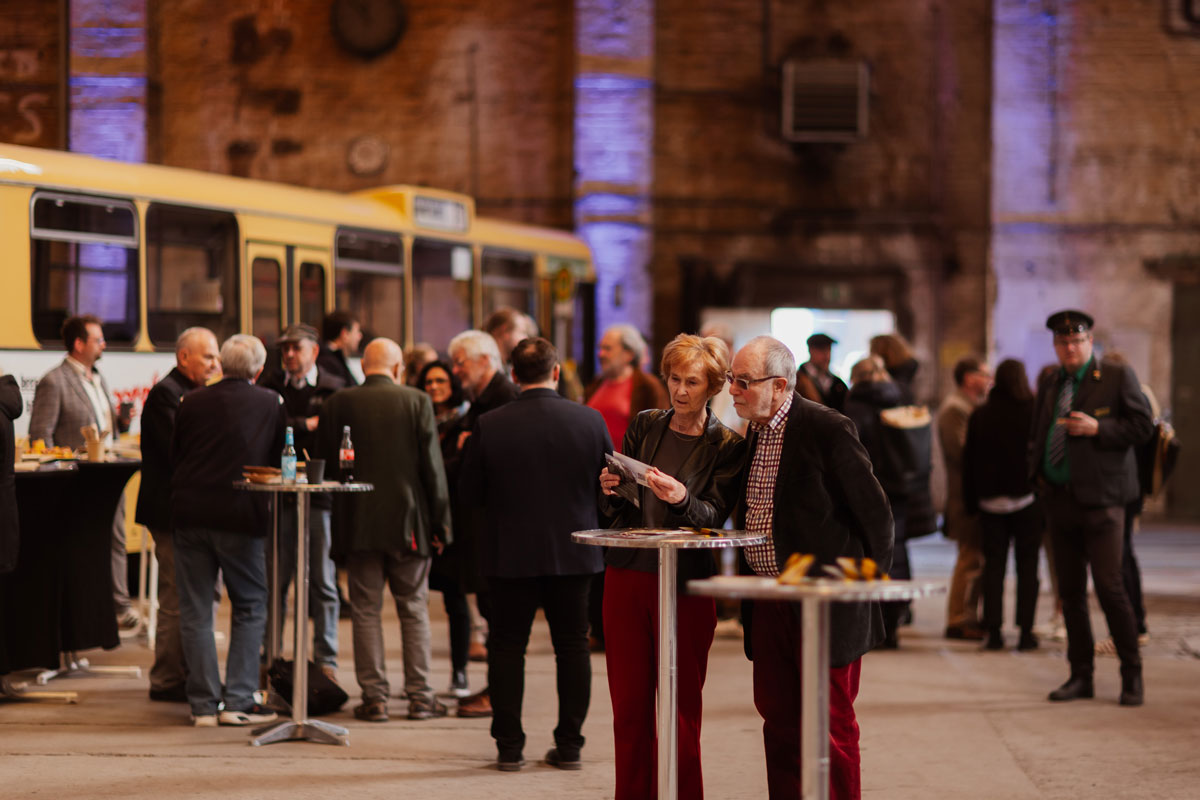
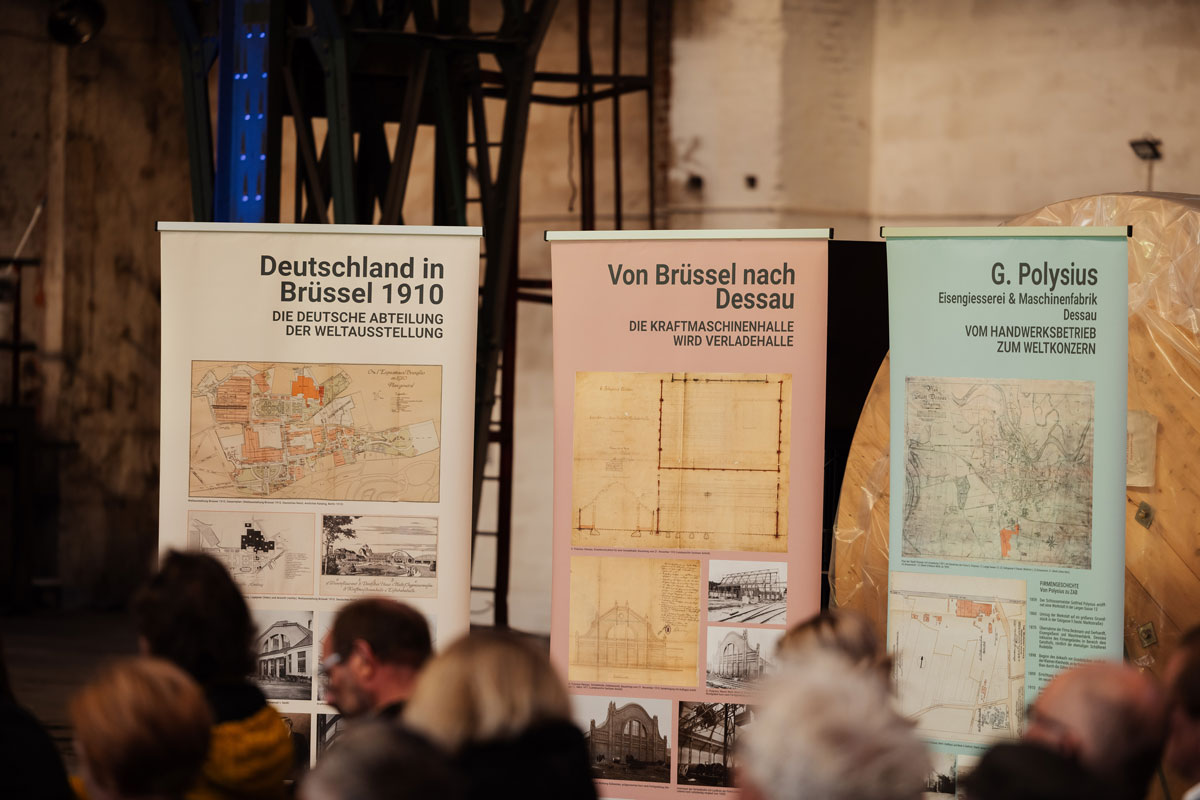
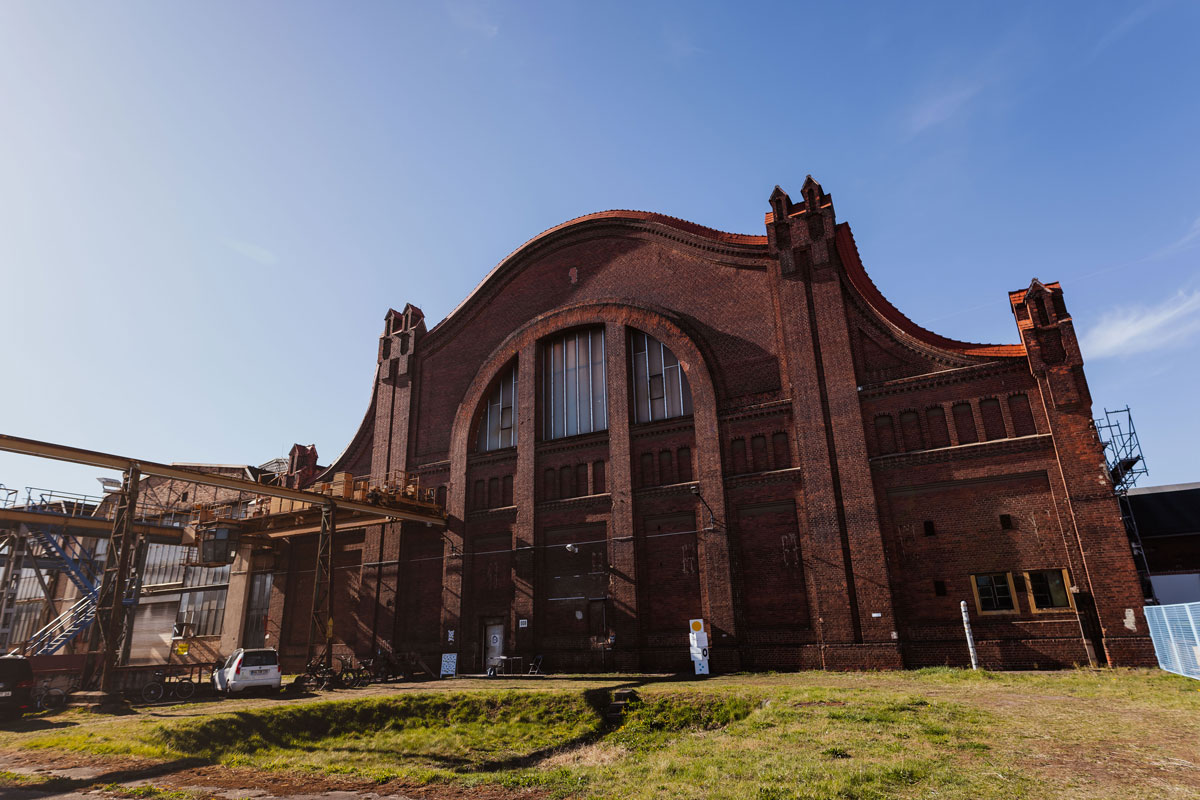
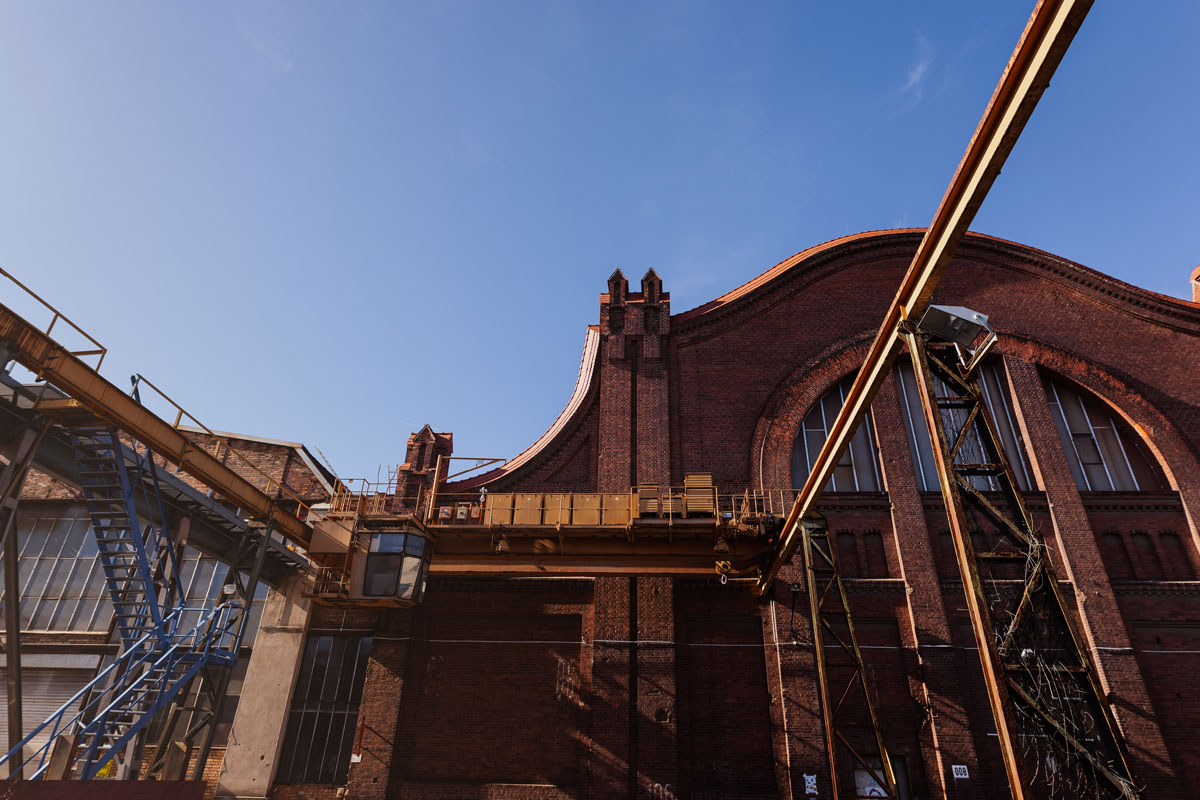
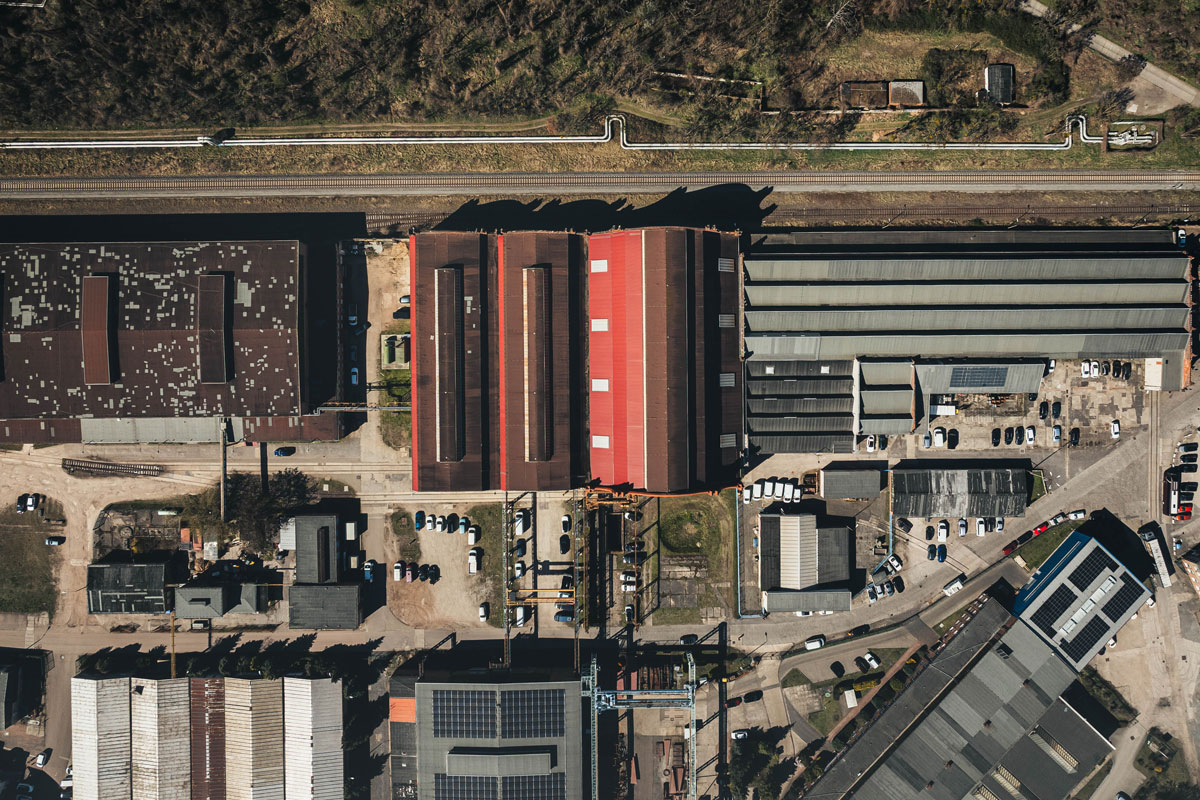
The venue itself revealed just how many fascinating stories Saxony-Anhalt’s industrial heritage has to tell. Designed in 1910 by Peter Behrens, a pioneer of modern industrial design, as the “Kraftmaschinenhalle” for the World’s Fair in Brussels, it was later brought to Dessau by the entrepreneur G. Polysius. For a long time, the hall’s structure was thought to be lost. Now rediscovered, it was the highlight of this year’s “Day of Industrial Heritage” on April 9, 2026.
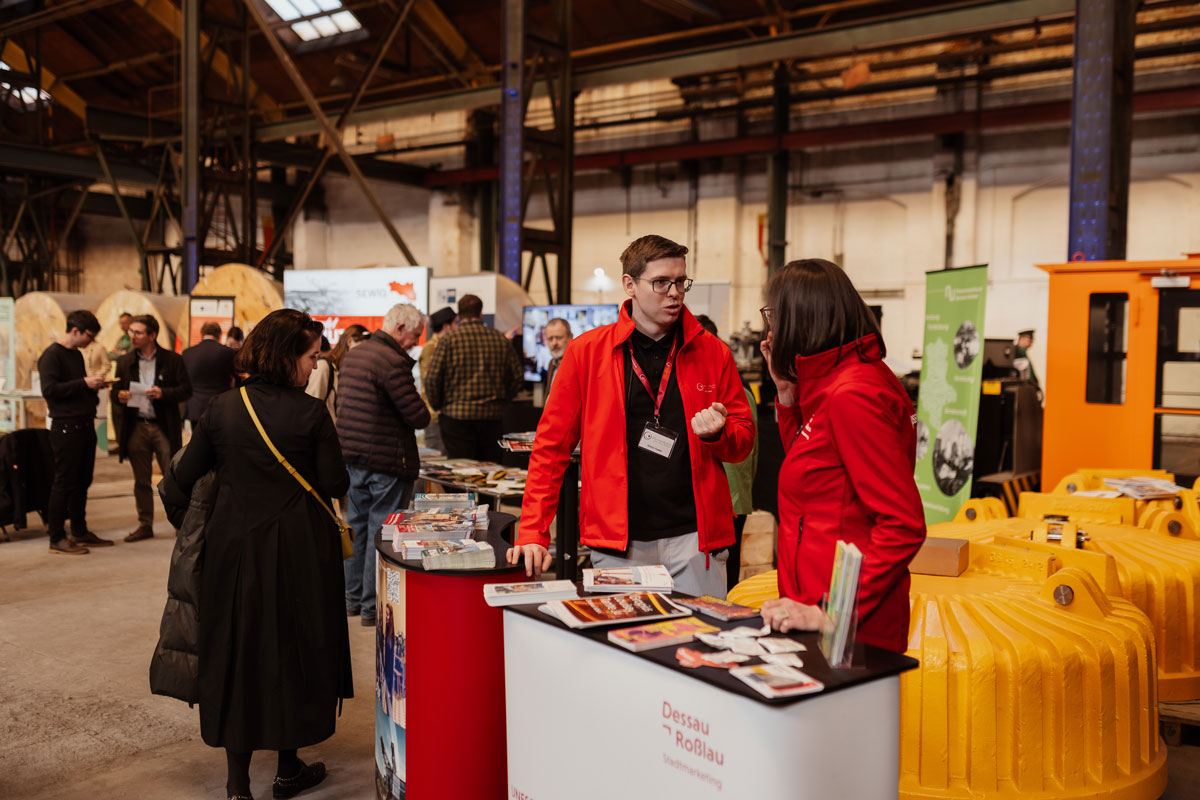
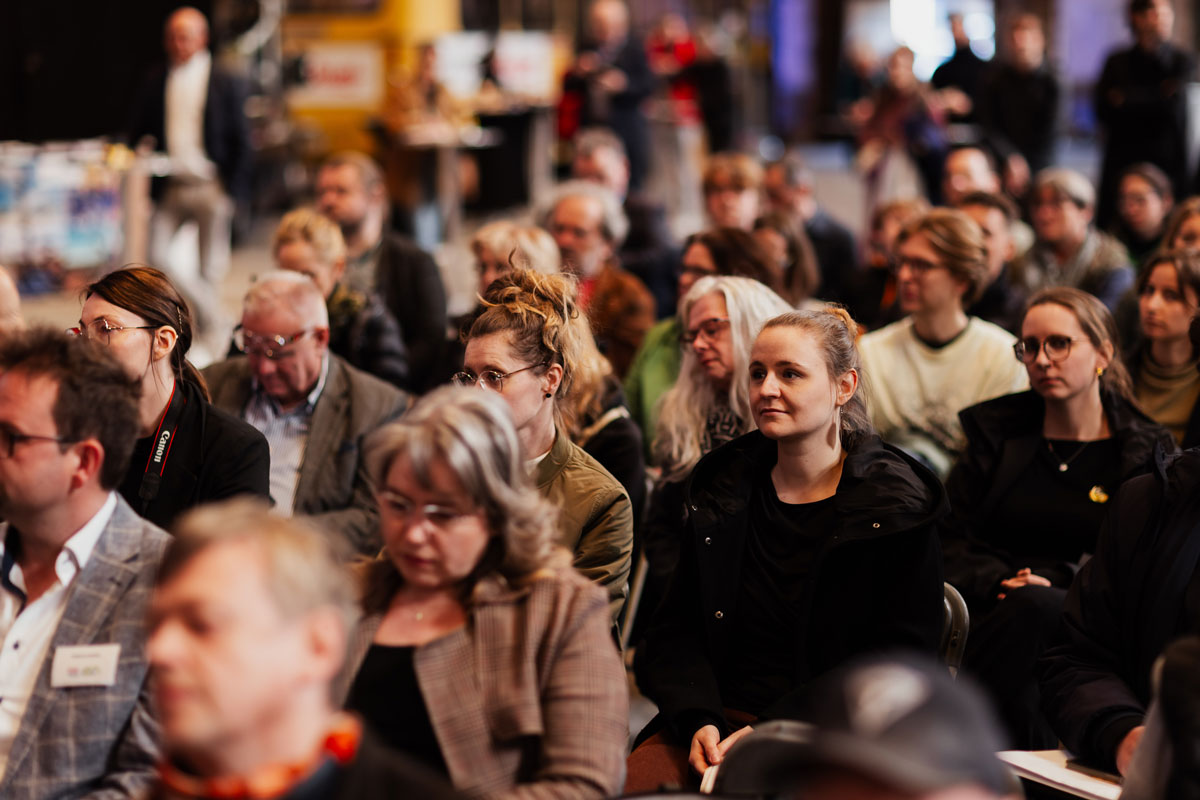
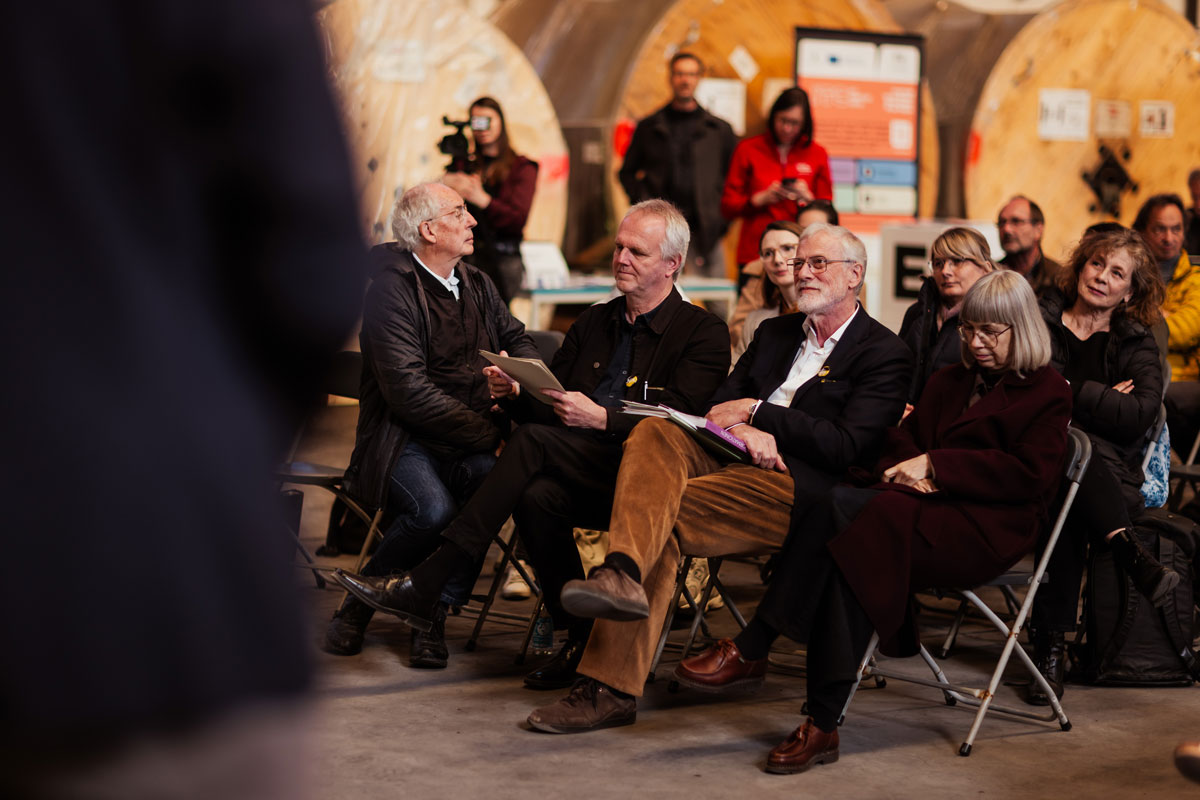
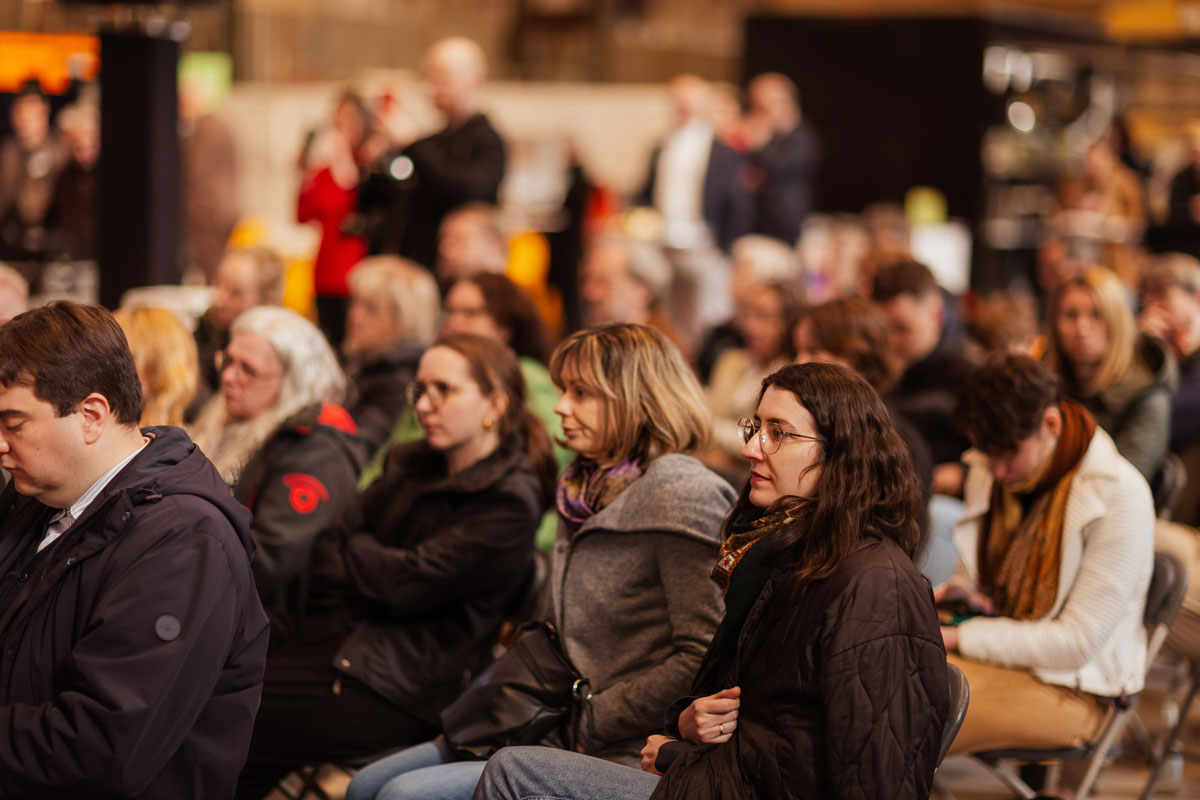
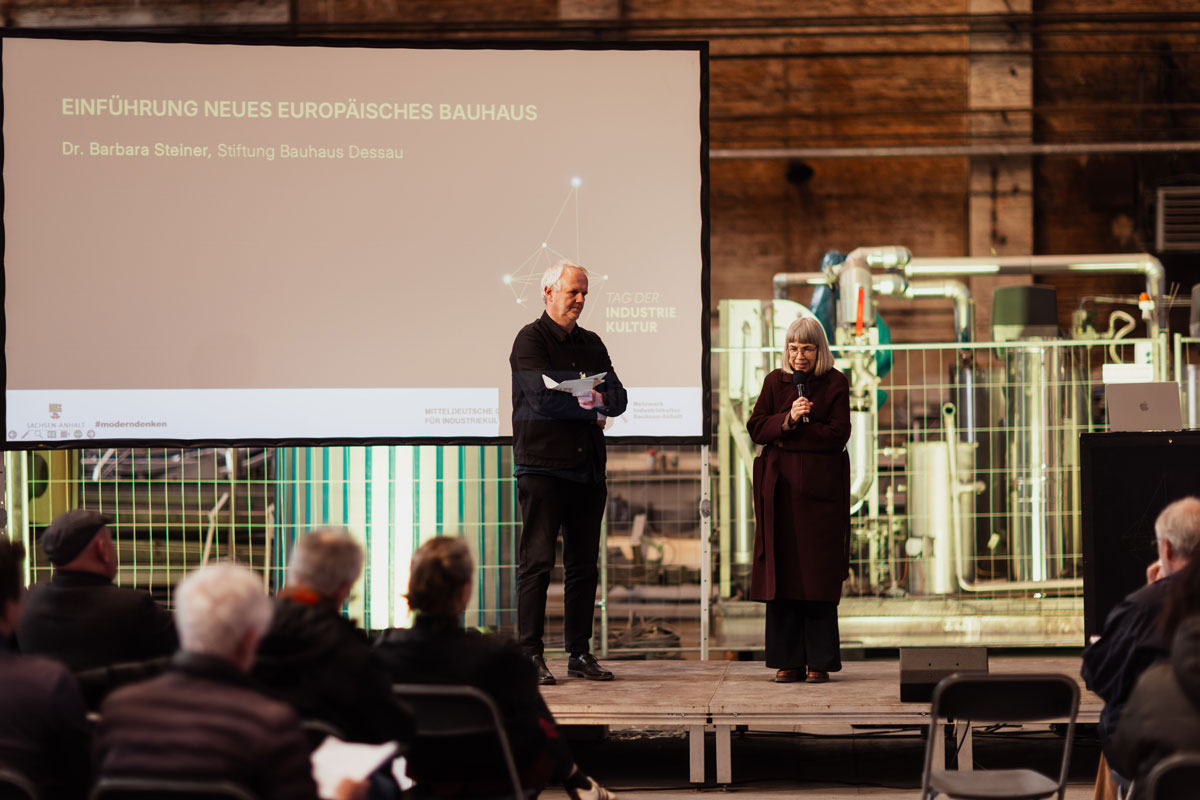
Around 150 guests had gathered to attend the state-wide launch and to hear a review of the work carried out by the “Saxony-Anhalt Industrial Heritage Network (NIK)” since its founding in September 2023. Industrial heritage, which is largely sustained by volunteers, has gained special significance and importance in the cultural landscape of Saxony-Anhalt. In his welcoming remarks, Robra paid tribute to Saxony-Anhalt’s long tradition as an innovative industrial hub: “Places like the Peter Behrens 'Kraftmaschinenhalle' or the Bauhaus Dessau stand for a close connection between economic and cultural progress that continues to influence our present day. This is one of the reasons why we are firmly committed to preserving and maintaining our industrial heritage.”
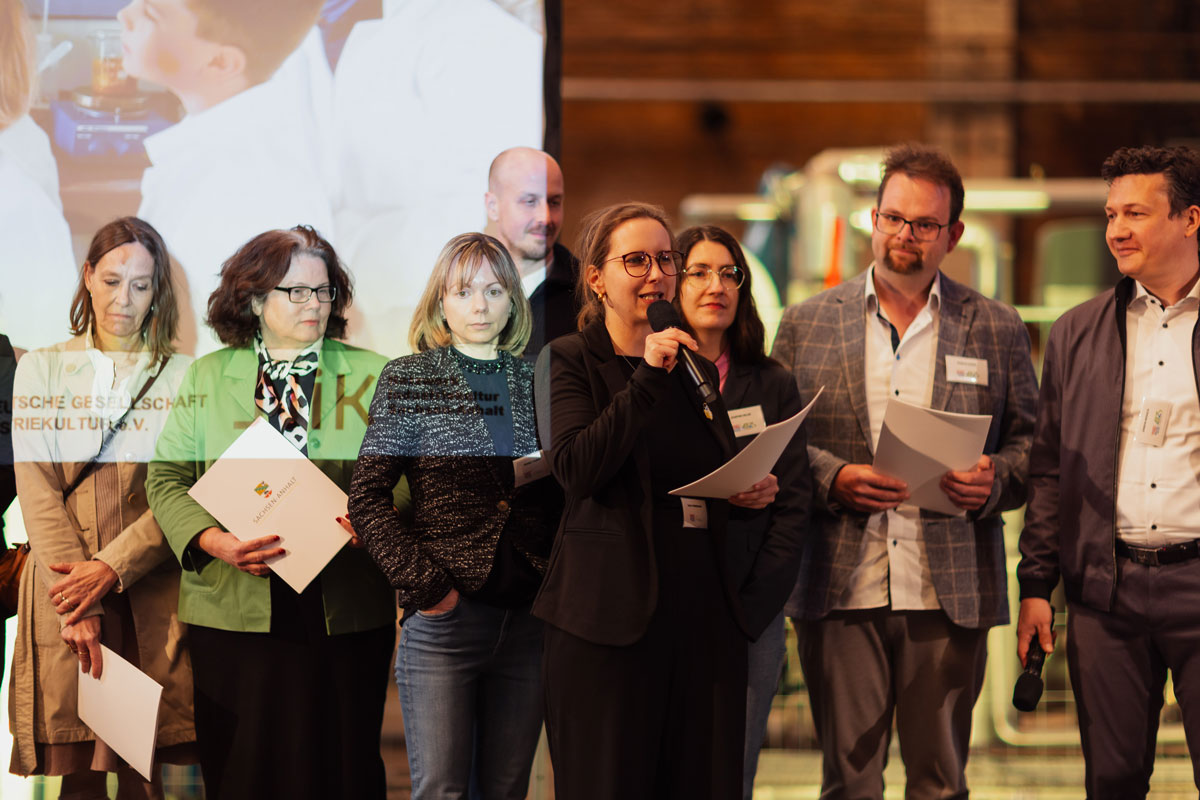
This served as a bridge to the state initiative “Saxony-Anhalt – Together for a New European Bauhaus (NEB)” and the NEB_PROJECTS, such as the “Real World Lab ZEKIWA Zeitz (RZZ)” presented by Werner Möller of the Bauhaus Dessau Foundation. The foundation is working here as a partner in the revitalization of the site of what was once Europe’s largest pram factory under the NEB_VALUES: BEAUTIFUL. SUSTAINABLE. TOGETHER. “A NEB_PROJECT par excellence,” as Katrin Kanus-Sieber, head of the NEB_NETWORKOFFICE, called it. The industrial heritage holds great potential for developments in a sustainable, aesthetic, and inclusive manner, just like those projects related to industrial culture that received their grant notifications on this day: “These are ambitious pilot projects. They are visionary and transferable to comparable challenges in other locations.”
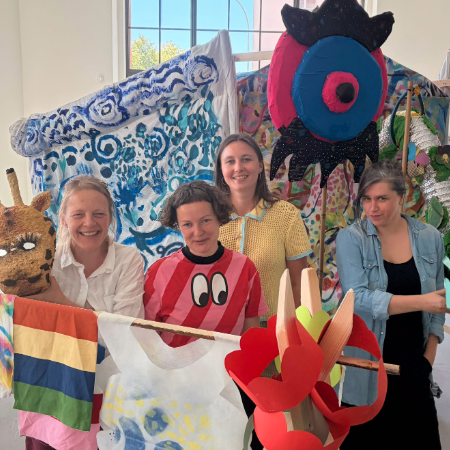
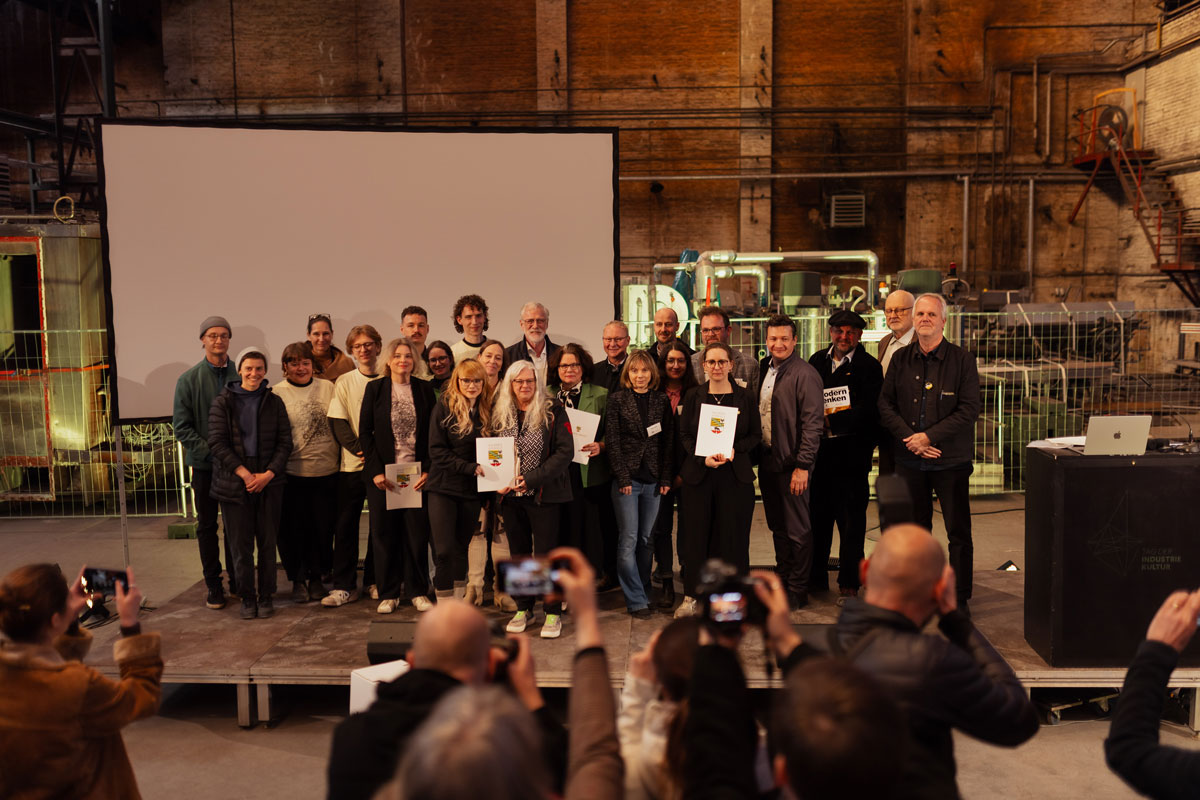
Das bunte Gruppenbild am Ende des Treffens stand für eine gewachsene NEB_FAMILY mit ihren neuen Mitgliedern sowie eine lebendige Industriekultur in Sachsen-Anhalt. #NeueBauhäusler sind generationenverbindend engagiert, um industrielles Erbe zu Innovationsgeneratoren zu machen. Fördermittelbescheide mit insgesamt rund 3,2 Mio. € wurden ausgereicht an: die „Forge of the Future:
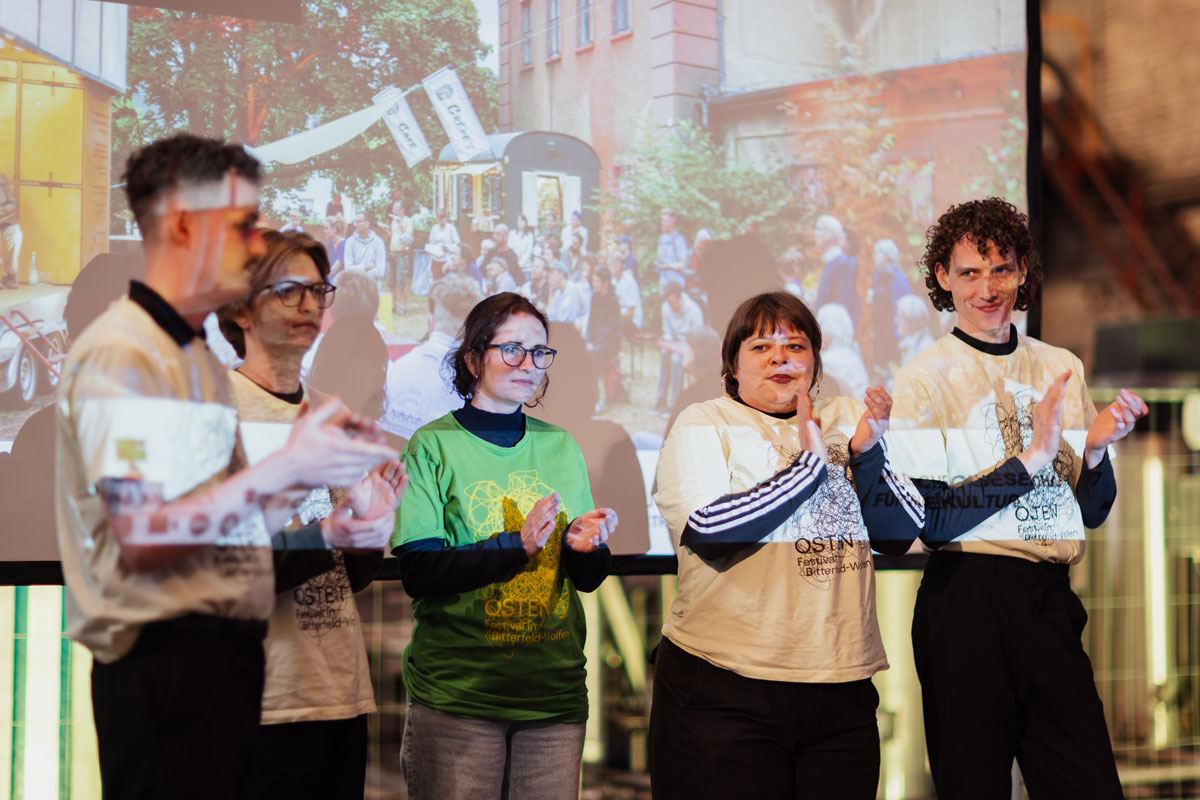
Industrial Culture — Youth Shaping Change“ mit den Verbundpartnern Bildungszentrum Wolfen-Bitterfeld e. V. und Forum Rathenau e. V., Bitterfeld-Wolfen, das Projekt „Ein Ort für die Industriekultur – ein Ort für die Zukunft, OSTEN Festival“ mit den Verbundpartnern Verein Jugendclub 83 e. V. und Kulturpark e. V., Bitterfeld-Wolfen, sowie „SALTSA – Zwischen Tradition und Transformation: kooperatives Entwicklungs- und Nutzungskonzept für die Saline: Stadt, Salz und Saale verbinden“ mit den Verbundpartnern Science2public e. V., Halle (Saale), und Stadt Halle (Saale).
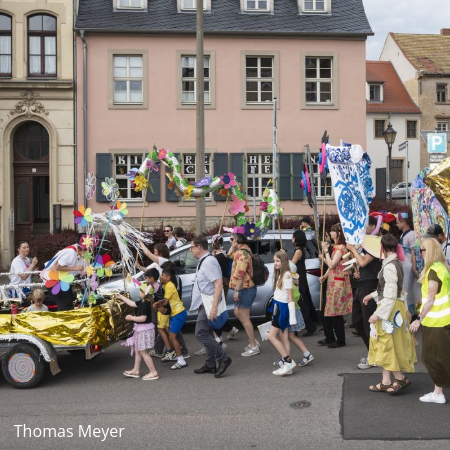
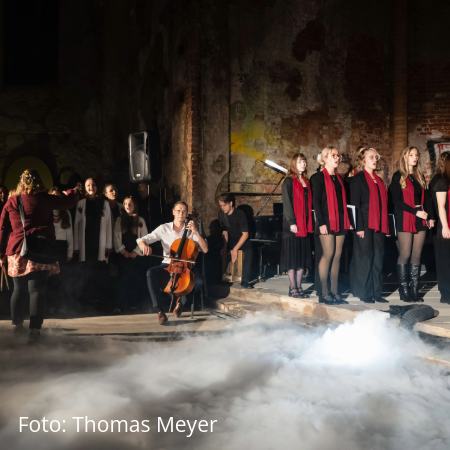
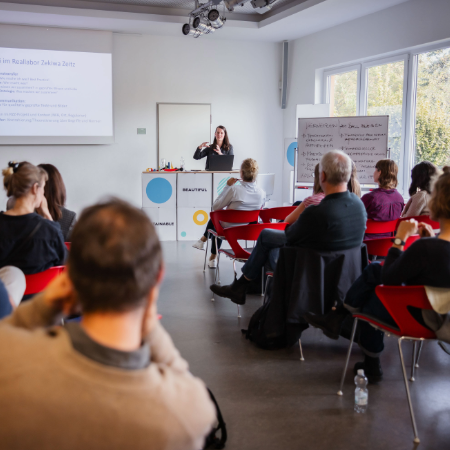
Impressions
pictures: TRANSMEDIAL