Project Name:

Along the Iron Track – Industrial Heritage from Halle (Saale) to the Brocken

You are currently viewing a placeholder content from Google Maps. To access the actual content, click the button below. Please note that doing so will share data with third-party providers.

More Information
Project details:
Project Partners:
1. KulturErbe Mansfeld-Saaletal e.V.
2. Freunde der Halle-Hettstedter Eisenbahn e.V.
Project Type:
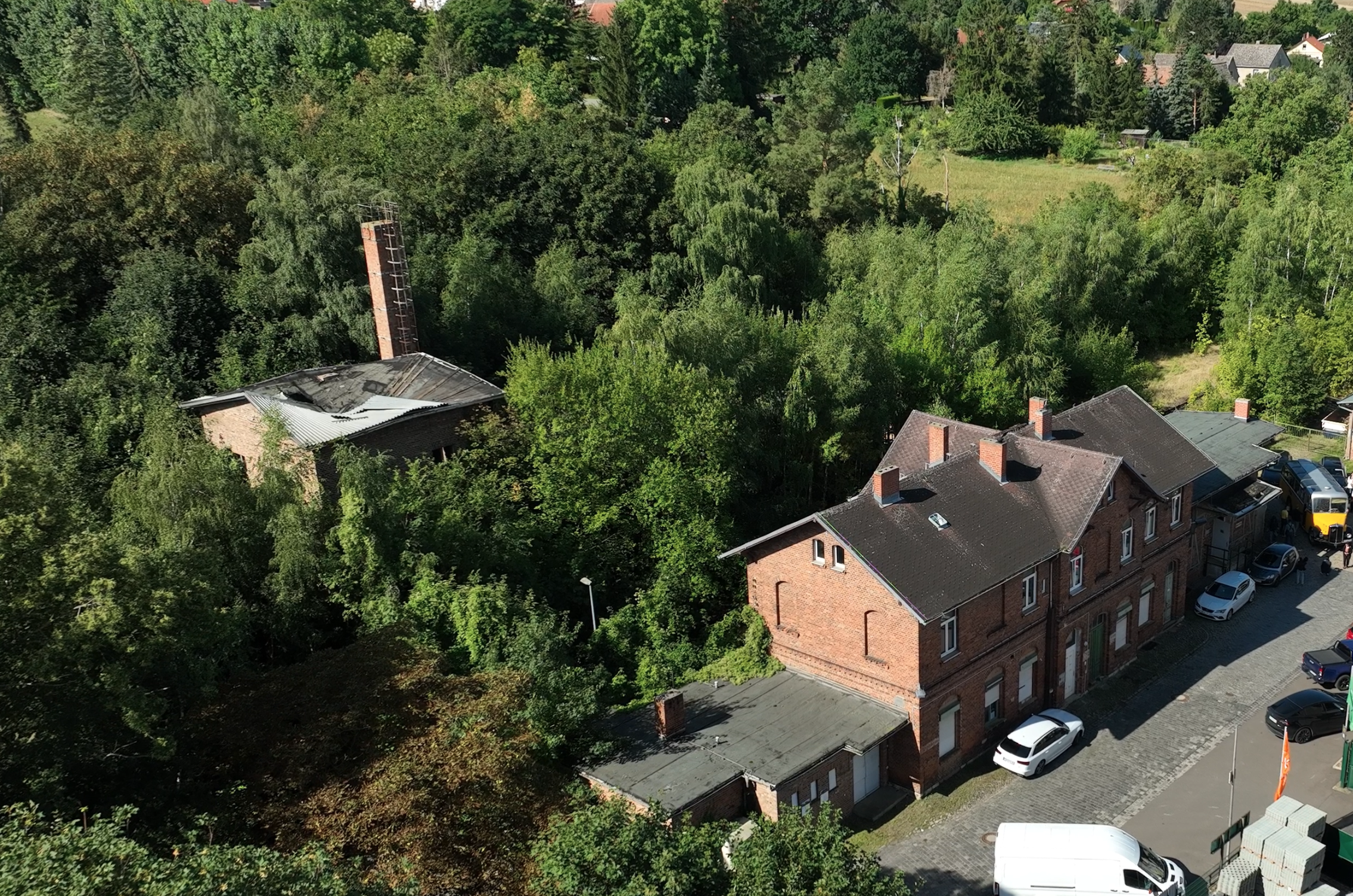
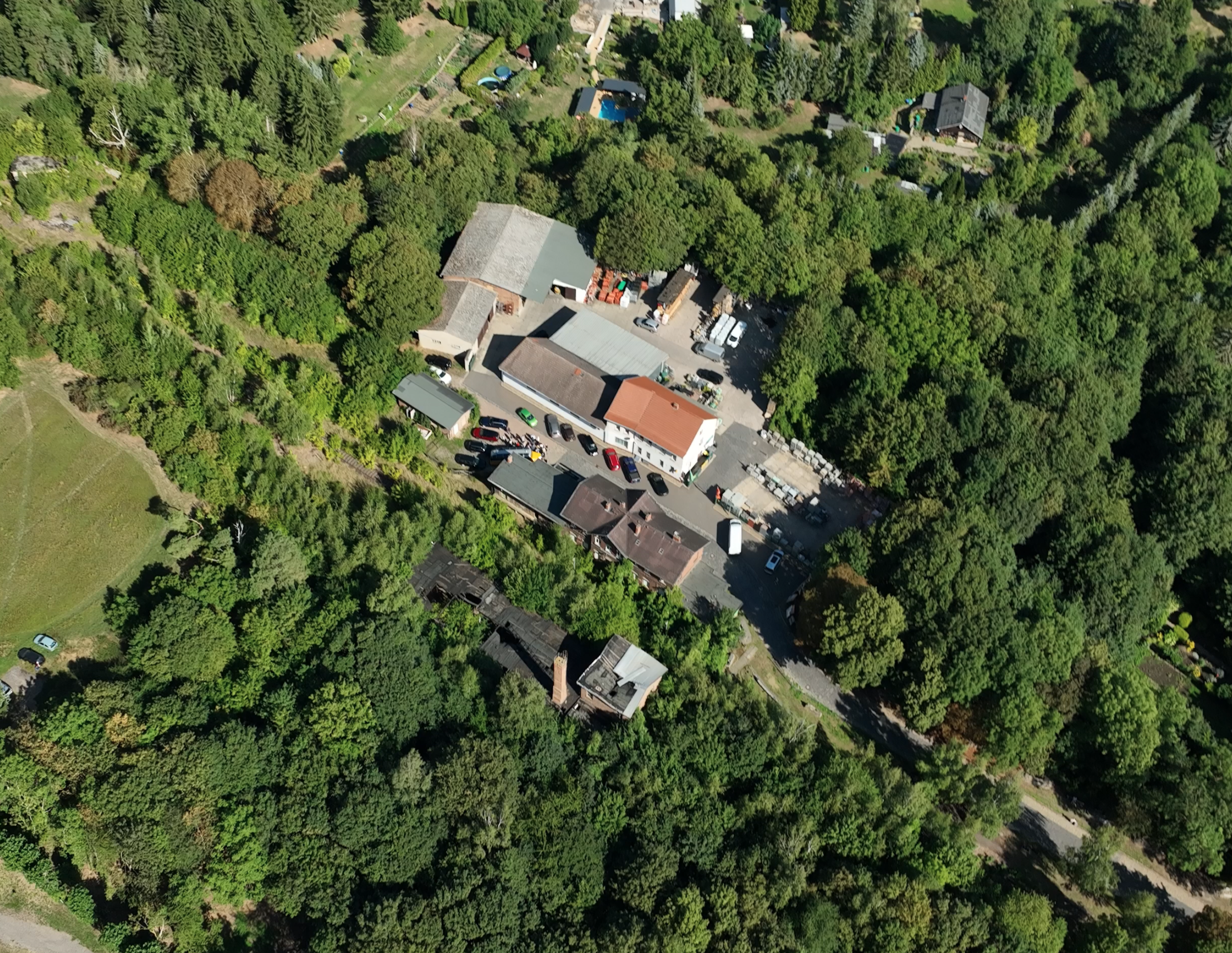
Preservation of the locomotive maintenance shed at Gerbstedt railway station / Networking of industrial heritage and cultural-historical sites / Regional identity / Educational programmes / Tourism
Size of property: 12,167 square metres
Project Duration: 2026 – 2027
Contact:
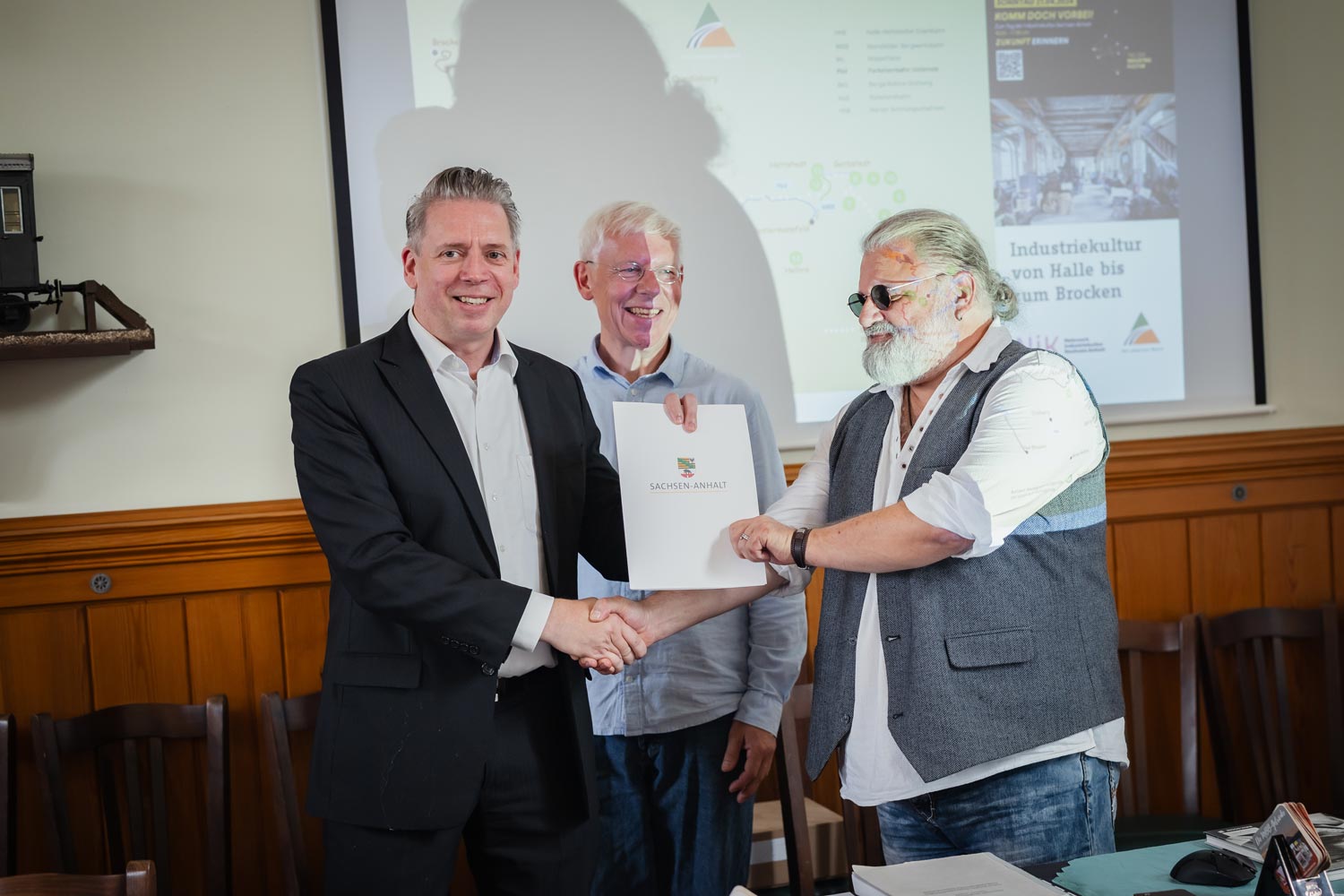
Ringo Skibbe

Project Description

The “Iron Track” runs along seven listed railway lines between Halle (Saale) and the Harz : the Halle–Hettstedt Railway, the Mansfeld Mining Railway, the Wipperliese, the Vatterode Park Railway, the Rübeland Railway, and the Harz narrow-gauge railways comprising the Selketal, Harzquer and Brocken railways. These railway lines form the backbone of a cultural land-scape that has been shaped over centuries by mining and metallurgy and which was opened up during the industrialisation era via these railway lines.

With the end of mining and metallurgy, numerous artefacts of the region’s industrial heritage have been lost in recent decades. Many individual stakeholders in the region are working to preserve the remaining artefacts of industrial history. The project brings the history and pre-sent of this landscape back into view and makes it a living experience. Along the listed railway lines of the Iron Track, existing cultural and heritage sites and stakeholder groups are being linked together and supported by a range of digital and analogue initiatives.

Project Goals

The project aims to preserve and research the material and immaterial heritage of industrial culture between Halle (Saale) and the Brocken, and to make it accessible to future genera-tions. Historical sites, technical monuments and people’s stories are to be highlighted as part of a shared regional identity.

The plan is to establish a network hub that will act as an anchor point and hub between the many committed individuals, existing institutions and planned projects, such as the Halle Fu-ture Centre.

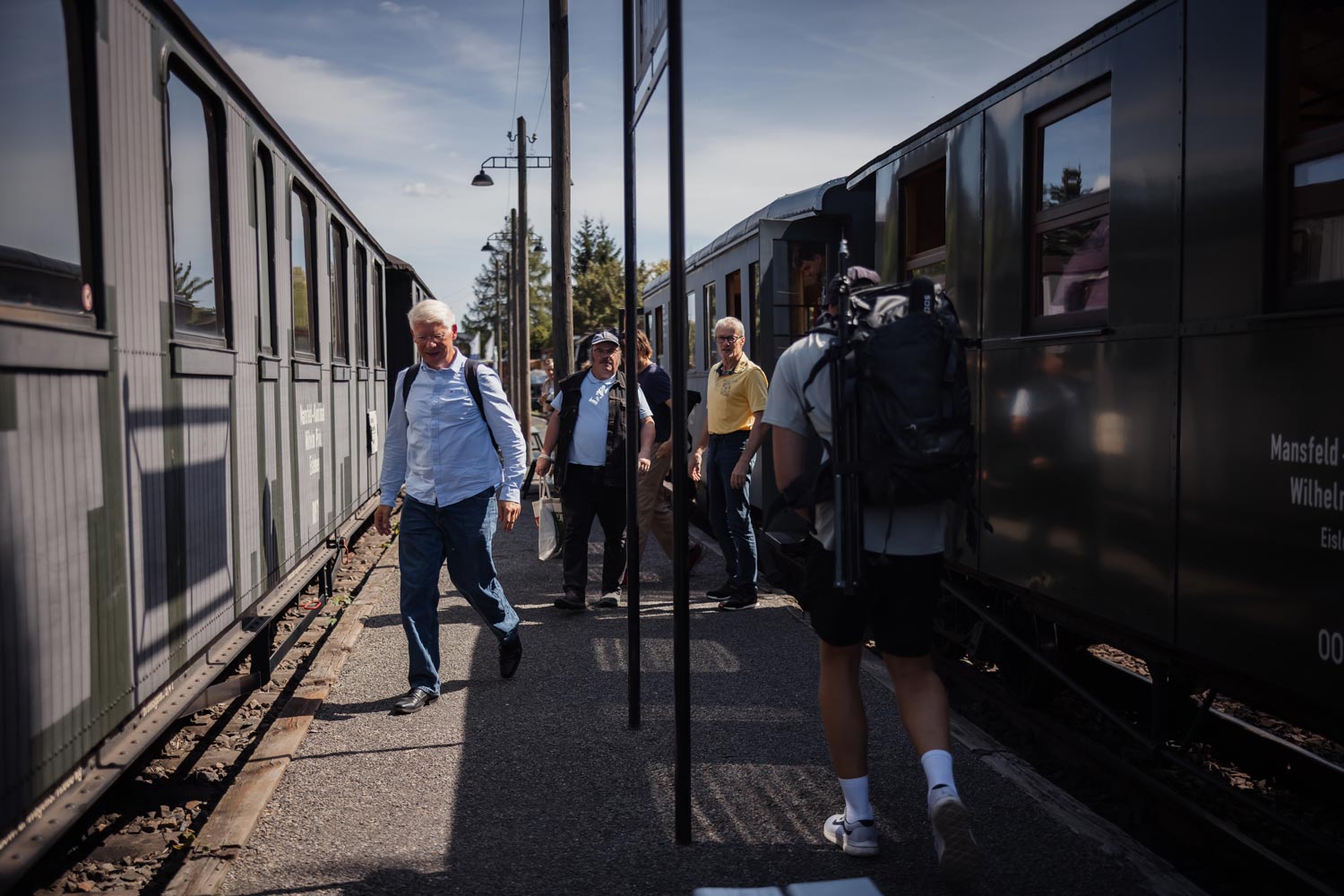
Part of the funding covers the further development of the ‘Am Eisernen Band’ app and web-site, and aims to develop tourist experience routes as well as new formats that will link historic railway vehicles, buses and sites of industrial heritage.

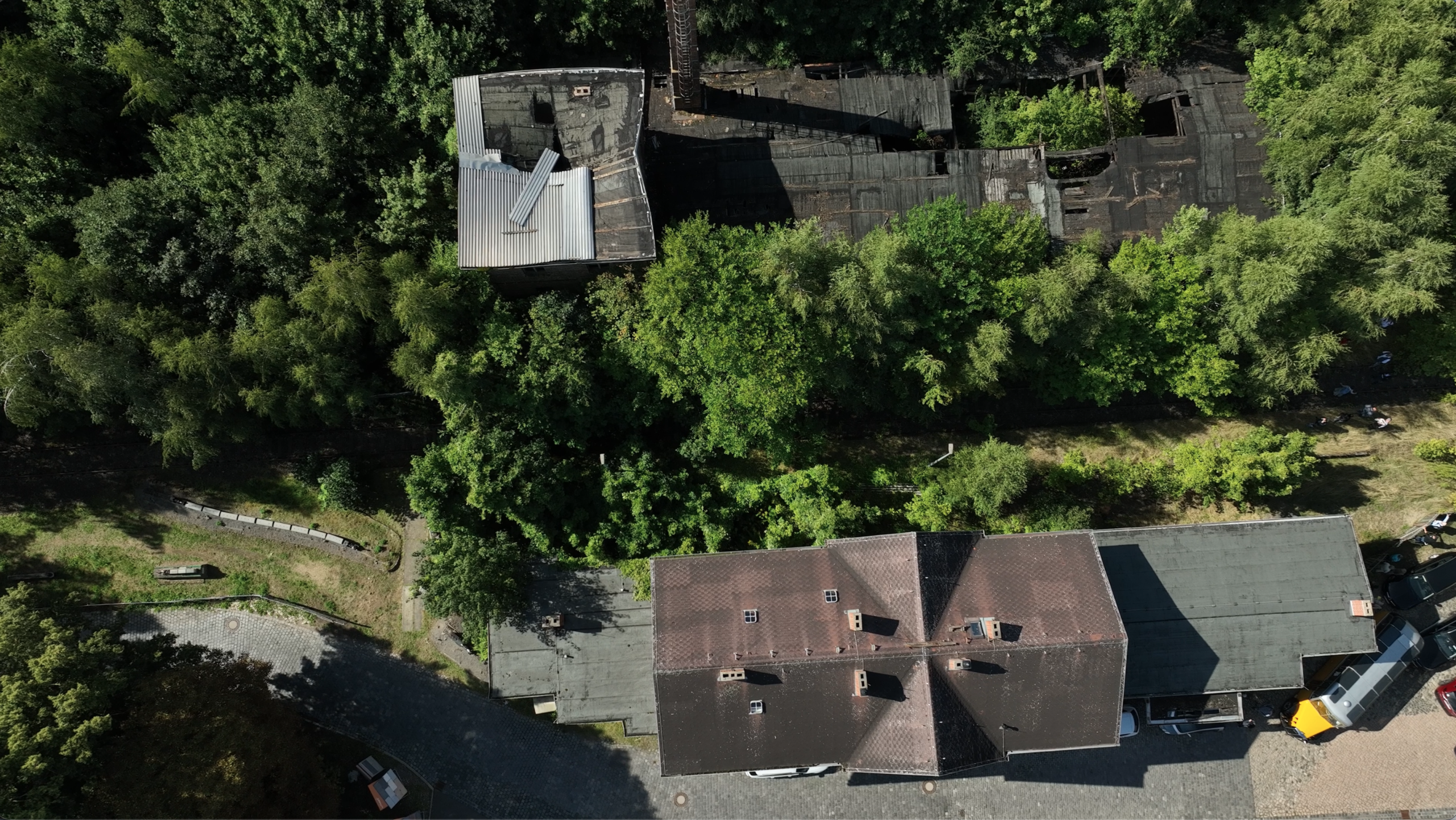
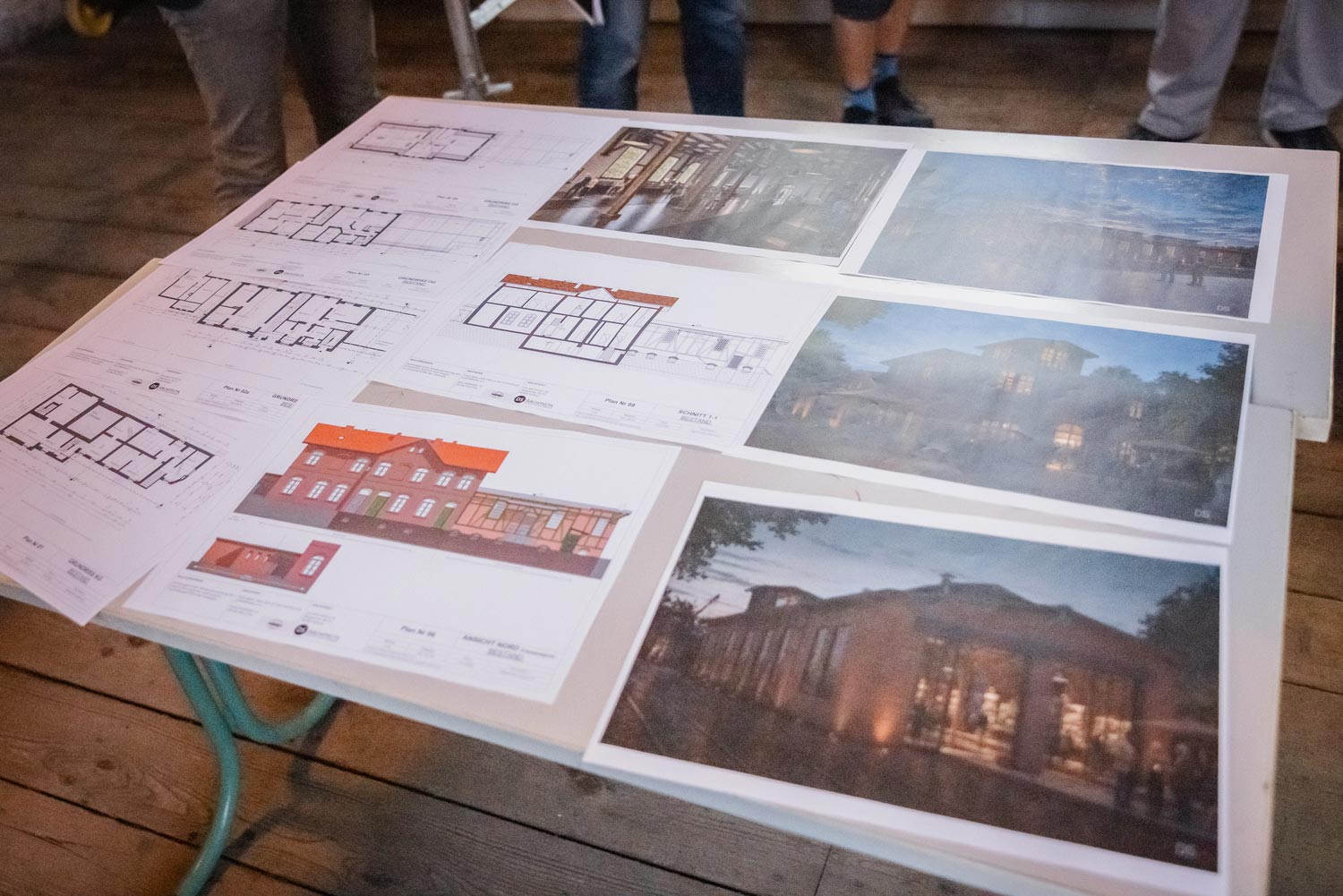
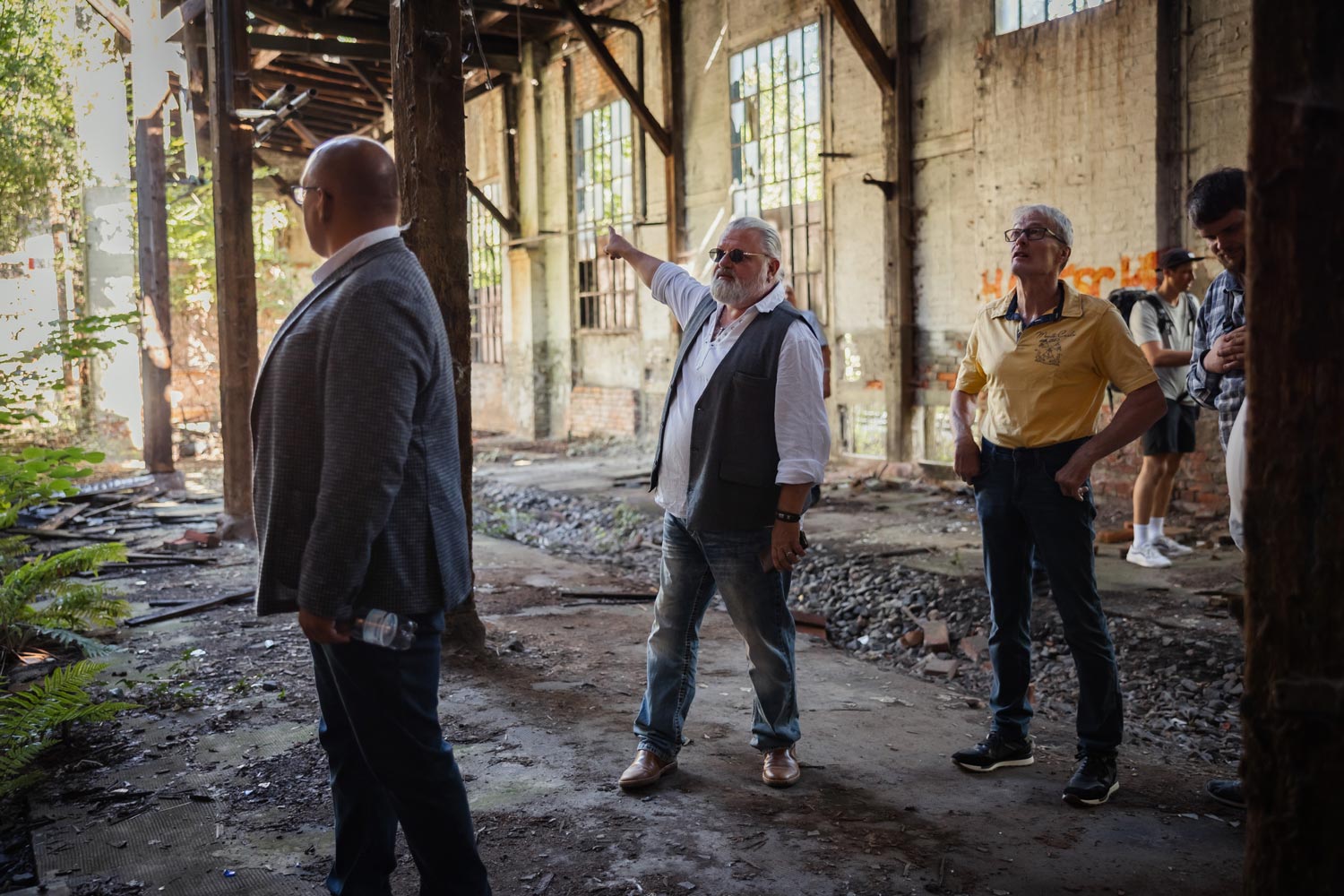
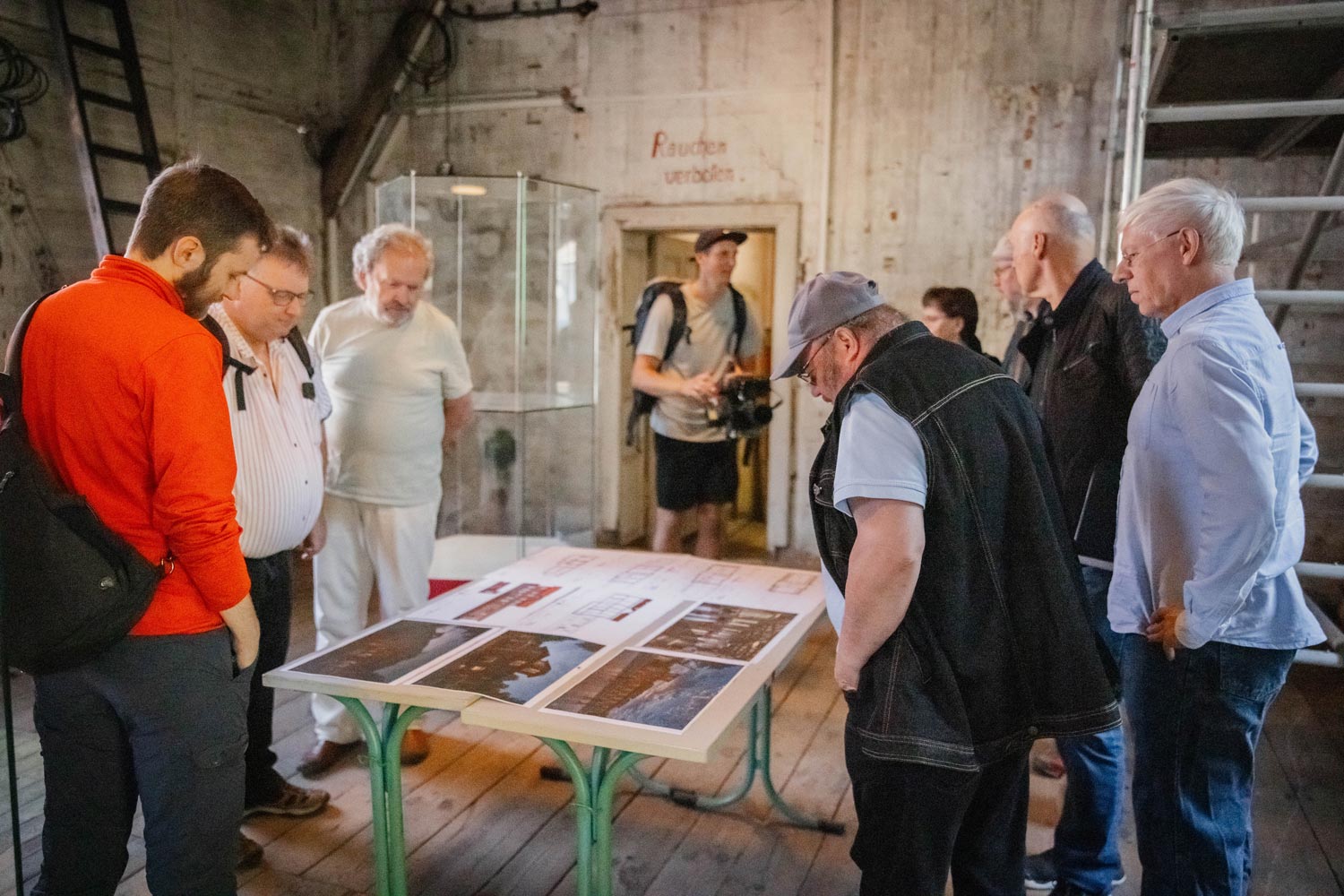
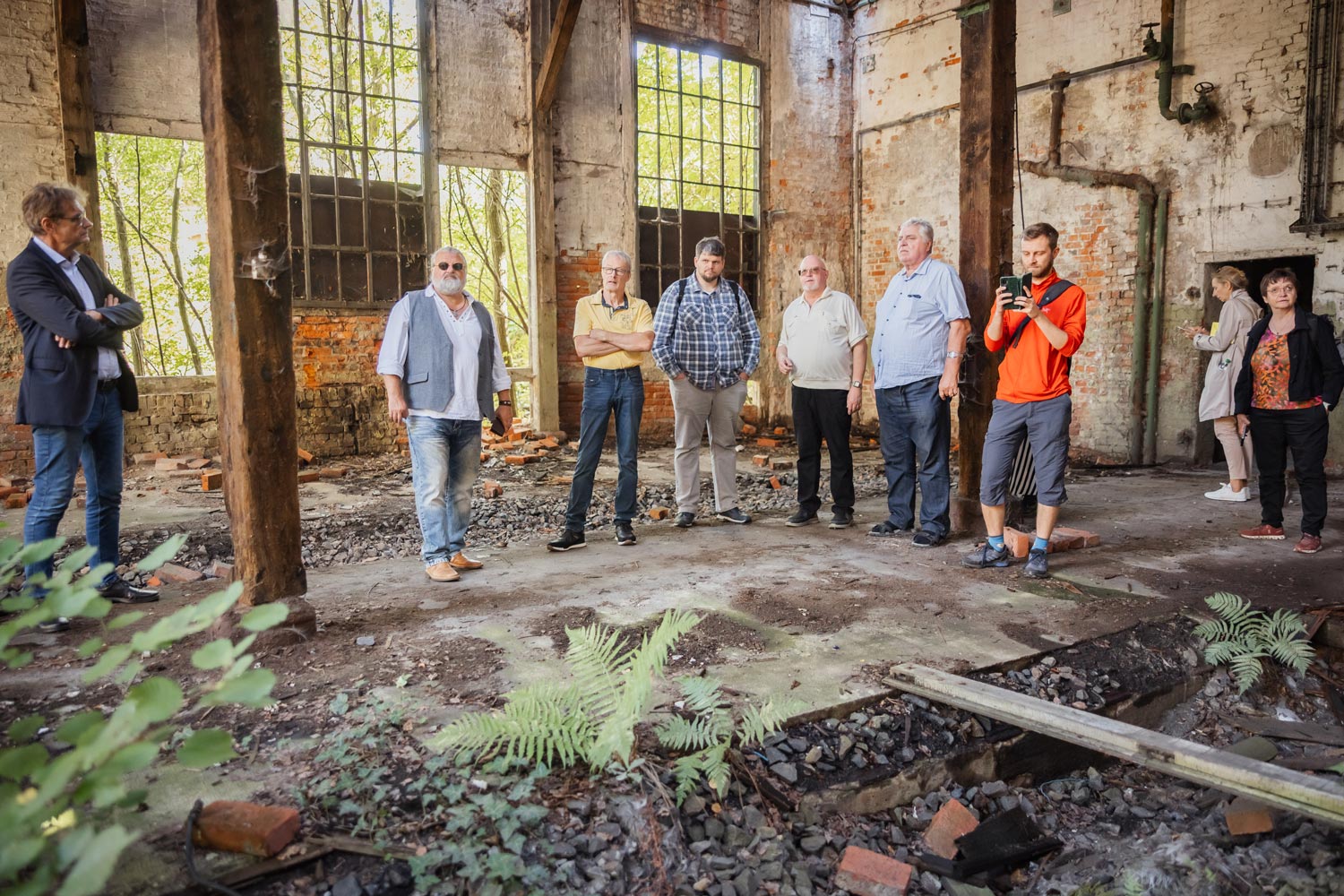
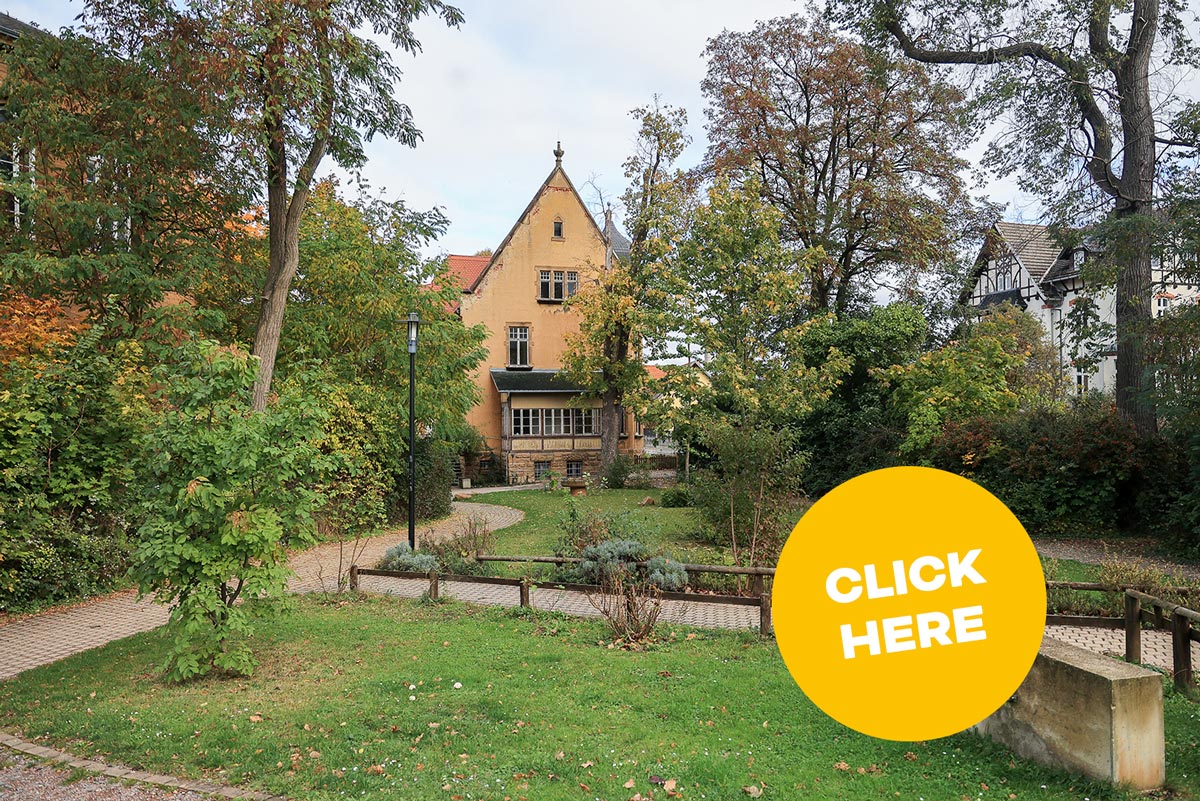
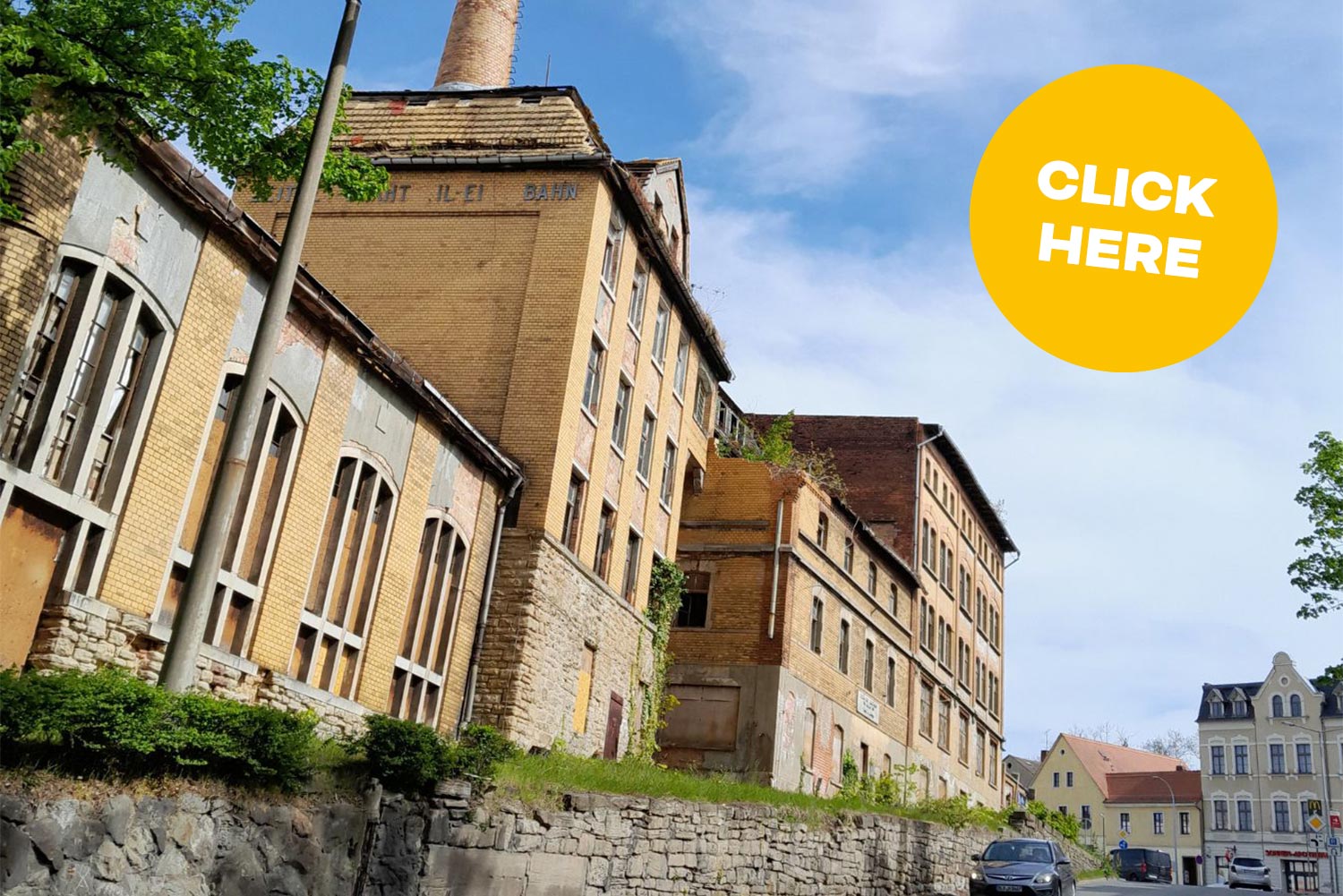
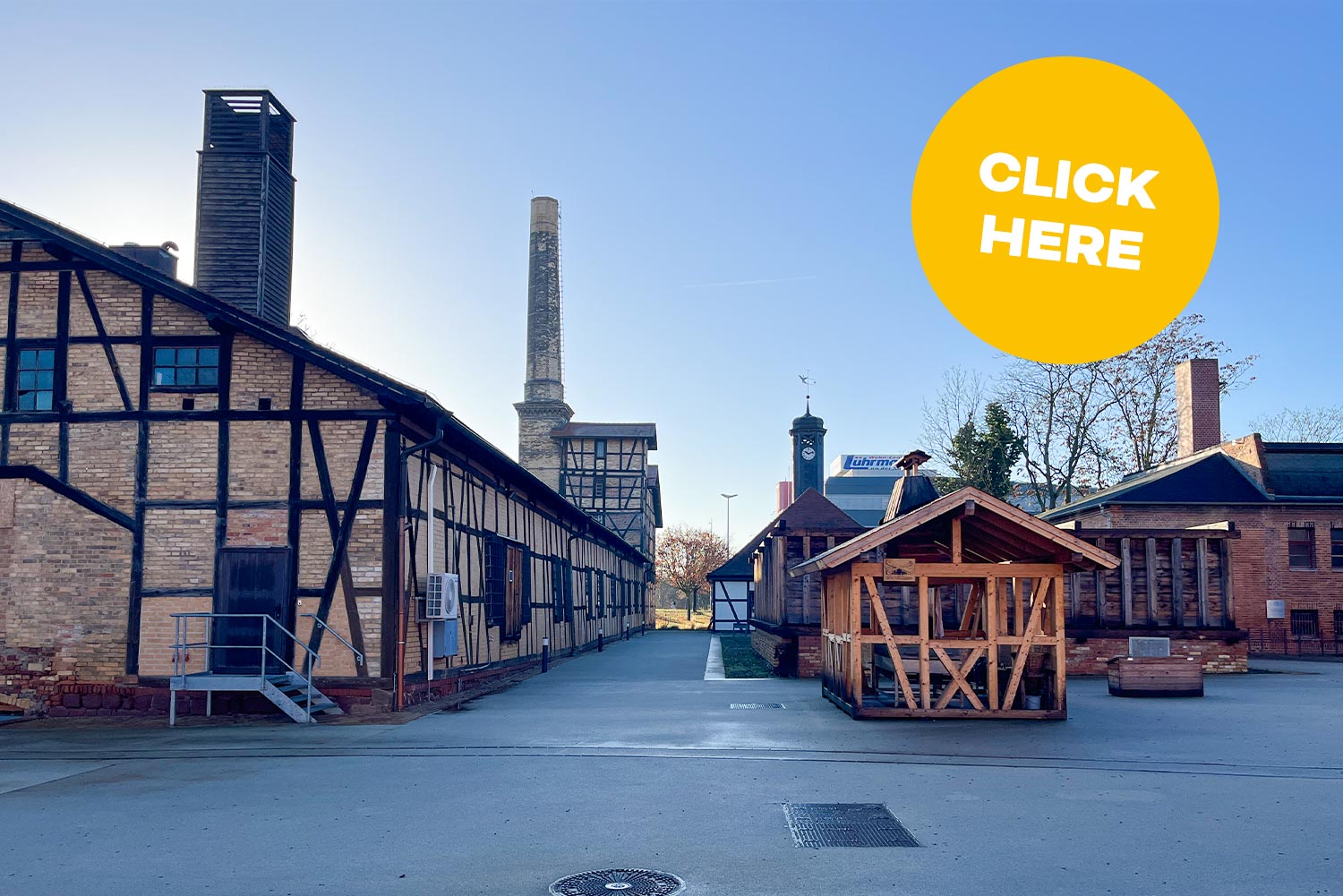
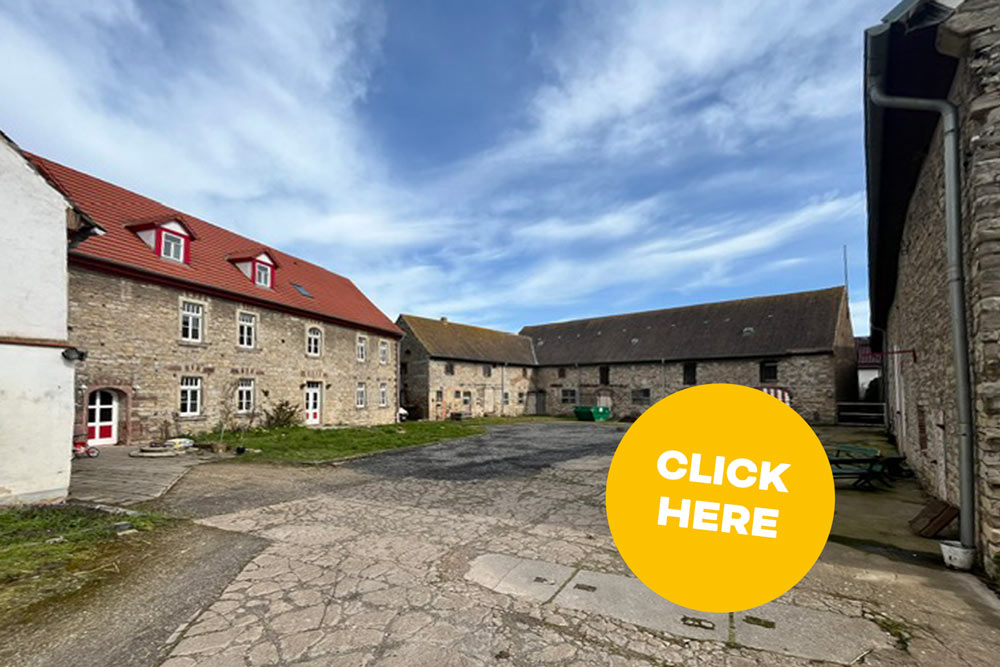
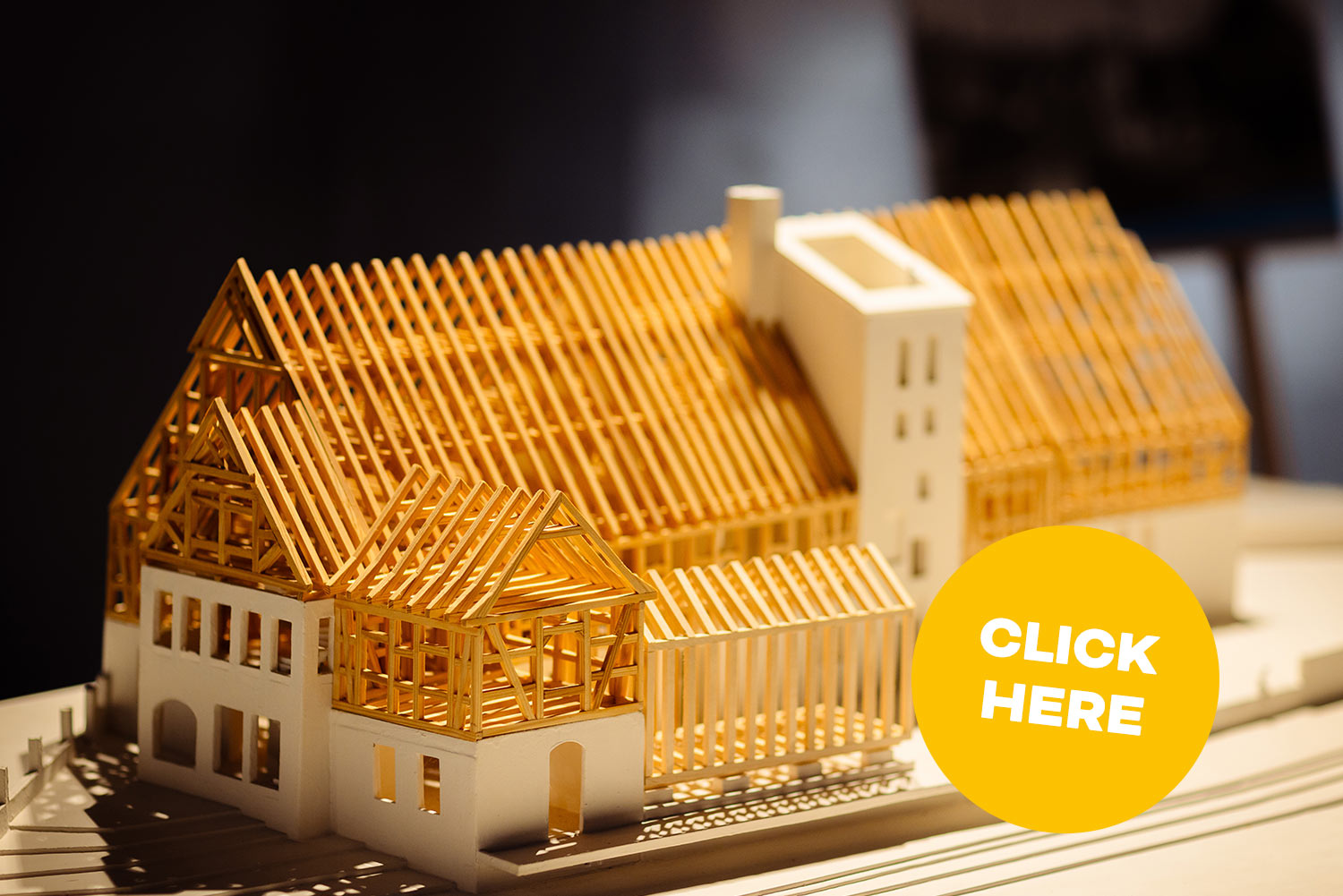
The structural preservation and development of the restoration plan for the locomotive shed in Gerbstedt is another key focus of the project. The future meeting, information and documen-tation centre will serve as a central hub where knowledge can be pooled, networks strength-ened and the diverse offerings of the industrial heritage region presented collectively. In this way, a vibrant network will emerge that preserves the past whilst simultaneously providing impulses for the region’s future development. 

At the Iron Track, industrial heritage is seen not merely as a reminder of the past, but as a resource for the future. The project forges links between culture, education, tourism and civic engagement, and brings the region’s history of transformation to life as a vibrant part of its present.

Project impressions

Criteria according to the NEB_Compass

Ambition III: to integrate
At the heart of the project is networking, which brings together stakeholders in industrial heritage through collaborative work and publicly accessible outcomes such as themed trails and the Experience Card. In doing so, participants reflect on their way of life by reinterpreting their region’s industrial heritage as part of their own biography and identity, and by consciously tracing the processes of transformation linking the past, present and future – for example, along the trails of the Centre for the Future of German Unity and European Transformation in Halle (Saale), with the BIDZ Gerbstedt serving as the central hub. This way of life is reshaped in concrete terms through sustainable mobility and leisure choices – such as using public transport-supported experience routes instead of private transport – as well as through a shift from passive consumption to active civic engagement. As new, fulfilling habits include the regular exchange of experiences and participation in workshops at the Meeting, Information and Documentation Centre (BIDZ), voluntary involvement in the preservation and promotion of the heritage sites, and the ongoing discovery of previously unknown locations along the Iron Track. These habits are fostered through reliability and low barriers to entry: regular meetings, digital formats, World Cafés and special trips create recurring opportunities that foster a sense of belonging and organise support for all those involved. Future user needs are systematically taken into account by the BIDZ, which, as an out-of-school learning centre, introduces children and young people – in cooperation with the Halle Career Training Centre and the Saline Technikum Halle – to changing working environments and future-oriented career profiles, thereby facilitating career choices. In the long term, this process of matching needs will be institutionally embedded through surveys with residents, BIDZ visitors and participants in the special trips, half-yearly information events with evaluations, and the flexible adaptation of the network’s objectives; it will be safeguarded by the gGmbH as the permanent operating body. The positive impact on the participants’ lives is evident in a strengthened sense of identity, a sense of belonging and social cohesion under the motto “THIS IS WHO WE ARE” – in response to the loss of identity in the region that has been evident since 1990. Lives are also transformed through equal participation regardless of background, age or disability; through the recognition of the value of informal, experiential knowledge alongside academic research; and through audiovisual eyewitness accounts that facilitate intergenerational encounters.
Ambition I: to repurpose
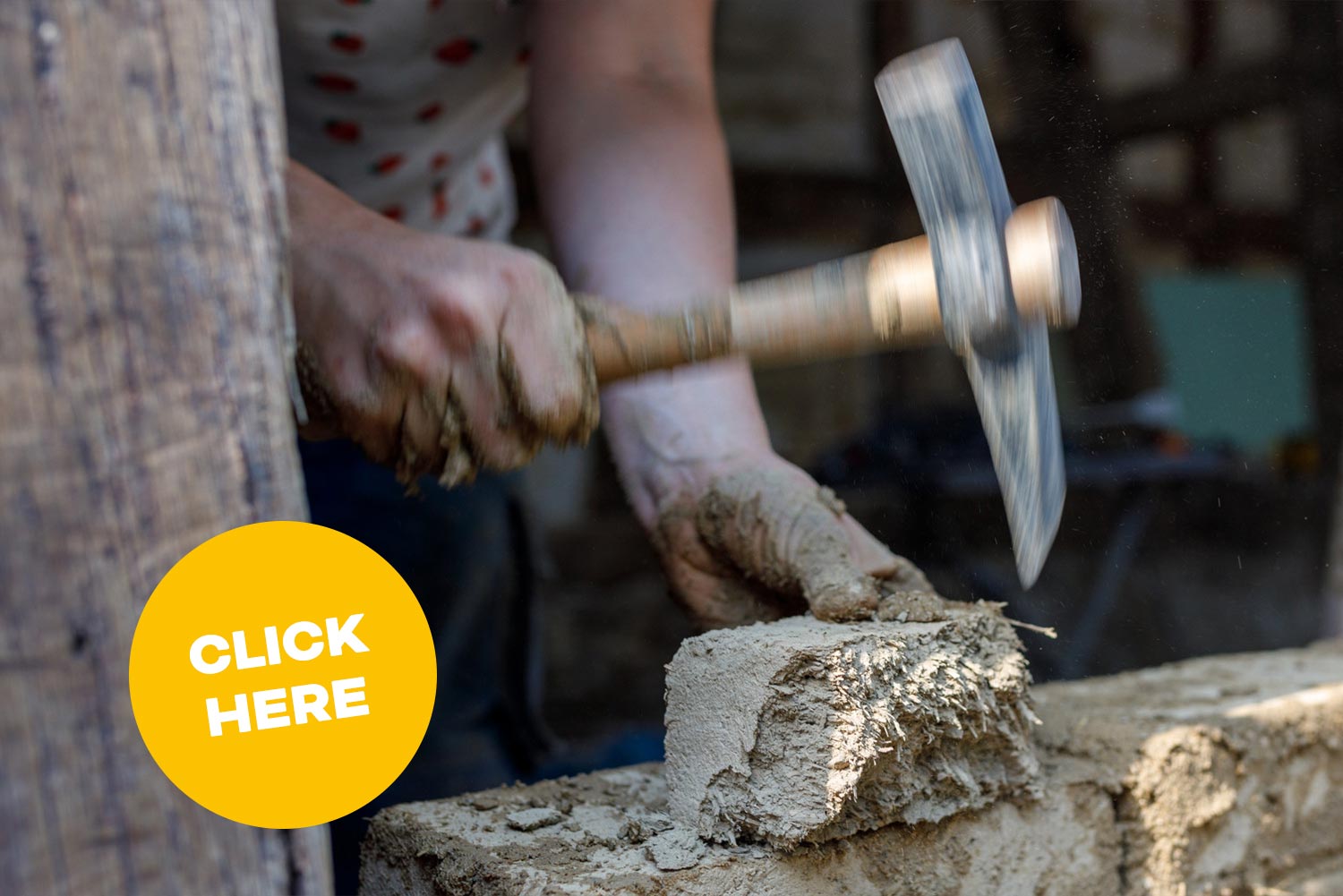
The repurposing of the locomotive shed will preserve and transform a vacant historic building. Plans for the refurbishment of this listed building envisage the reuse of historic building materials. Other remnants of mining and metallurgy that have faded from public consciousness in recent decades are to be ‘revitalised’ as part of the project. Furthermore, there are plans to develop sustainable services and products that demonstrate to residents and visitors the impact that the local industrial culture has had on people and their lives. As part of the planned discovery trails, individual and group activities are to be created that also make use of existing public transport services. Conversely, an AEB bus route could be developed along a discovery trail to complement daily public transport as an additional mobility option. Here, too, stake-holders would be involved in line with their areas of expertise (e.g. local public transport op-erators). Furthermore, the possibilities for utilising geothermal energy, incorporating underground mining facilities, are to be examined in collaboration with relevant partners (e.g. Merseburg University of Applied Sciences).
Ambition II: Consolidate
Collaboration and participation are open to all interested partners, as well as to residents and visitors, regardless of gender, skin colour, ethnic or social background, religion or belief (in accordance with our Basic Law), ability, any disability, age or sexual orientation. The involvement of minority groups is expressly encouraged. Their cultural diversity is understood and regarded as an enrichment. These forms of participation strengthen the bonds within civil society. The tours include, for example, journeys ‘in the footsteps of Luther’ as well as ‘in the footsteps of the Jewish faith’. Regardless of any external circumstances or influences, every-one is offered the opportunity to participate in this network on an equal basis. Members of minority groups are also expressly encouraged to get involved. Ultimately, what matters is an interest in the network. Involving people with diverse life experiences and social backgrounds has a positive impact on the network’s progress and development, as it introduces perspectives that may previously have been considered irrelevant. For example, all stakeholders are working together on a comprehensive brochure that presents these sites of industrial heritage to the public in an accessible way. Cooperation in the field of tourism therefore forms the basis for further strategic considerations and the expansion of the circle of contributors.
Ambition II: Co-creating
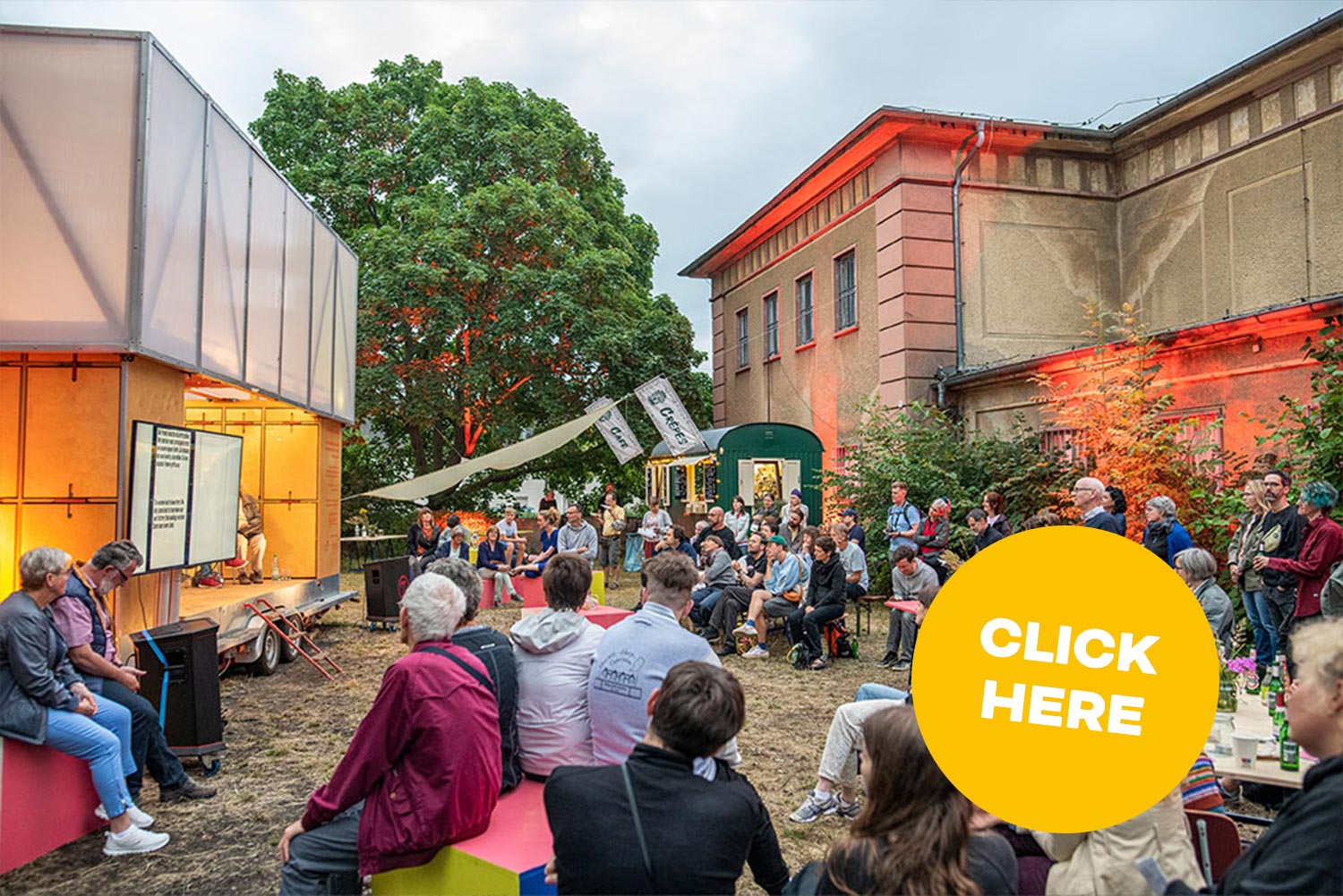
In line with a participatory approach, residents, associations, cultural stakeholders and visitors are actively involved in developing the plans for the implementation of the future community centre and new initiatives. Through idea workshops, discussion forums and collaborative projects, a network is created that strengthens regional cohesion and opens up new perspectives for sustainable development. The participants are the driving force behind the network and are involved on an equal basis in the formulation and implementation of the objectives. As a community, they plan, make decisions and implement the network’s objectives. Regular meetings, digital formats and other common means of communication ensure two-way communication.

Surveys will also involve local residents, visitors to the BIDZ and participants in the special ‘adventure route’ tours. This facilitates an exchange of experiences not only amongst the stakeholders themselves, but also with local people and those who make use of the services on offer. This helps to foster a sense of regional identity. The gGmbH, founded in 2019, is to become the network’s permanent operating body. The shareholders and cooperation partners represented here in future will be both decision-makers and those bearing responsibility, and will jointly manage the processes defined by the network. The proposed project implementa-tion marks the start of the network project’s realisation. This process is open-ended and dynamic. The long-term continuation and strengthening of grassroots initiatives is to be ensured through the planned partnership.
Ambition II: Working Across Levels
The project encompasses the area ‘from Halle (Saale) to the Brocken’, involving the city of Halle (Saale), the Saalekreis district, the Mansfeld-Südharz and Harz districts, and the southern part of the Salzlandkreis district. Accordingly, the network operates locally but has an impact within the specified supra-regional area. As a multi-level project, it links local networks (e.g. Mansfelder Kupferspuren – Central German Lignite Route, Am Eisernen Band – Saxony Steam Railway Route, West Harz Mining Regions World Heritage Site – Erzgebirge/Krušnohoří Mining Region World Heritage Site) by incorporating corresponding regions beyond its geographical scope and pooling supra-regional expertise.

Thus, the members of the AEB project group, established in 2024, include one representative each from the Saxony Steam Railway Route and the Förderverein Besucherbergwerk Fortuna e. V. Solms-Oberbiel.
Ambition III: “beyond” disciplinary
The railway infrastructure serves as the basis for both interdisciplinary and inter-municipal or regional cooperation between various sites of industrial heritage and beyond. The network plans to make processes of transformation – past, present and future – visible and tangible along selected routes. This is linked to knowledge-building and a culture of innovation. Non-formal knowledge partners are to be continuously involved in this process as part of the ideas workshops regularly planned at the BIDZ, such as the Mansfelder Berg- und Hüttenleute e. V. association and the Association of German Engineers (VDI e. V.). The thematic focus here is on mining and metallurgy, engineering, climate-neutral energy use and environmental education. Audiovisual eyewitness statements will be incorporated into the planned documentation at the BIDZ. Cooperative and dialogue-oriented formats are planned, in which knowledge is not only imparted but also generated. Formal and informal knowledge are given equal weight in the development of the site’s potential (e.g. research into geothermal utilisation possibilities of former underground mining facilities), as knowledge derived from research and knowledge gained from decades of professional and voluntary work are equally valuable. By actively involving all experts and formulating common goals in workshops, practical and application-oriented solutions are developed. The network draws on all disciplines and informal knowledge within the region. There have been, and continue to be, numerous cross-links between sectors and locations along the ‘Eiserne Band’. The merging of these different fields of knowledge takes place as a collaborative process within transdisciplinary cooperation. The aim is to establish a think tank that draws on this vast potential and connects the region’s history with the future in a highly innovative way, with broad societal support.
NEB-Kompass Am Eisernen Band
This is how it works:
NEB-Compass (PDF)

Durchführung

Verwendete Tools mit Darstellungen des Arbeitsprozesses

Weitere Projekte