Project Name:

Burgenlandkreis Local History Researchers Network. Collectively digitalizing and cataloging industrial heritage

You are currently viewing a placeholder content from Google Maps. To access the actual content, click the button below. Please note that doing so will share data with third-party providers.

More Information
Project details:
Project Partners:
1. Förderverein zum Aufbau des Dokumentationszentrums IndustrieKulturlandschaft Mitteldeutschland e.V. (DOKMitt e.V.)
merve.luehr@dokmitt.de
2. Landesheimatbund Sachsen-Anhalt e.V. (LHB)
palatini@lhbsa.de
Project Type:
Professionalization of Volunteer Structures / Collective Knowledge Repository / History of Transformation
Size of property:
Project Duration: 2026 – 2027
Contact:
Sabine Hollmann
Project Staff Member, DOKMitt e.V.
Phone: 0151 177 155 04,
Dr. Martin Ehrler
Project Staff Member, Landesheimatbund Sachsen-Anhalt e.V.
Phone: 0179 222 79 45,

Project Description

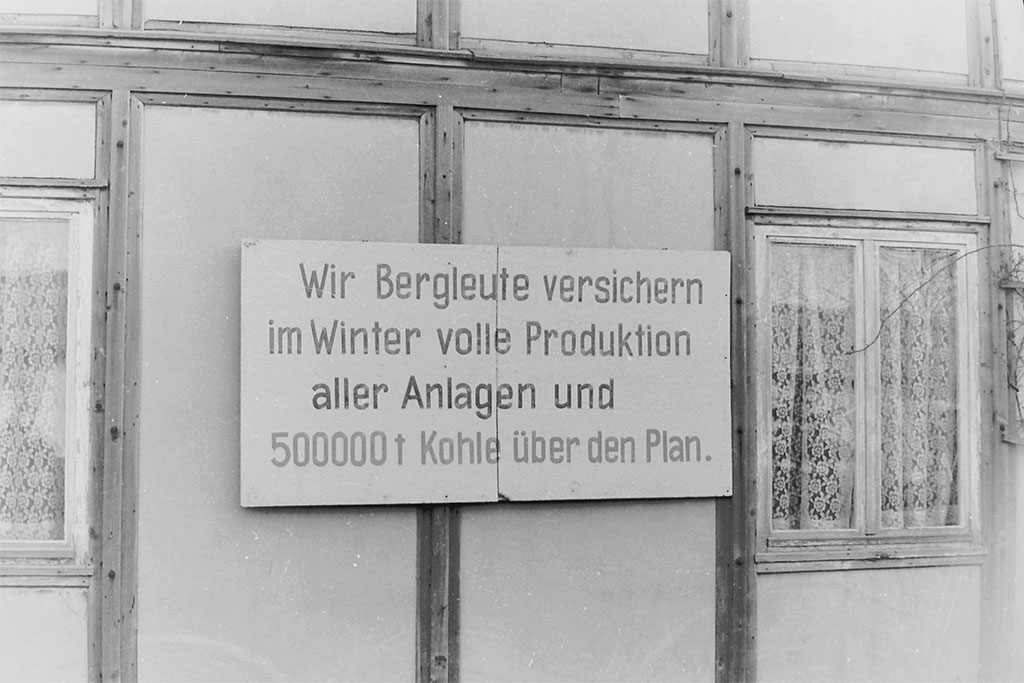
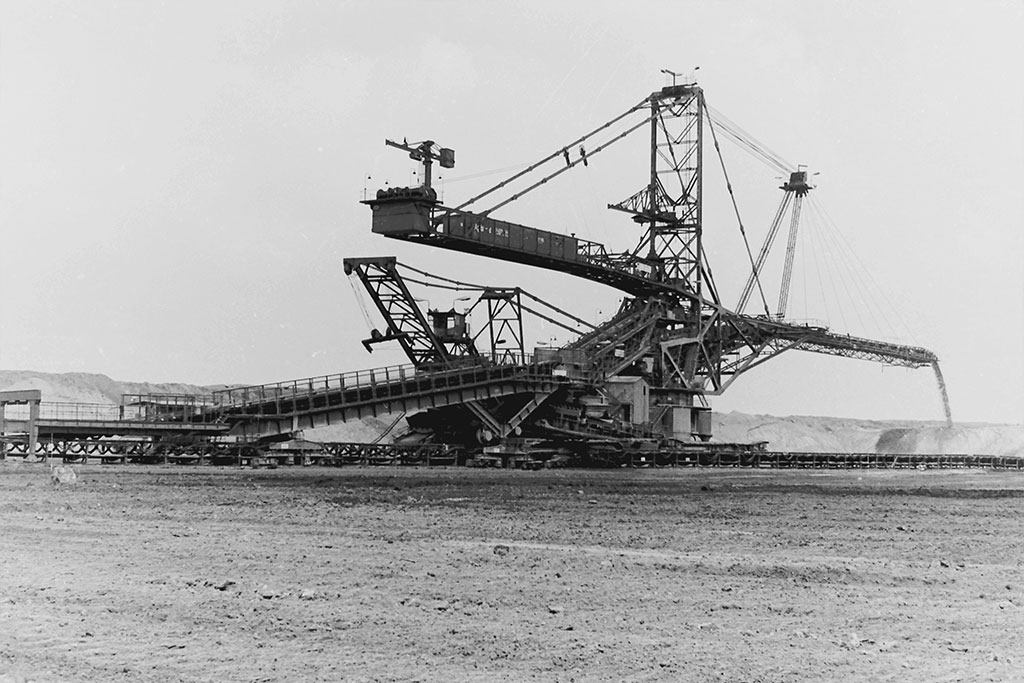
To this day, the Burgenlandkreis is strongly shaped by its past as a brown coal-mining region, yet many records of this history—photographs, chronicles, memoirs, and artifacts—have not yet been systematically cataloged or preserved for the long term and are at risk of being lost. This is particularly evident in the extensive, largely unprocessed photo collection of the Deuben Mining Museum, as well as in numerous local and school chronicles, which provide key insights into the social and economic transformation processes in the region since the 19th century. At the same time, there is a lack of reliable structures to preserve, catalog, and make this knowledge accessible in collaboration with local stakeholders—a need that has also been clearly articulated by dedicated local historians themselves.

This is where the collaborative project between Landesheimatbund Sachsen-Anhalt e. V. and DOKMitt e. V. starts, by bringing together existing collections, local knowledge, and civic engagement and integrating them into a shared working framework. The focus is not only on digitizing materials, but above all on contextualizing them collaboratively: historical photographs and chronicles are cataloged, commented on, and placed within broader contexts, while at the same time a network is emerging that strengthens the exchange between volunteer researchers, institutions, and the public. Analog and digital formats intertwine, allowing knowledge to be collected, verified, and further developed both on-site and online. This combination of professional guidance and civic expertise creates an open process in which industrial cultural heritage is not only preserved but also made accessible and tangible in new ways—as a shared resource that connects the region’s past, present, and future.

Project Goals

The core of the project is the systematic cataloging, digitization, and content-based indexing of an extensive photographic collection at the Deuben Mining Museum, comprising approximately 6,000 items that document a century of social, everyday, and industrial history from the early 1900s through the 2010s and serve as an important visual source. At the same time, a regional volunteer network is being established and will receive long-term support from the Saxony-Anhalt Regional Heritage Association (Landesheimatbund Sachsen-Anhalt e. V.), which actively involves dedicated citizens in the research and cataloging processes. Through analog formats such as photo cafés as well as digital participation opportunities on a citizen science portal, participants contribute their knowledge about subjects, places, and people, thereby helping to generate and preserve collective knowledge. In addition, selected local chronicles are being digitized and made publicly accessible, while training sessions on methods of historical research and source cataloging—in collaboration with the support association DOKMitt e. V.—strengthen the participants’ skills and enable high-quality collaboration. In this way, new approaches to cultural heritage emerge that not only ensure its preservation but also convey its social relevance in new ways, raise awareness of the value of regional collections, and promote active participation by civil society. The project thus contributes to a sustainable, intergenerational cultural practice that combines aesthetics, knowledge transfer, and social participation, and makes the industrial heritage of the Burgenland district a tangible, living part of regional identity.

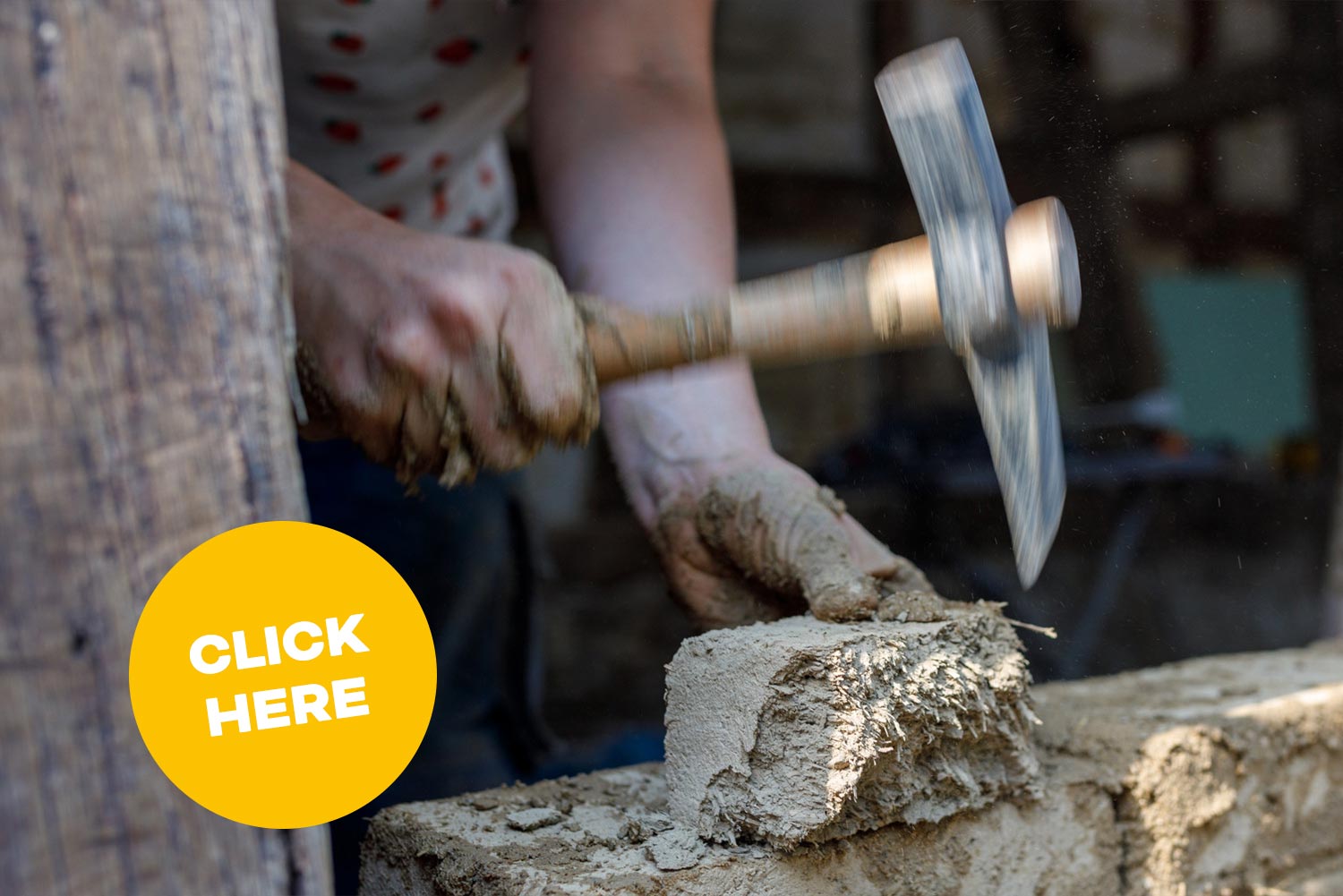
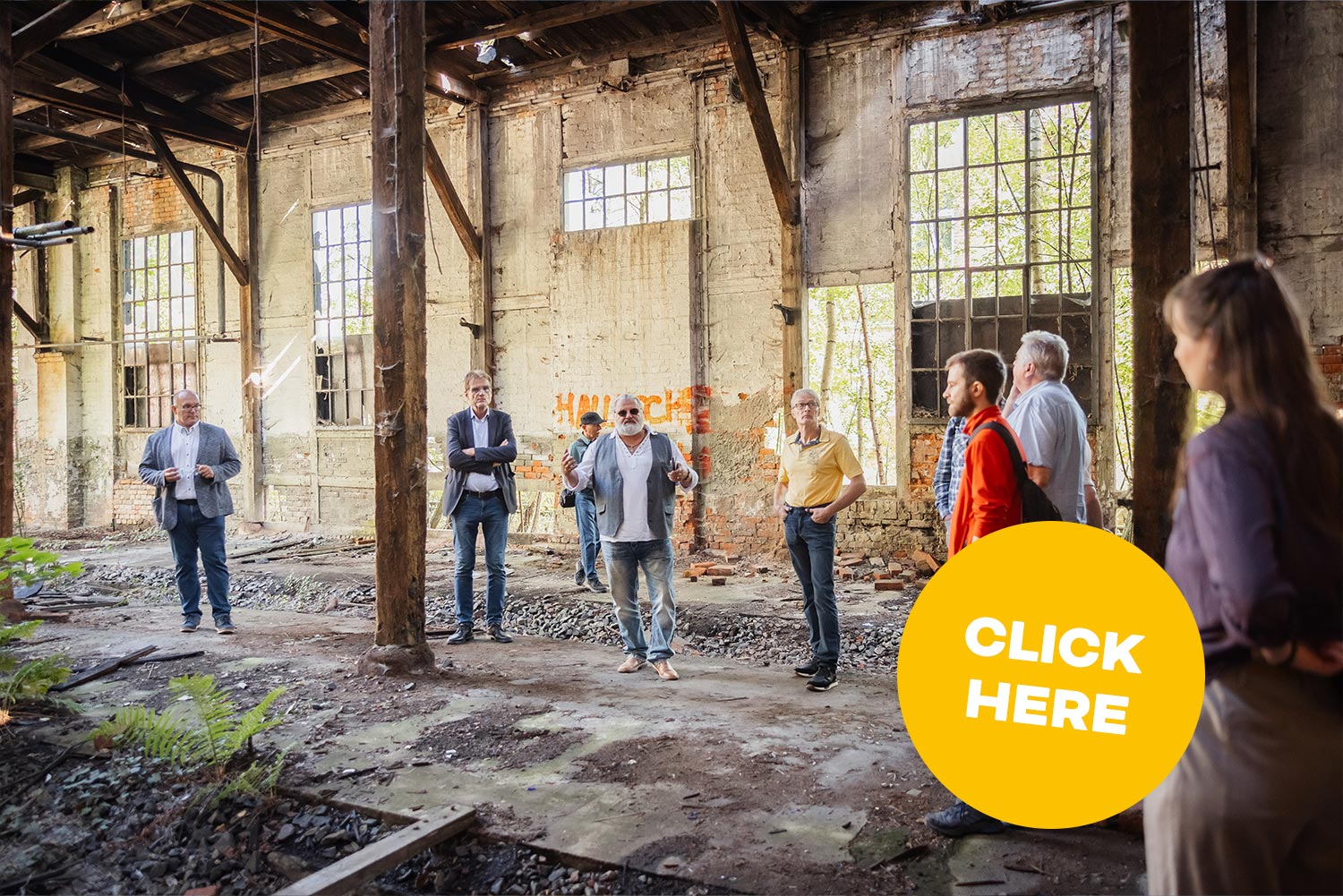
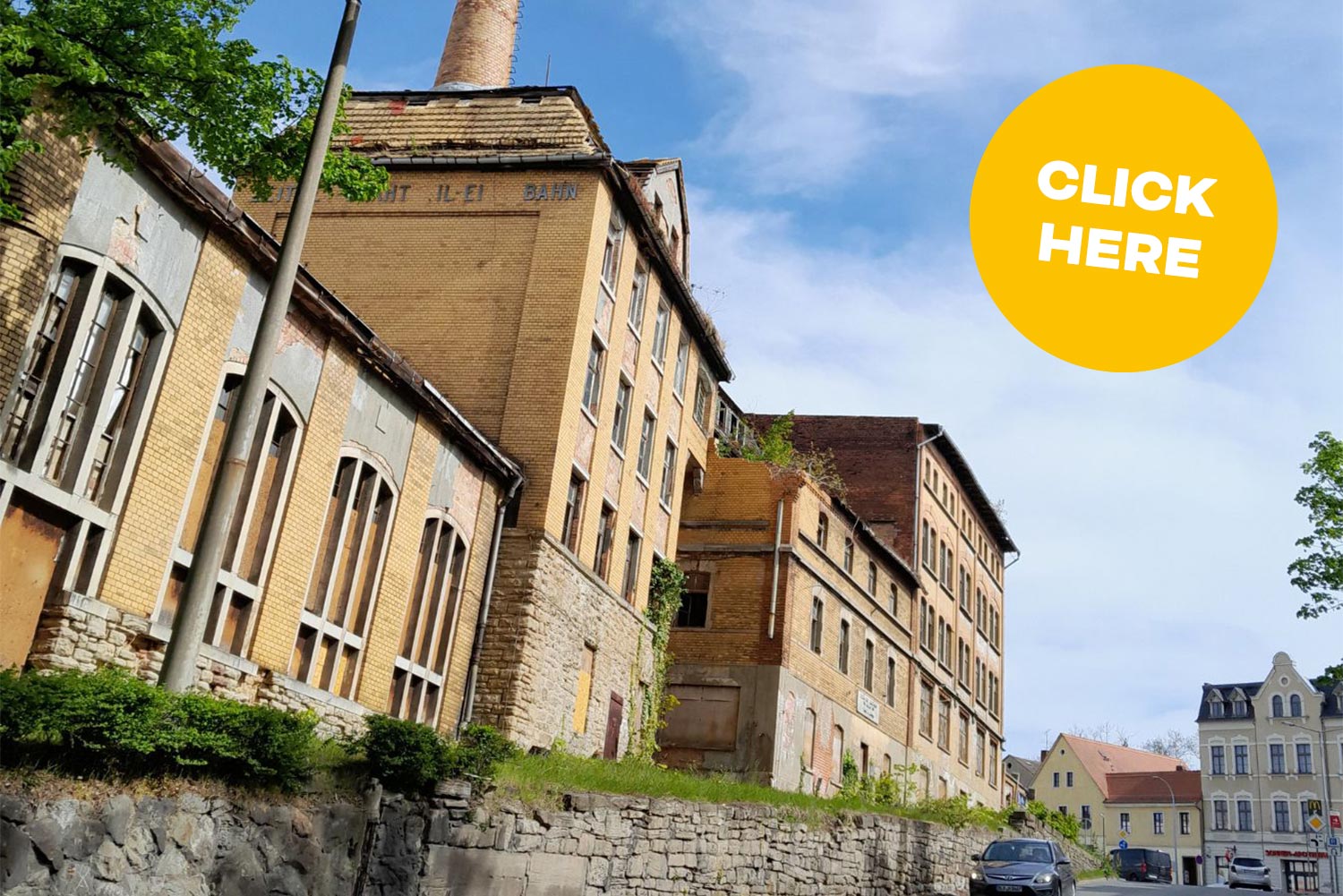
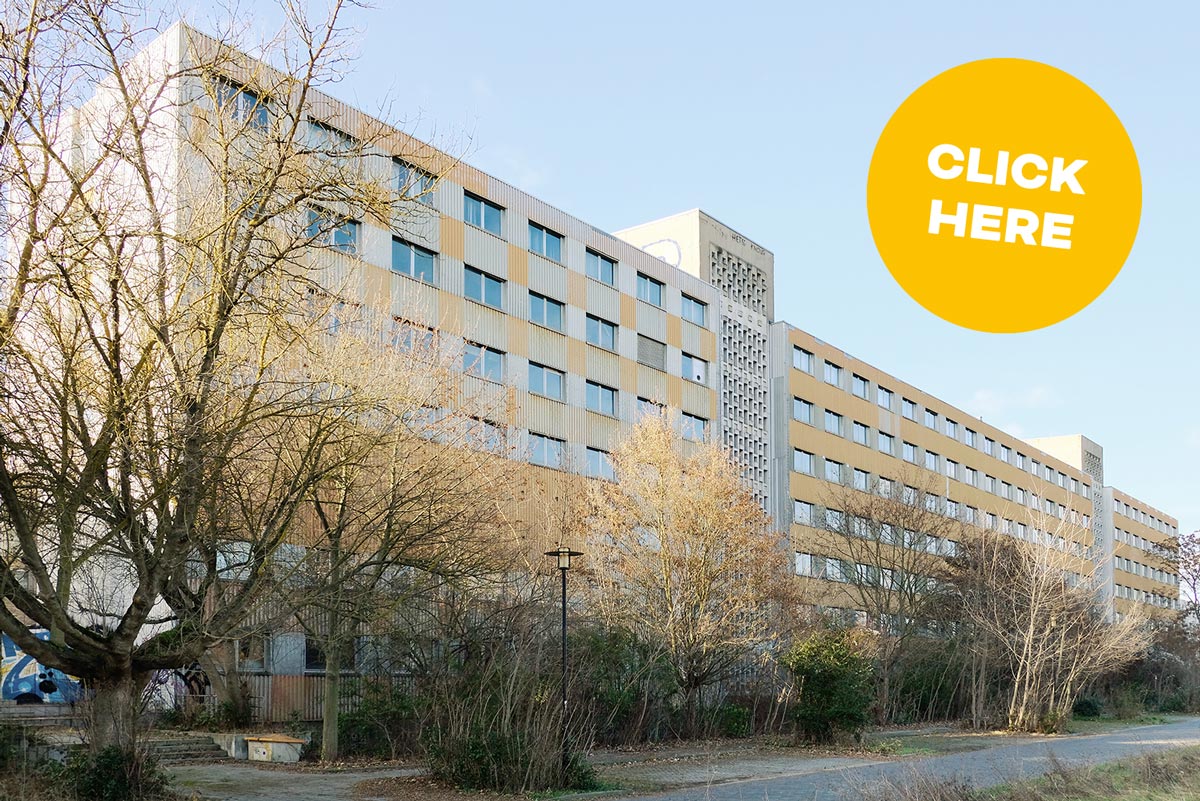
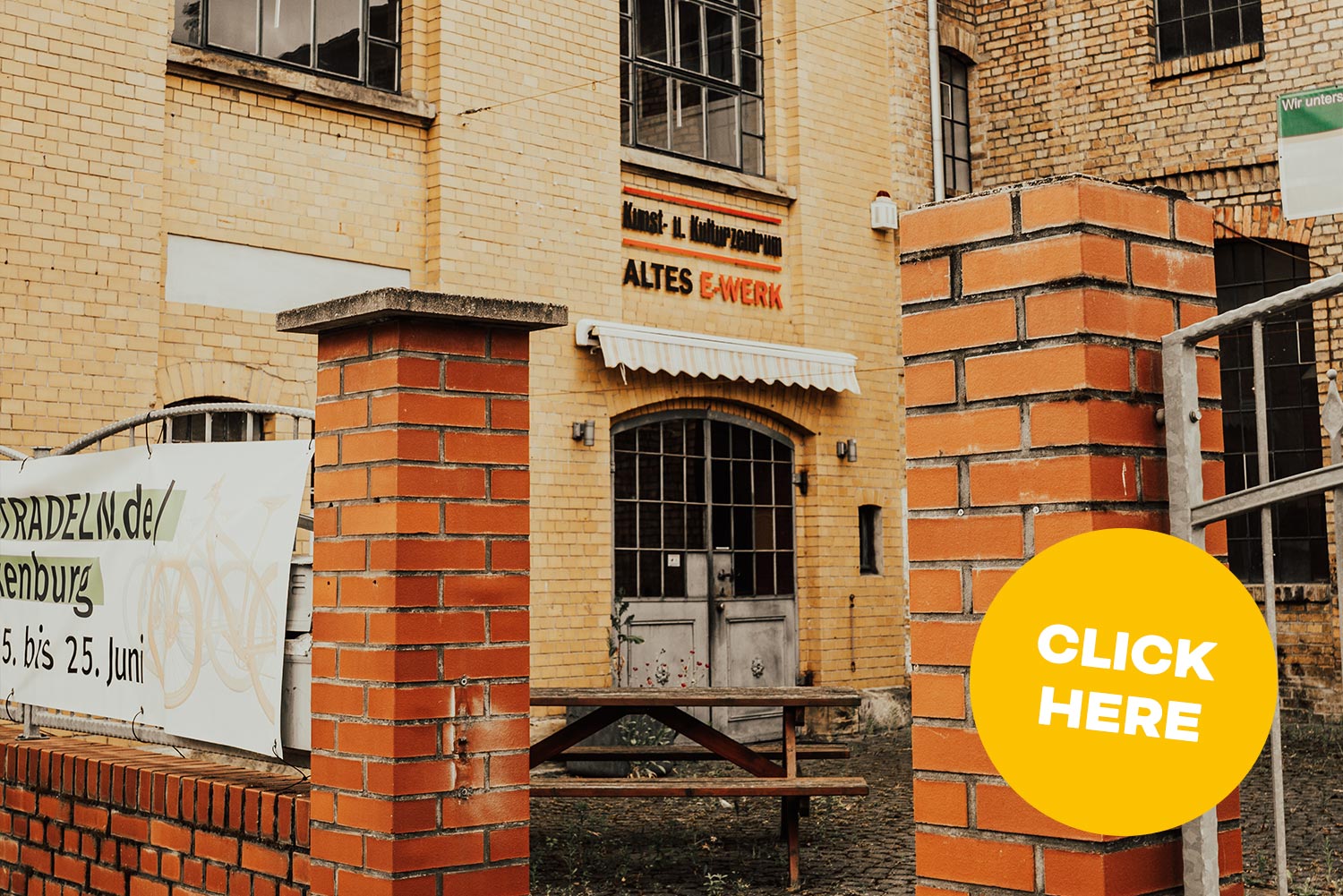
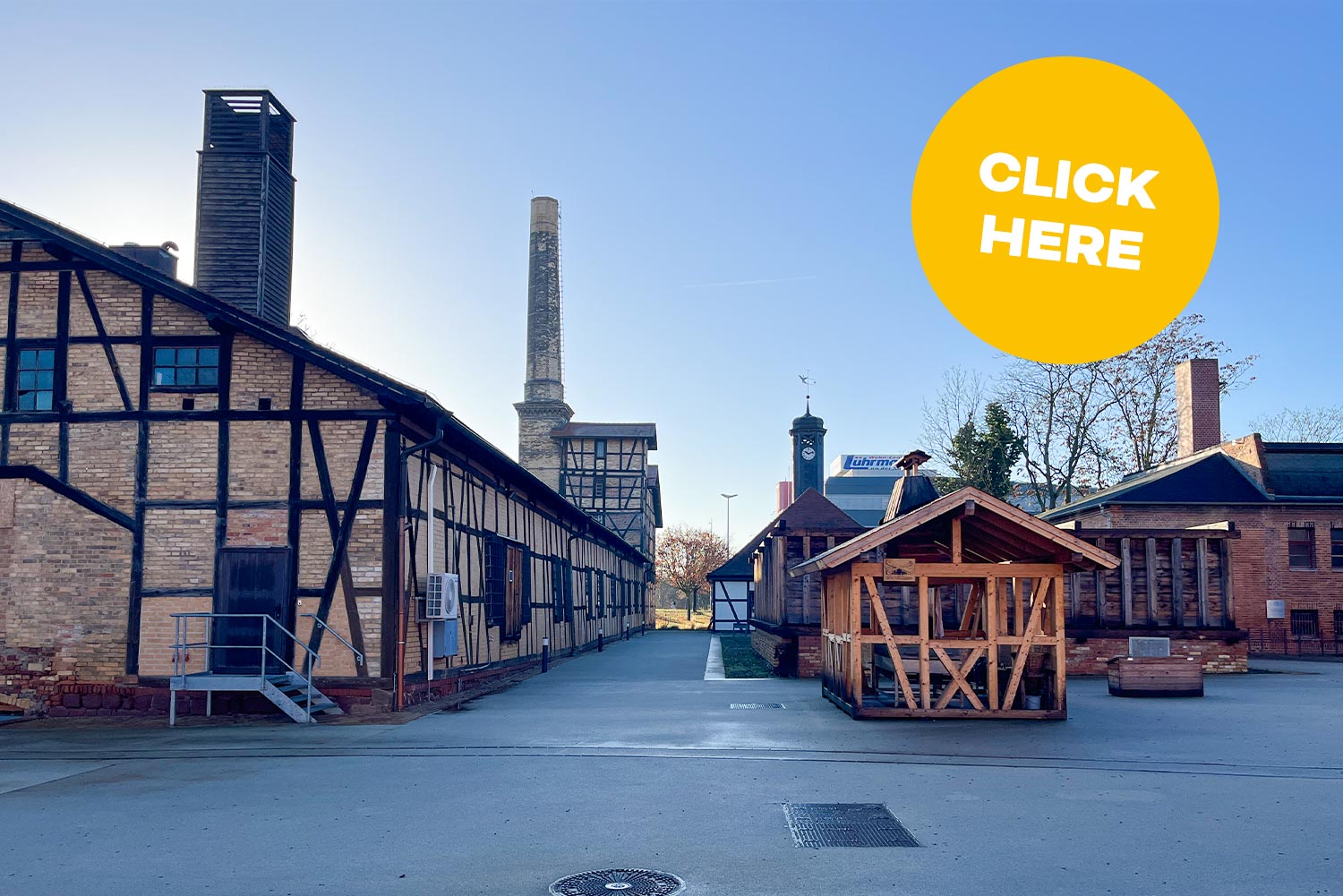
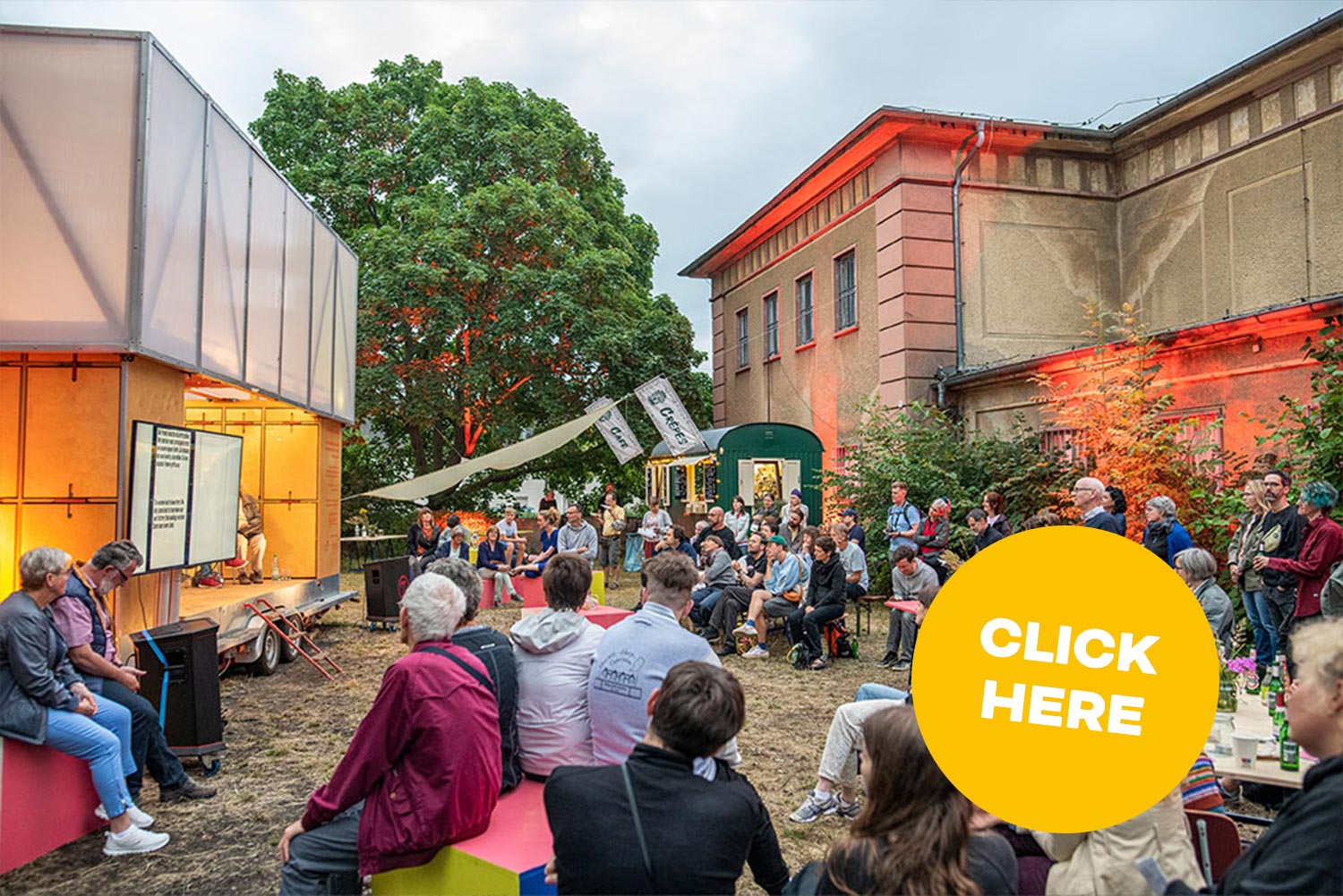
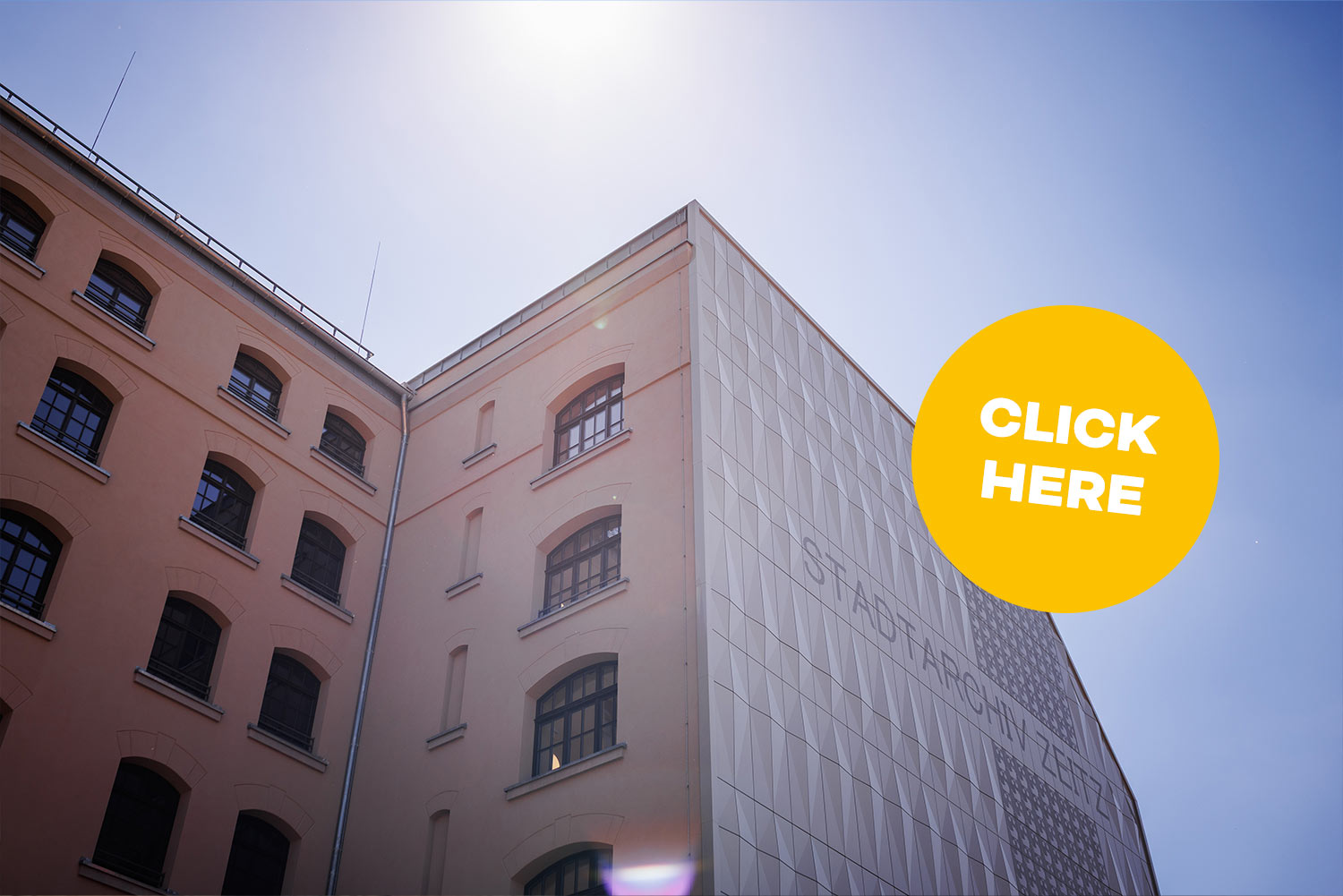
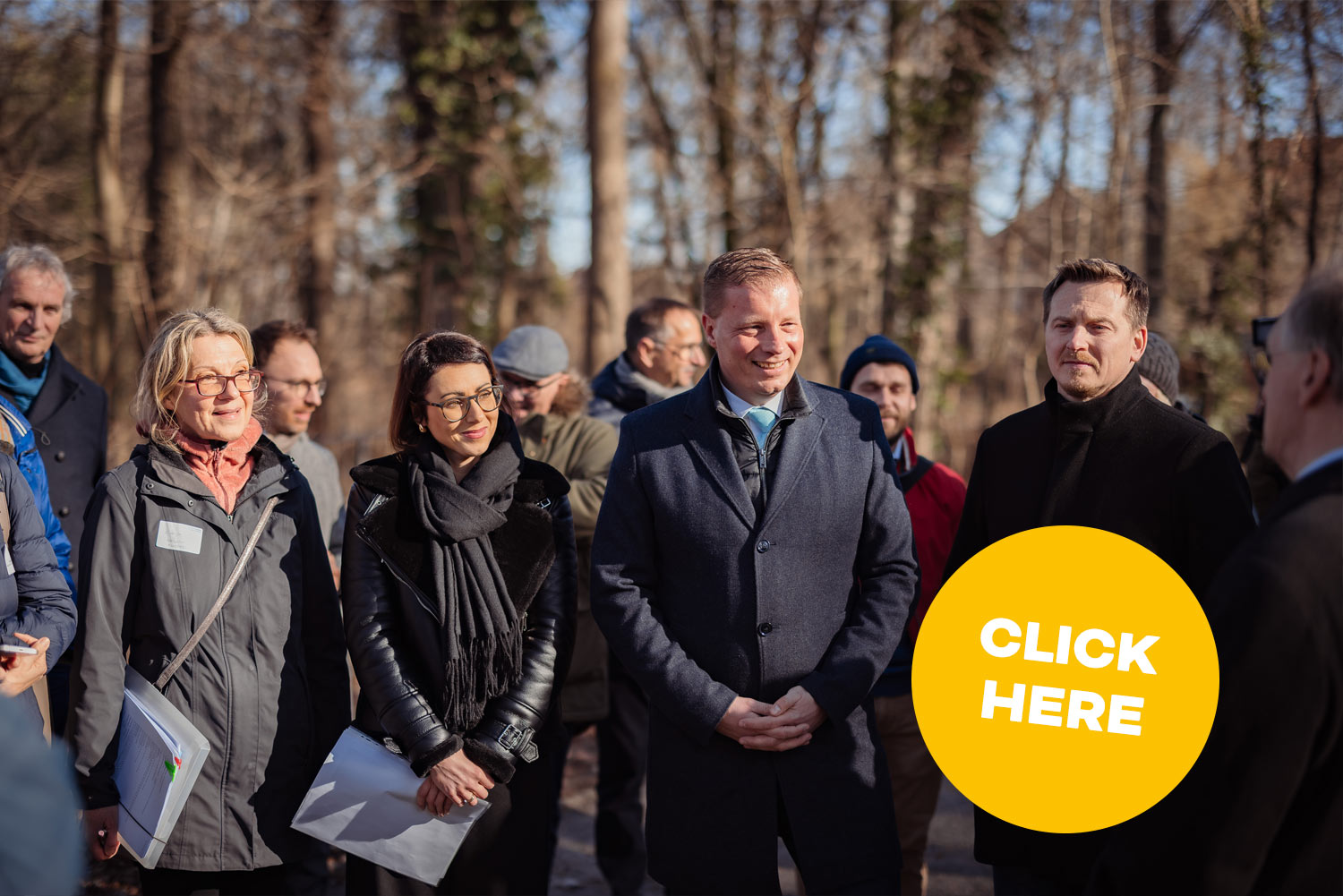
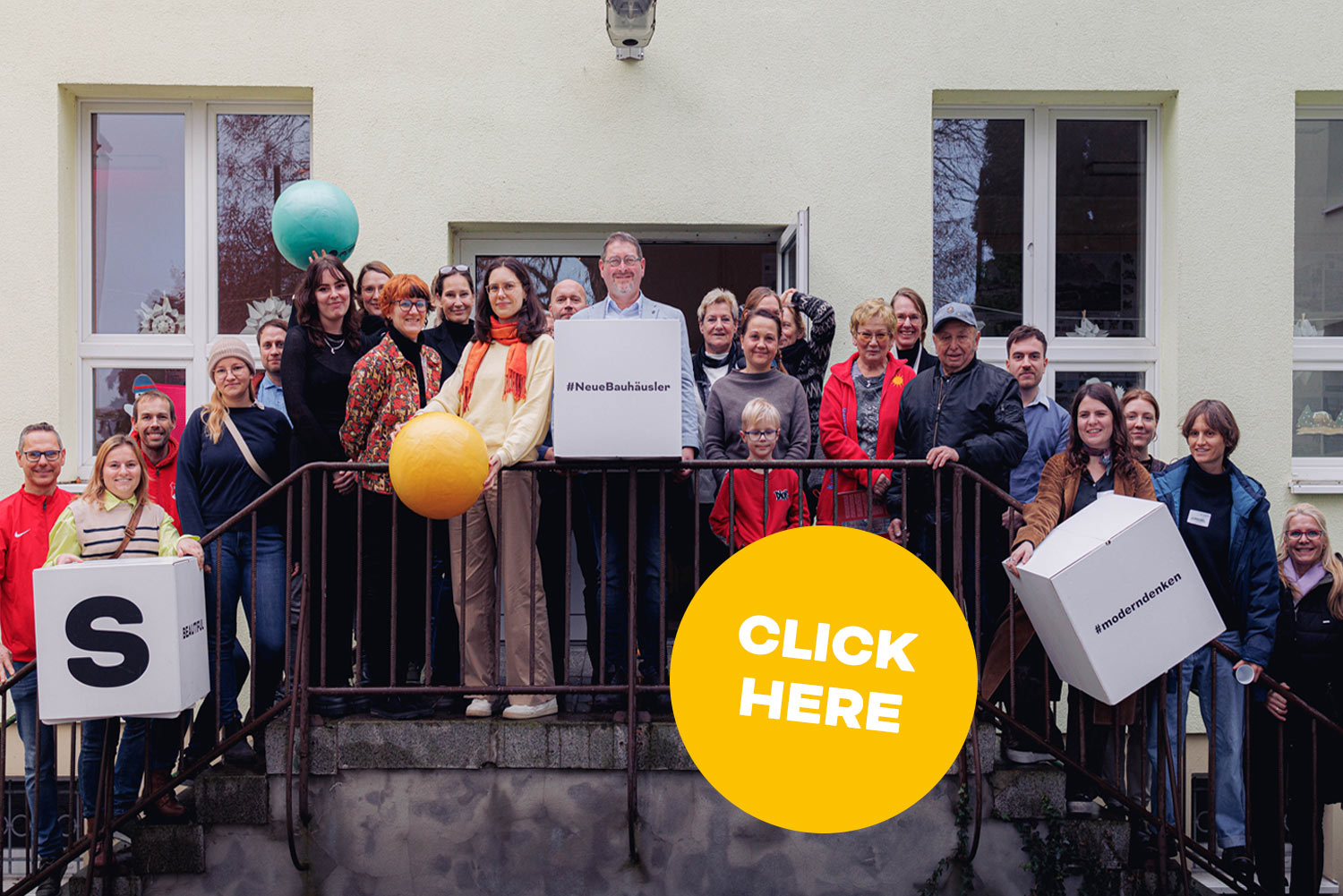
Project impressions

Criteria according to the NEB_Compass

Ambition II: Connecting
The aesthetic quality lies in the deliberate shaping of collective memory, fosters a sense of belonging, and brings cultural heritage to life. Sensory and emotional quality: The digitization of historical local and school chronicles offers a sensory experience of the region’s industrial history. They foster a sense of identification, encourage discovery, and make transformations emotionally accessible. Experience and Community: The emerging volunteer network creates spaces for encounter and exchange—both in person and online. It connects people from diverse backgrounds in a shared process of remembrance and strengthens the sense of belonging through active participation. Design and Cultural Values: The project actively incorporates regional characteristics, knowledge, and perspectives. The collaborative exploration of historical sources fosters new perspectives on familiar places and supports a lasting, grassroots culture of remembrance with aesthetic, social, and cultural impact.
Ambition I: Repurposing
Through digitization, multiple uses (data, texts, images), modular exhibition formats, and durable print products, the project is designed to conserve resources. At the same time, the adaptation of analog materials into new, digitally supported educational formats fosters awareness of local cultural heritage—both physical (archives, images, and the places associated with them) and conceptual (knowledge, narratives). This is a requirement for the future revitalization of the built environment.
Ambition II: Consolidate
The project fosters equal participation by specifically engaging people from diverse backgrounds, age groups, and skill levels, and actively involving them. Participation takes place through workshops, networking meetings, and the use of the digital platform. Inclusion, mutual recognition, and empowerment are the guiding principles of the project’s design. The volunteer network is deliberately designed to be physically, cognitively, and socially accessible and to break down barriers for underrepresented groups. In this way, it creates equal opportunities for participation for all interested individuals, regardless of background, age, gender, or other characteristics. Through easy-to-access training sessions and the opportunity for participants to collaboratively explore the photographs, the diversity of skills is valued and promoted. The project emphasizes sharing resources and creating long-term structures for open and equal exchange. By bringing together professional and civic knowledge, the initiative fosters new forms of community that strengthen solidarity and mutual care. The digital platform also increases accessibility for people with disabilities or those from remote regions and brings different perspectives to view. In this way, the project not only contributes to the local culture of remembrance but also fosters inclusive, community-based coexistence—a model that breaks down social barriers and establishes sustainable social values.
Ambition II: Co-creating
Participation in the project takes place on several levels and is, above all, closely linked to the development of the volunteer network. Even in the early stages, a meeting initiated by local authorities sought to foster dialogue with stakeholders in local history and regional studies. Throughout the project, participants are regularly informed and invited to contribute their perspectives—both in cataloging the material and in planning and organizing joint events. The volunteers are not merely participants; they actively help shape the project. In this way, their knowledge and experience are directly incorporated into the cataloging and digitization of materials such as photographs. Specific working methods are developed in close consultation with them, in part to further strengthen existing skills. Through skills training opportunities and close ties to the local history research network, the groundwork is laid to ensure that the network remains active even beyond the project’s duration. Participants are thus empowered to initiate or continue their own projects—with professional guidance, but increasingly on their own initiative.
Ambition II: Working Across Levels
For the project, engagement on multiple levels means consciously linking local activities with regional and supraregional partner structures to strengthen impact, visibility, and sustainability. The project has a direct impact on cultural memory and social identity in the Burgenlandkreis. It strengthens locally rooted engagement through training, digital infrastructure, and the establishment of a volunteer network that preserves and makes local knowledge accessible. Close collaboration between civil society actors, regional institutions (e.g., the Deuben Mining Museum), and organizations (such as the Landesheimatbund Sachsen-Anhalt) fosters sustainable cooperative relationships. The project partner DOKMitt e.V. also contributes scientific expertise with regional ties. The formats used—such as citizen science-based collection cataloging—are methodologically transferable and can be adapted for use in other regions or subject areas. In this way, the project contributes to the further development of civic historical work beyond the region.
Ambition III: ‘beyond’ disciplinary boundaries
The project takes a transdisciplinary approach by combining academic, civil society, and technical perspectives toward a common goal: the preservation and securing of industrial cultural heritage in the Burgenlandkreis. It brings together methods and perspectives from various fields, including history, archival work, digitization, education, and civic engagement. These diverse approaches form the basis for a practical way to catalog and share sources of regional history. The focus is on linking historical research with social science perspectives—such as the role of memory, collective identity, and local knowledge. As a result, cataloging local chronicles is understood not merely as a technical or archival task, but as an active contribution to the examination of regional transformation processes. The involvement of volunteer researchers is central to the project. Through training sessions, they are equipped with the skills needed for citizen science cataloging processes and actively help shape them. Their experiential knowledge is systematically incorporated—and thus made productive for academia, the public, and future research.
NEB-Kompass Heimatforschernetz Burgenlandkreis
This is how it works:
NEB-Compass (PDF)

Durchführung

Verwendete Tools mit Darstellungen des Arbeitsprozesses

Weitere Projekte